

COLD WAR LEGACY
Sons of showdowns with Soviets follow in fathers' footsteps
Advertisement
Read this article for free:
or
Already have an account? Log in here »
To continue reading, please subscribe:

Digital Subscription
One year of digital access for only $205*
- Enjoy unlimited reading on winnipegfreepress.com
- Read the E-Edition, our digital replica newspaper
- Access News Break, our award-winning app
- Play interactive puzzles
*First annual payment billed as $205.00 + GST for one year. This annual subscription will automatically renew at $233.00 + GST every 52 weeks (10% off the regular annual price of $259.35). Offer available to new and qualified returning subscribers only. Cancel any time.
To continue reading, please subscribe:
Add Free Press access to your Brandon Sun subscription for only an additional
$1 for the first 4 weeks*
- Enjoy unlimited reading on winnipegfreepress.com
- Read the E-Edition, our digital replica newspaper
- Access News Break, our award-winning app
- Play interactive puzzles
*Your next Brandon Sun subscription payment will increase by $1.00 and you will be charged $17.95 plus GST for four weeks. After four weeks, your payment will increase to $24.95 plus GST every four weeks.
Read unlimited articles for free today:
or
Already have an account? Log in here »
Hey there, time traveller!
This article was published 16/02/2014 (4590 days ago), so information in it may no longer be current.
SOCHI, Russia — They are the sons of hockey’s Cold War era and they’re following in their fathers’ footsteps in looking to beat the Russians.
Zach Parise, Ray Shero, and Ryan Suter are U.S. Olympic hockey members whose fathers played significant roles in shaping and stoking the fierce rivalries between Russia, the United States and Canada.
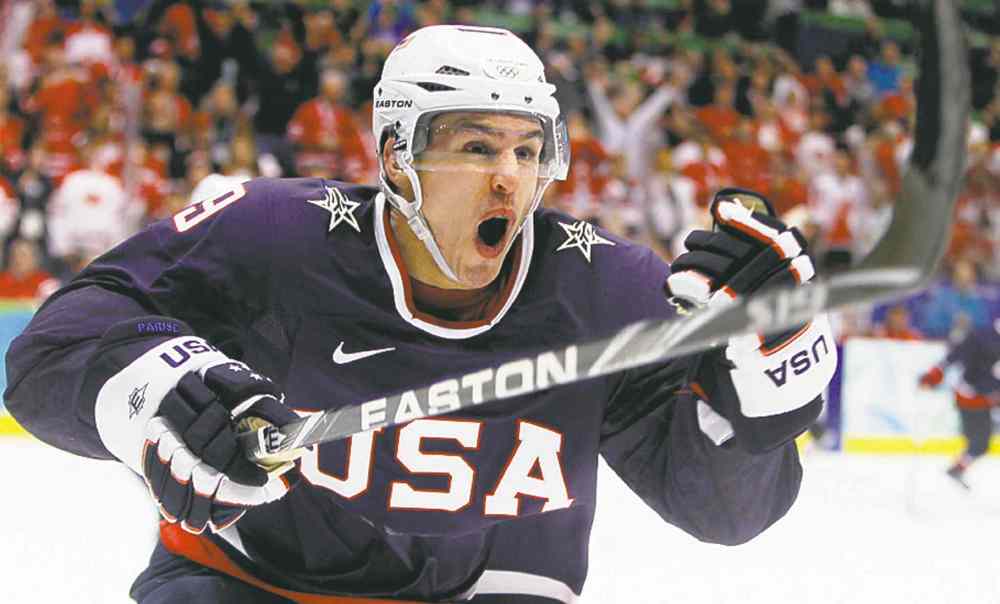
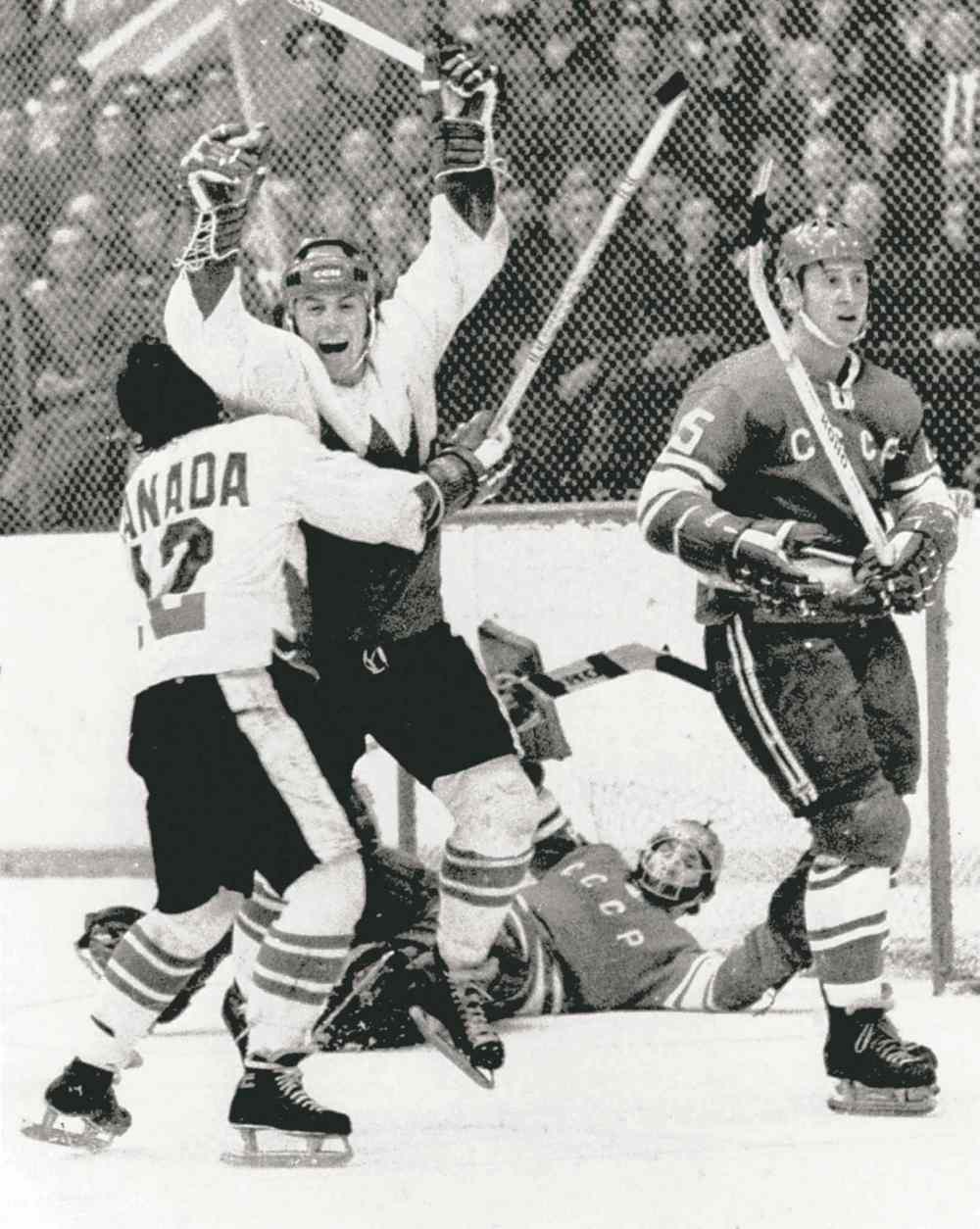
Parise, the U.S. team captain and a forward for the Minnesota Wild, is the son of former Minnesota North Stars forward J.P. Parise, who played for Team Canada in the first Super Series against the Soviet Union in 1972.
“My dad’s playing against the Russians in 1972 was the highlight of his career,” the younger Parise said. “It was a lesson for us; they played so differently. The Canadians expected to beat them and really saw the talent the Russians had. It really changed ice hockey in North America, seeing how they played.”
In that series, the Soviet Union and Canada agreed to play eight games split between the two countries. Canadians felt the series would be a rout because the country was fielding a proverbial NHL All-Star team.
Hall of Fame forwards such as Phil Esposito, Bobby Clarke, Yvan Cournoyer and goaltenders Ken Dryden and Tony Esposito were confident, too.
But the Russians easily won two of the first four games and tied another, a feat that shook Canada to its hockey core. Canada righted itself and went on to win the final and decisive game in the series, a dramatic 6-5 victory in Moscow.
Many Russians believe the turning point of the series happened in Game 6 when Clarke, a forward for the Philadelphia Flyers, severely damaged Valeri Kharlamov’s ankle with a vicious two-handed slash. Russia’s best player wasn’t the same after that.
Clarke, who had a choirboy’s face and assassin’s heart, has never expressed regret about the incident.
“I don’t know what I was thinking at all,” Clarke said on the NBC Sports Network’s 2012 documentary Cold War on Ice: Summit Series ’72. “It was an awful thing to do. It sure felt good.”
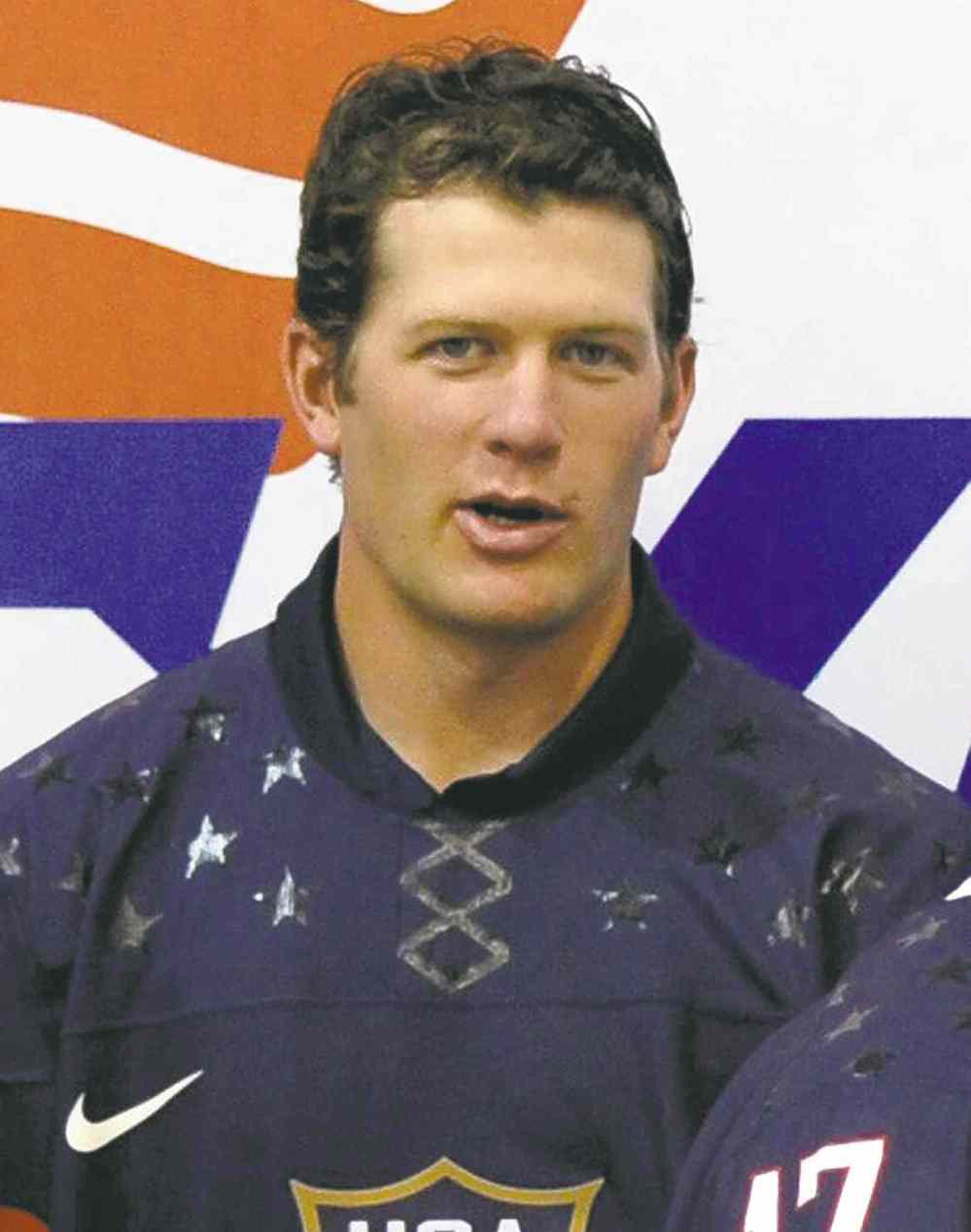
Clarke was coached by the late Fred Shero. His son, Ray Shero, is Team USA’s general manager in Sochi.
The elder Shero, who was inducted into the Hockey Hall of Fame last year, guided the Flyers to two Stanley Cups in the 1970s, largely using coaching and training techniques he adopted from Russian hockey.
“My father was a big fan of the Russian way of hockey,” said Shero, who’s also general manager of the Pittsburgh Penguins. “He studied Russian hockey and brought their techniques back to the National Hockey League even back in the 1960s.”
The elder Shero may have loved the Russian way but he didn’t show the Russians any love when his Flyers played the Red Army in an exhibition game in Philadelphia in 1976.
Shero’s “Broad Street Bullies” punished the Russians with merciless and sometimes illegal hits. After Flyers defenceman Ed Van Imp’s hip check left Russia hockey great Kharlamov in a heap, Red Army coach Konstantin Loktev pulled his team off the ice and retreated to the locker-room.
When told the Soviet Hockey Federation wouldn’t get paid unless it finished the game, the Red Army returned and took a 4-1 drubbing from the Flyers.

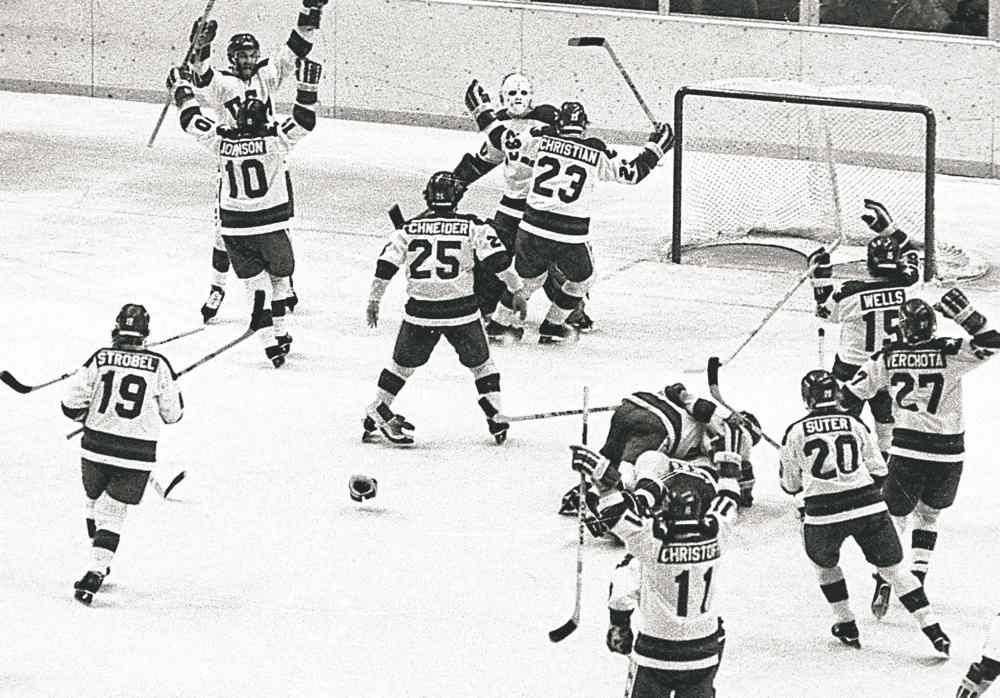
Ryan Suter, a U.S. defenceman who also plays for the Wild, is the son of Bob Suter, who was a defenceman on the 1980 U.S. Olympic team that upset a powerhouse Soviet Union team on the way to winning the gold medal at Lake Placid.
“I heard more through my friends and teachers telling me where they were when that happened,” Suter said of 1980. “My dad is a pretty quiet guy and doesn’t say too much about it, but it was maybe the greatest U.S. sports team ever.”
On the Russian side of the ice will be Viktor Tikhonov, a name well-known to U.S. and international hockey fans. The 25-year-old forward, who was raised in the San Francisco Bay Area, is the grandson of the coach of the Soviet Union team that lost to the U.S. in 1980. Russian fans, however, might recall the three gold medals the elder Tikhonov’s teams won.
— McClatchey News Service
Related Articles
Schussler deletes Putin selfie



Advertisement Advertise With Us
Advertisement Advertise With Us