A cross to bear
New book details how American religious radicals perverted Christianity
Advertisement
Read this article for free:
or
Already have an account? Log in here »
To continue reading, please subscribe:

Digital Subscription
One year of digital access for only $205*
- Enjoy unlimited reading on winnipegfreepress.com
- Read the E-Edition, our digital replica newspaper
- Access News Break, our award-winning app
- Play interactive puzzles
*First annual payment billed as $205.00 + GST for one year. This annual subscription will automatically renew at $233.00 + GST every 52 weeks (10% off the regular annual price of $259.35). Offer available to new and qualified returning subscribers only. Cancel any time.
To continue reading, please subscribe:
Add Free Press access to your Brandon Sun subscription for only an additional
$1 for the first 4 weeks*
- Enjoy unlimited reading on winnipegfreepress.com
- Read the E-Edition, our digital replica newspaper
- Access News Break, our award-winning app
- Play interactive puzzles
*Your next Brandon Sun subscription payment will increase by $1.00 and you will be charged $17.95 plus GST for four weeks. After four weeks, your payment will increase to $24.95 plus GST every four weeks.
Read unlimited articles for free today:
or
Already have an account? Log in here »
Hey there, time traveller!
This article was published 15/08/2015 (4013 days ago), so information in it may no longer be current.
To appreciate religion’s role in the sorry and bloody march towards a better civilization, readers need only be reminded of 12th century crusaders whose extremism precedes that of fanatical groups such as the Islamic State.
The vast majority of Muslims today lament how Islamic extremists misuse the word “jihad” — originally associated with a peaceful internal struggle to become a better believer — by attaching it to their murderous methods while trying to create a new caliphate in Syria and Iraq.
Now, an investigative researcher and award-winning teacher from New Jersey uses the same term in a clever title for his study of religious extremism in America following the Second World War that shows how Christianity was perverted, leaving a legacy of terrorism as lethal and terrifying as the kind orchestrated by decapitation-minded zealots in the Middle East.

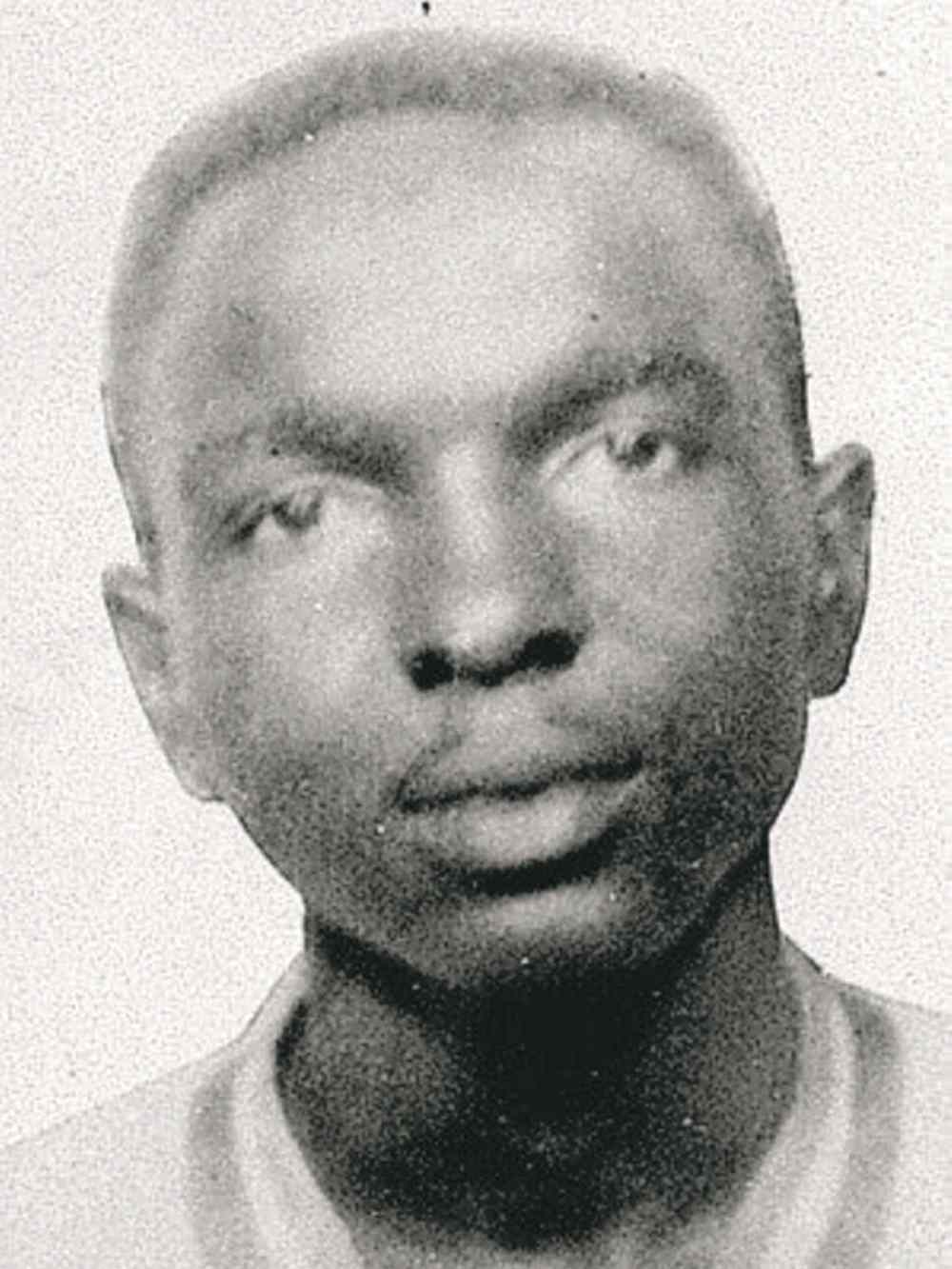
Stuart Wexler traces a decades-long strategy by radical Christians targeting Jews and African-Americans in pursuit of a frightening goal, “an apocalyptic race war inside the United States,” and affirms Canadian participation in producing inflammatory written works which heavily influenced white supremacists.
He’s the co-author of The Awful Grace of God (2012), which exposed the webs of extremist complicity surrounding Martin Luther King Jr.’s assassination and became the impetus for America’s Secret Jihad.
Using previously unknown interviews and broad documentation, Wexler’s latest fact-filled chronicle exposes the blatant and equally troubling shadowy roles played by religious radicals during the nation’s ugly racial struggles.
He identifies a dizzying array of Christian sects and leaders who “distorted Jesus Christ’s message long before Muslim extremists hijacked Muhammad’s teachings” and reveals how a seemingly benign political organization like the National States Rights Party (NSRP) formed in 1958 was in fact led by religious extremists who were eventually convicted of racially motivated crimes.
Tracing the influence of Wesley Swift, who formed the Church of Jesus Christ Christian in 1946, Wexler discloses how this church served as the template for a radical theology called “Christian Identity” that articulated Jews were the offspring of Satan and guilty of manipulating non-whites into a conspiracy against white Christians, even calling the 1960s civil rights movement “nothing more than a Jewish-Communist plot to advance a Satanic agenda.”
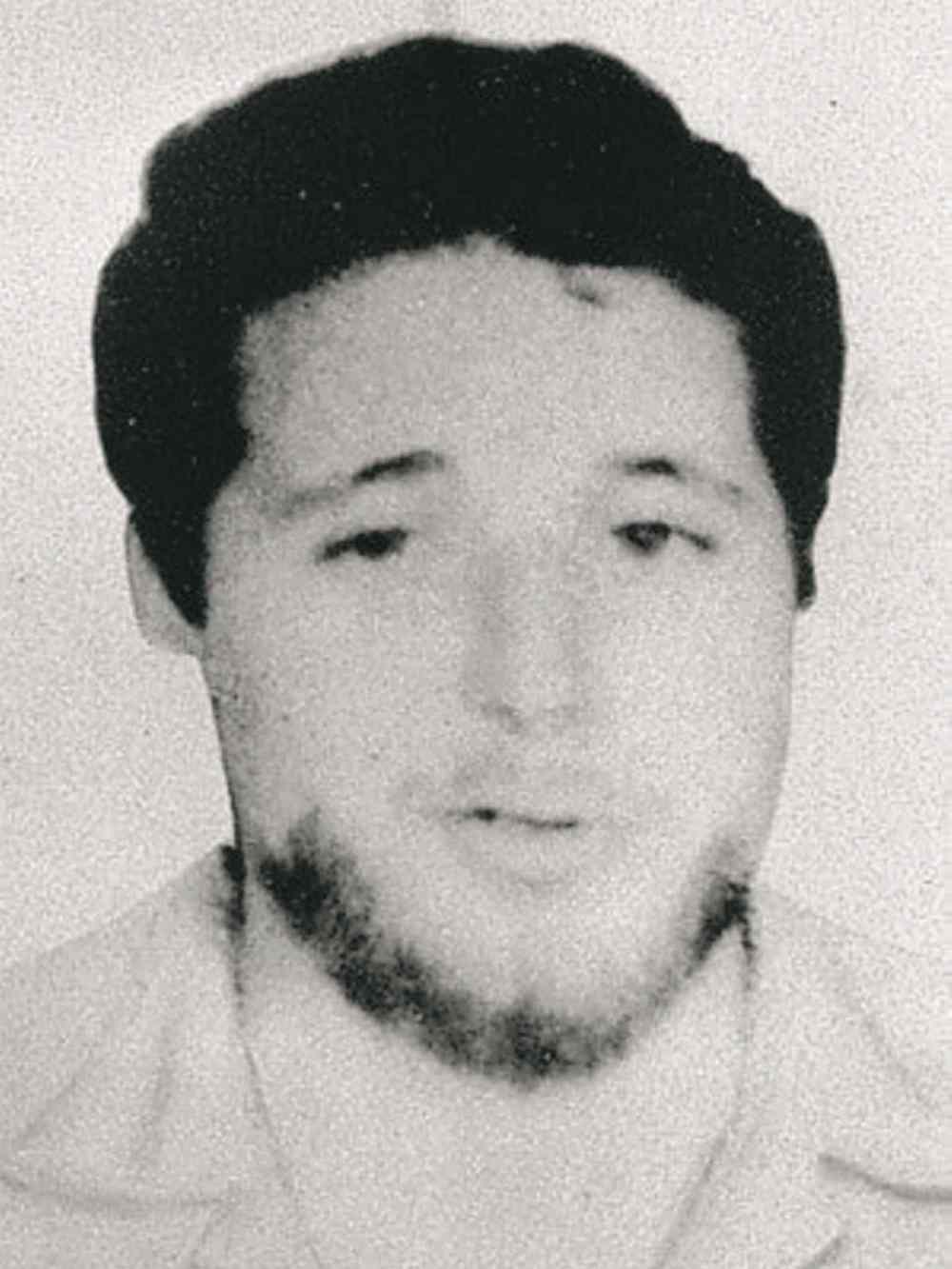
Disciples such as J.B. Stoner, who chaired the NSRP, is quoted in one of the party’s newsletters as saying: “Jew-devils have no place in a white Christian nation,” and, “The Negro is actually a higher form of gorilla.” He was one of the lawyers who defended James Earl Ray, the man convicted of King’s 1968 murder.
Wexler asserts: “There should no longer be any question that Christianity can and has accommodated domestic terrorism inside the United States,” adding President Barack Obama has always argued the war on terrorism should be a war on extremism within all faiths.
His research supports the FBI’s contention the Ku Klux Klan wasn’t just a group of secular, racist thugs, but a convenient “false front” for clan members who became “the most zealous, if often covert, proponents of Christian Identity.”
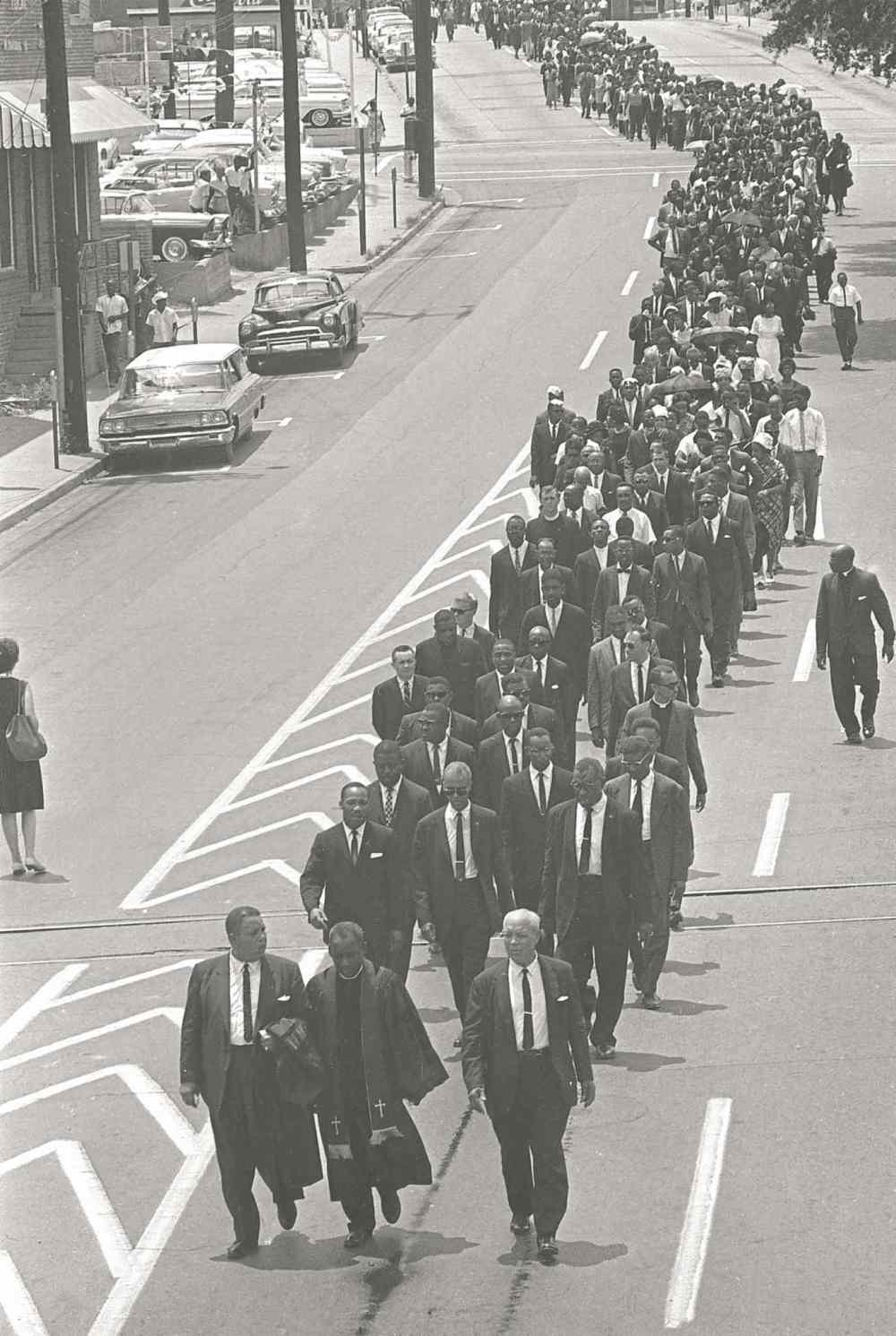
Citing a string of church bombings — such as the 1963 blast in Birmingham, Ala., that killed four young parishioners and alerted the Kennedy and Johnson administrations to religious fanaticism — Wexler reminds readers the catastrophic terrorist attack of Sept. 11, 2001, attributed to Muslims shouldn’t eclipse the fact Christian terrorists came very close to igniting full-blown civil unrest.
Only the calming efforts of civil rights leaders and the controversial informant-based tactics of the FBI prevented extremists from realizing their long-desired racially driven war.
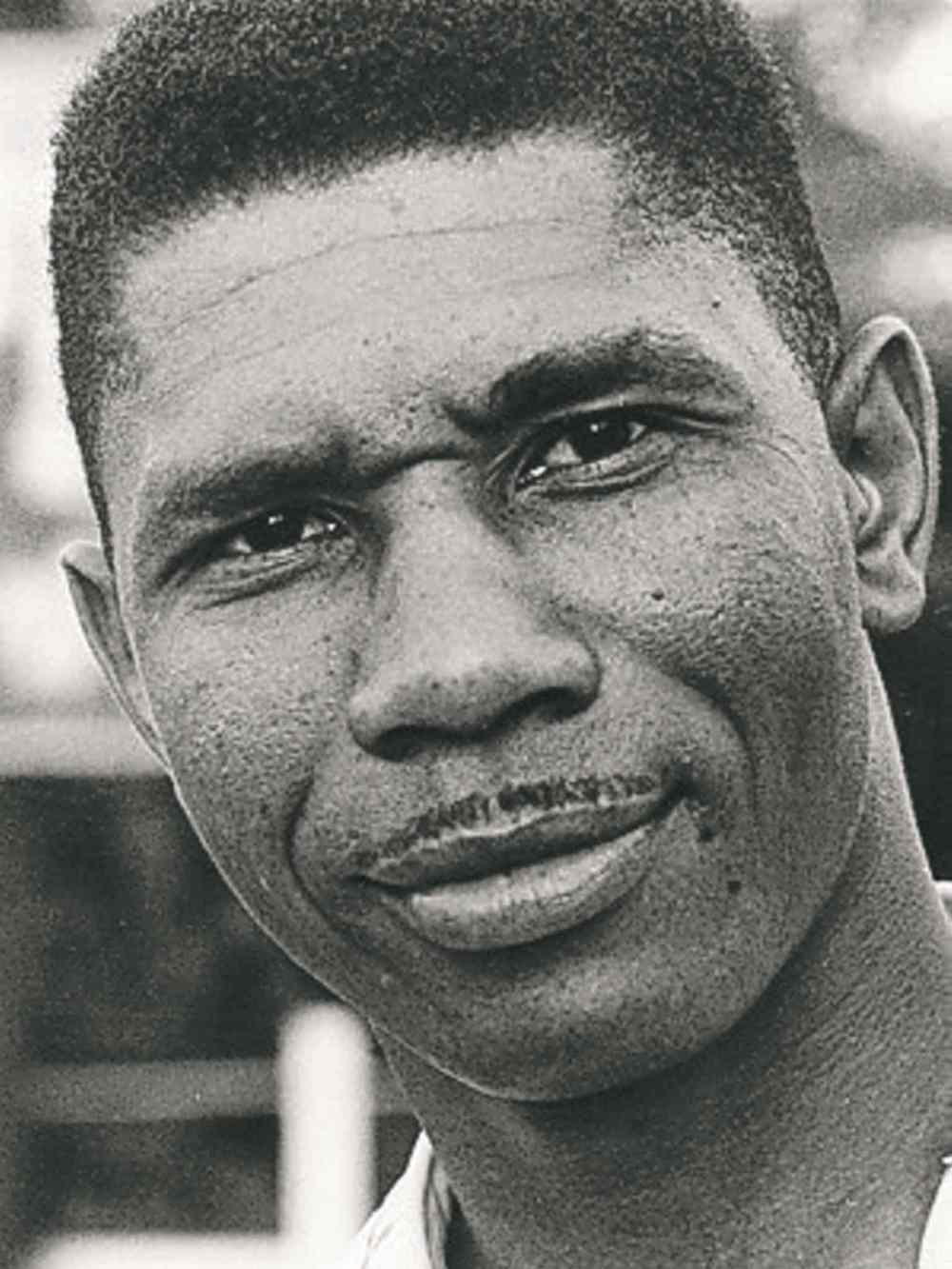
Detailing the civil rights movement’s long and dangerous trek through Mississippi, Wexler connects Christian Identity religion to the 1962 integration riots and the gruesome Neshoba County murders of 1964 featured in the Academy Award-winning movie Mississippi Burning.
He also links the deaths of several pro-civil rights activists, such as Medgar Evers, to extremists who may not have pulled the triggers of murder weapons, but who likely had tactical and financial roles in the assassinations.
In the final chapter, Wexler criticizes law enforcement’s eagerness to equate terrorism only with Islam, arguing this approach ignores the likelihood of homegrown terrorists emulating Timothy McVeigh (of Oklahoma City bombing infamy).
America’s Secret Jihad comes replete with some unnecessary hyperbole, such as an appendix featuring photographs and notes on influential extremists and radical groups.
Yet it’s a contemplative book meant to promote self-reflection amongst Christians and, as Wexler hopes, provide insight into why ordinary Muslims insist Islam has been “distorted by extremists.”
Joseph Hnatiuk is a retired teacher in Winnipeg who has yet to sit in a comfortable pew.