New era of First Nations civil rights ushered in 50 years ago in Kenora
Advertisement
Read this article for free:
or
Already have an account? Log in here »
To continue reading, please subscribe:
Digital Subscription
One year of digital access for only $1.44 a week*
- Enjoy unlimited reading on winnipegfreepress.com
- Read the E-Edition, our digital replica newspaper
- Access News Break, our award-winning app
- Play interactive puzzles
*Billed as $5.77 plus GST every four weeks. After 52 weeks, price increases to the regular rate of $19.95 plus GST every four weeks. Offer available to new and qualified returning subscribers only. Cancel any time.
To continue reading, please subscribe:
Add Free Press access to your Brandon Sun subscription for only an additional
$1 for the first 4 weeks*
- Enjoy unlimited reading on winnipegfreepress.com
- Read the E-Edition, our digital replica newspaper
- Access News Break, our award-winning app
- Play interactive puzzles
*Your next Brandon Sun subscription payment will increase by $1.00 and you will be charged $17.95 plus GST for four weeks. After four weeks, your payment will increase to $24.95 plus GST every four weeks.
Read unlimited articles for free today:
or
Already have an account? Log in here »
Hey there, time traveller!
This article was published 21/11/2015 (3992 days ago), so information in it may no longer be current.
On a cold winter day in 1965, there were fears of race riots in Kenora. Hundreds of First Nations people were expected to march in protest against discrimination and poverty.
Pundits speculated the northwestern Ontario lakeside rail town might go down in history as Canada’s Selma or Montgomery, Ala. at a time when civil-rights riots were boiling over in the Old South. One local organizer was even compared to American civil rights leader Martin Luther King Jr., who was then heading marches in Mississippi.
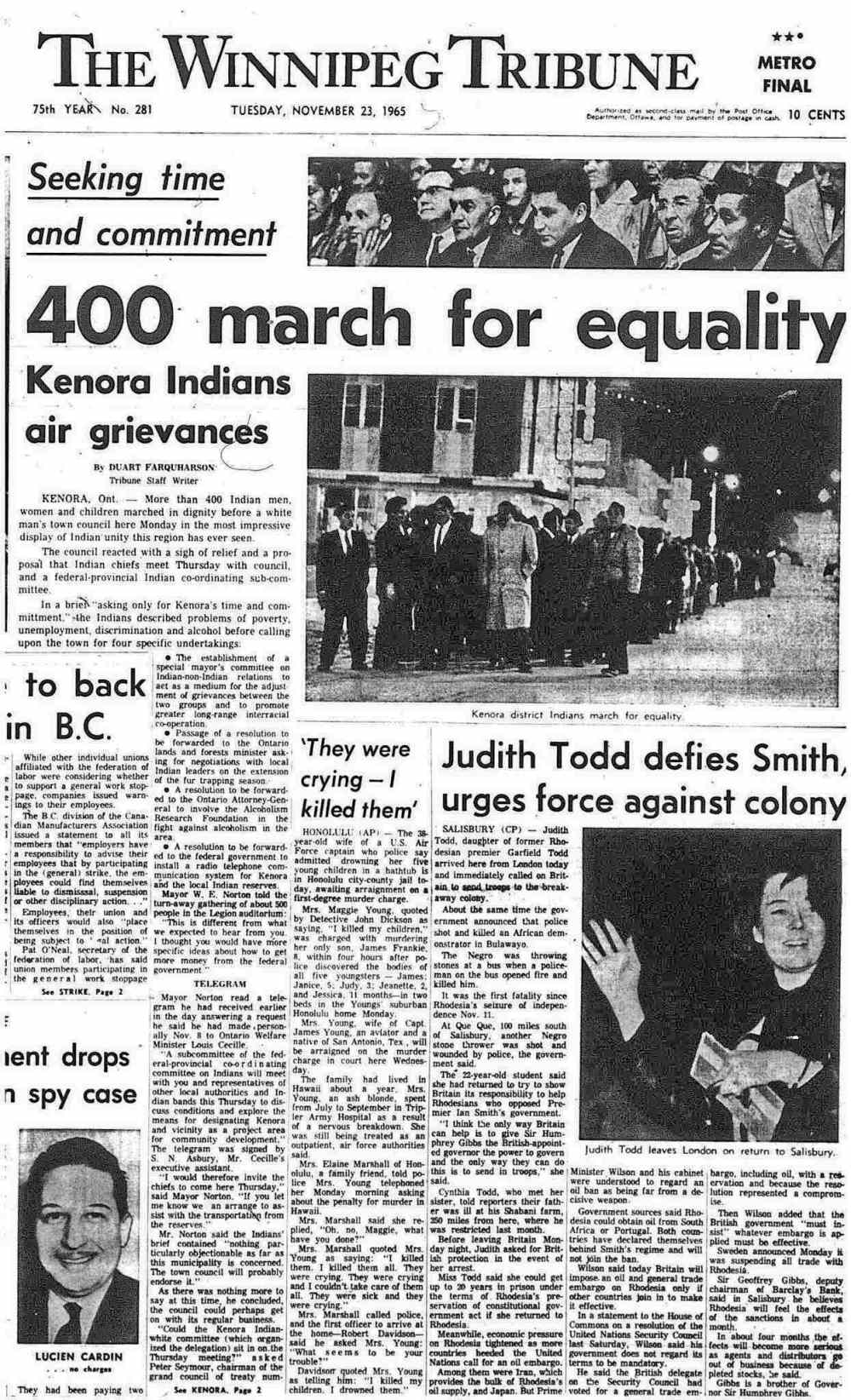
Four hundred people from the First Nations of Whitefish Bay, Onigaming, Grassy Narrows, White Dog, Shoal Lake and Eagle Lake bused to downtown Kenora, 50 years ago today. They marched a kilometre or more from Knox United Church to the local Legion hall.
But they didn’t put Kenora on the map as Canada’s Selma, which was where Alabama state troopers turned on protesters earlier that year in an attack now known as Bloody Sunday. They put the town on the Canada civil rights map instead, sitting down with the local mayor and council and winning an agenda for incremental change.
The march itself had no placards, no megaphones, no drums and no singing. Those men, women and children walked silently… “in dignity, before a white man’s town council here in the most impressive display of Indian unity this region has ever seen,” as the Winnipeg Tribune put it in front-page coverage.
Today, the descendants of the Kenora marchers will retrace the route to mark the 50th anniversary of the Kenora Indian March and mark the seminal moment with food and speeches.
National Chief Perry Bellegarde, with the Assembly of First Nations in Ottawa, issued a statement Friday calling the march 50 years ago the beginning of the road to reconciliation.
“The march is considered a key moment in starting the First Nations civil rights movement in Canada,” Bellegarde said.
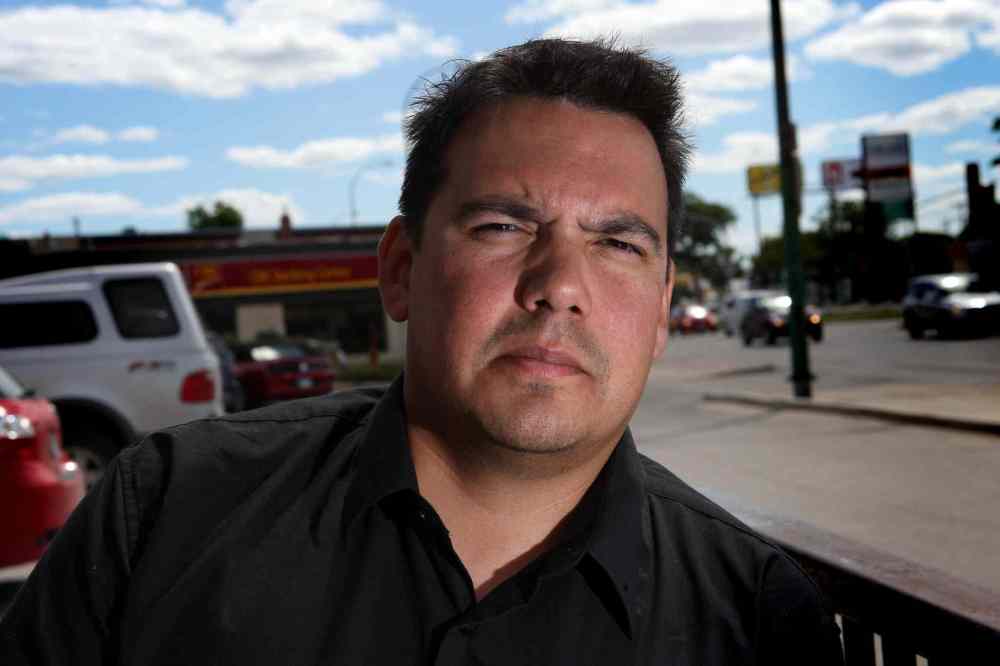
Wab Kinew, associate vice-president, indigenous affairs at the University of Winnipeg, said Kenora drew attention to indigenous issues just as other battles for equality were playing out.
“People have pointed to this as one of the first major actions in the Canadian civil rights movement,” he said. “It came at a time when indigenous people were standing up and when African Canadians and women were demanding equality, too.”
Norman Zlotkin, a professor at the University of Saskatchewan College of Law, was a university student in Toronto in 1965.
“In many ways, it was an event that helped initiate the rebirth of the Indian movement, that was the term in the 1970s. It was a time of a lot of civil rights action in the United States about voter registration, about racism and here we had in Kenora, Ontario an anti-racist march,” Zlotkin said.
“I was living in Toronto and here we heard about this march and that Canada had its own Alabama and it was in northwestern Ontario.”
Ottawa responded with hearings and meetings with chiefs across Canada, mostly in an effort to put the genie back in the bottle. The federal government hoped to shut down protests, but it was too late, said Zlotkin, who went on to law school and ended up with a long career fighting for indigenous rights.
The commemoration in Kenora will be videotaped and eventually taught in First Nations classrooms in and around Kenora and eastern Manitoba.
Kinew has more insight than most into the events. His uncle, Fred Kelly Sr., was a chief organizer of the march.
“To me, he paved the way for tons of what has happened since. You look at how far we’ve come in 50 years and it tells you how important 1965 was,” Kinew said.
Kids were still being taken to residential schools, and on average one indigenous person a week was found dead somewhere on a Kenora street. There was open, random violence against indigenous people on the streets. Indigenous people weren’t allowed in the same restaurants or bars non-indigenous people frequented.
“You contrast that with today,” Kinew said.
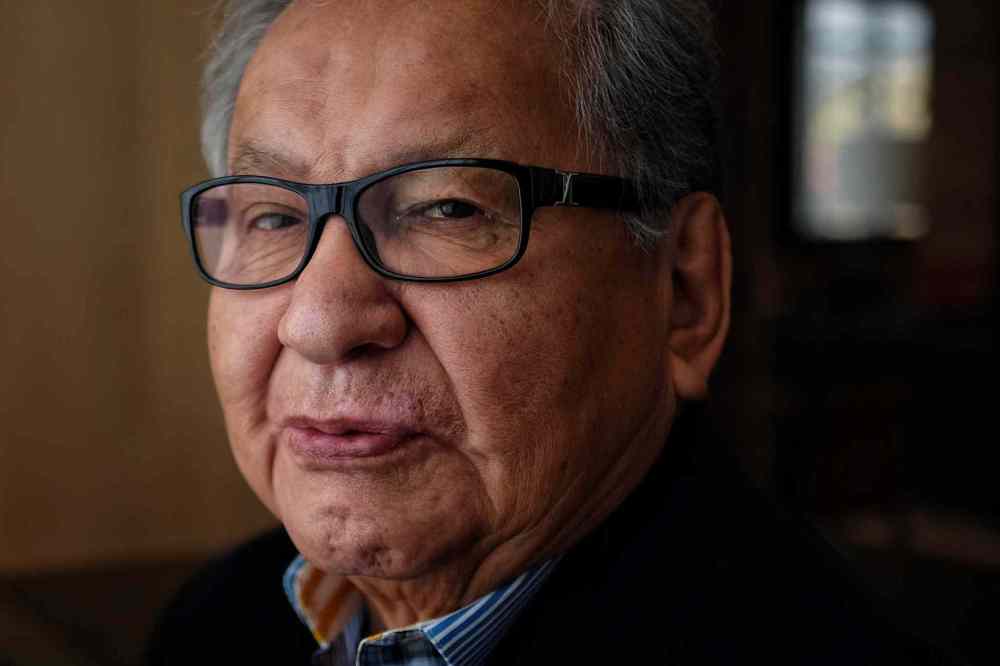
Kelly, the man pundits compared to Martin Luther King, chuckled at the media hyperbole of the era. He said the commemoration is a way to honour the people who marched. Had there been no public event, he would have marked it privately at home.
“I’m going there in the memory of these people,” he said. In a wide-ranging interview, Kelly, an Ojibway elder now living in Winnipeg, outlined the challenges and the victories of that era as part of a path toward reconciliation for indigenous people in Canada.
He said people forget what it was like then to be indigenous — feeling hopeless, helpless and frustrated.
The marchers presented a list of simple requests to the mayor and council that day: Phones on reserves to summon medical help; an extension of the fur-trapping season; addiction services for alcoholism; and the first-ever race relations committee in Kenora.
They got every request, Kelly said.
“These people, some of them had no jobs, they were impoverished, and here they had a chance to take part in something of their own making. There would have been nothing that day if the people hadn’t shown up. And there would have been nothing if they had no (non-indigenous) supporters,” Kelly recalled.
Kelly’s son, Don Kelly, an indigenous broadcast personality and the communications director with the Assembly of First Nations, said his father’s career in activism informed his own choices growing up and his work as a comic and communicator today.
“Kenora was seen as a hotbed of racial tension at the time and there was a sense this could go one way or the other. That was the mood at the time,” Don Kelly said from Ottawa.
“I can tell you, having looked at the march, as much as it was about respect, recognition and the rights of First Nations peoples, they put forward a very clear agenda of what was needed. Sometimes people forget, for example, when you look at Martin Luther King and his marches; they were about voters rights as much as they were about equality and respect. In the same sense, the march in Kenora was about putting forth an agenda that was implementable and more broadly about drawing attention to the bigger issues.”
The marchers’ silent dignity and their clear agenda — tactics drawn from African American and student marches of the era — were very different from today’s social-media driven walks, protests and camps.
Niigaanwewidam James Sinclair, department head of native studies at the University of Manitoba, called the 1965 march “a brave splash in history, a group that demanded equality and representation for indigenous peoples during a time it was not welcomed.”
Movements such as Idle No More, and confrontations such as Oka and Ipperwash, owe the marchers a debt, he said.
The structure of the tactics played off against the mood of fear and intolerance — and they were big reasons there were no riots that day in Kenora, both Kelly Sr. and his son agree.
For all the negative fallout Kelly Sr. and his closest supporters endured — job losses, vilified reputations, emotional and financial stress — there were positive outcomes, too.
“This was the beginning of a new assertiveness. These people were reclaiming some of their own dignity by being who they are. I saw my people walk down the street with a new gait, a bounce in their step, and I noticed it immediately,” he recalled.
alexandra.paul@freepress.mb.ca