From Bad to worse
New Michael Jackson bio treads fawning, familiar ground
Advertisement
Read this article for free:
or
Already have an account? Log in here »
To continue reading, please subscribe:

Digital Subscription
One year of digital access for only $205*
- Enjoy unlimited reading on winnipegfreepress.com
- Read the E-Edition, our digital replica newspaper
- Access News Break, our award-winning app
- Play interactive puzzles
*First annual payment billed as $205.00 + GST for one year. This annual subscription will automatically renew at $233.00 + GST every 52 weeks (10% off the regular annual price of $259.35). Offer available to new and qualified returning subscribers only. Cancel any time.
To continue reading, please subscribe:
Add Free Press access to your Brandon Sun subscription for only an additional
$1 for the first 4 weeks*
- Enjoy unlimited reading on winnipegfreepress.com
- Read the E-Edition, our digital replica newspaper
- Access News Break, our award-winning app
- Play interactive puzzles
*Your next Brandon Sun subscription payment will increase by $1.00 and you will be charged $17.95 plus GST for four weeks. After four weeks, your payment will increase to $24.95 plus GST every four weeks.
Read unlimited articles for free today:
or
Already have an account? Log in here »
Hey there, time traveller!
This article was published 25/06/2016 (3721 days ago), so information in it may no longer be current.
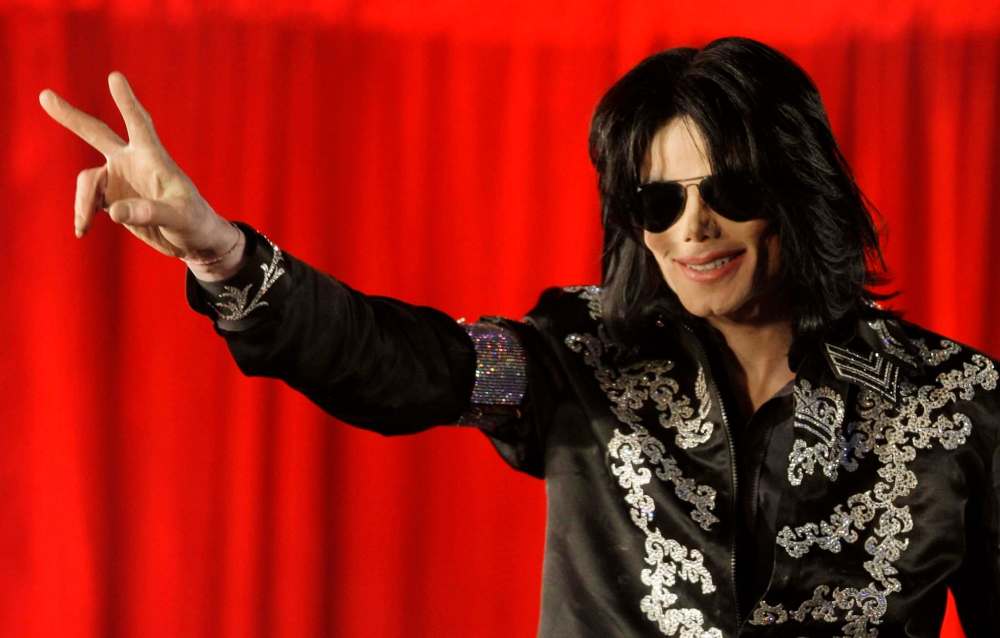
In 1997, Michael Jackson released the album Blood on the Dance Floor which contained a track titled Morphine — the first and only of his songs to deal with his relationship to drugs. By the time Jackson died in 2009 at age 50, drugs would dominate his days and nights. And ultimately cause his death.
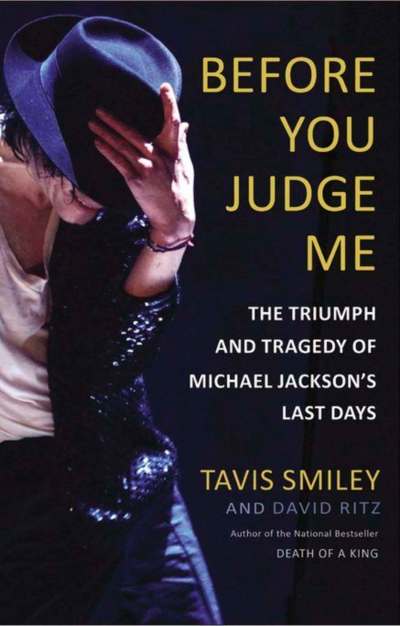
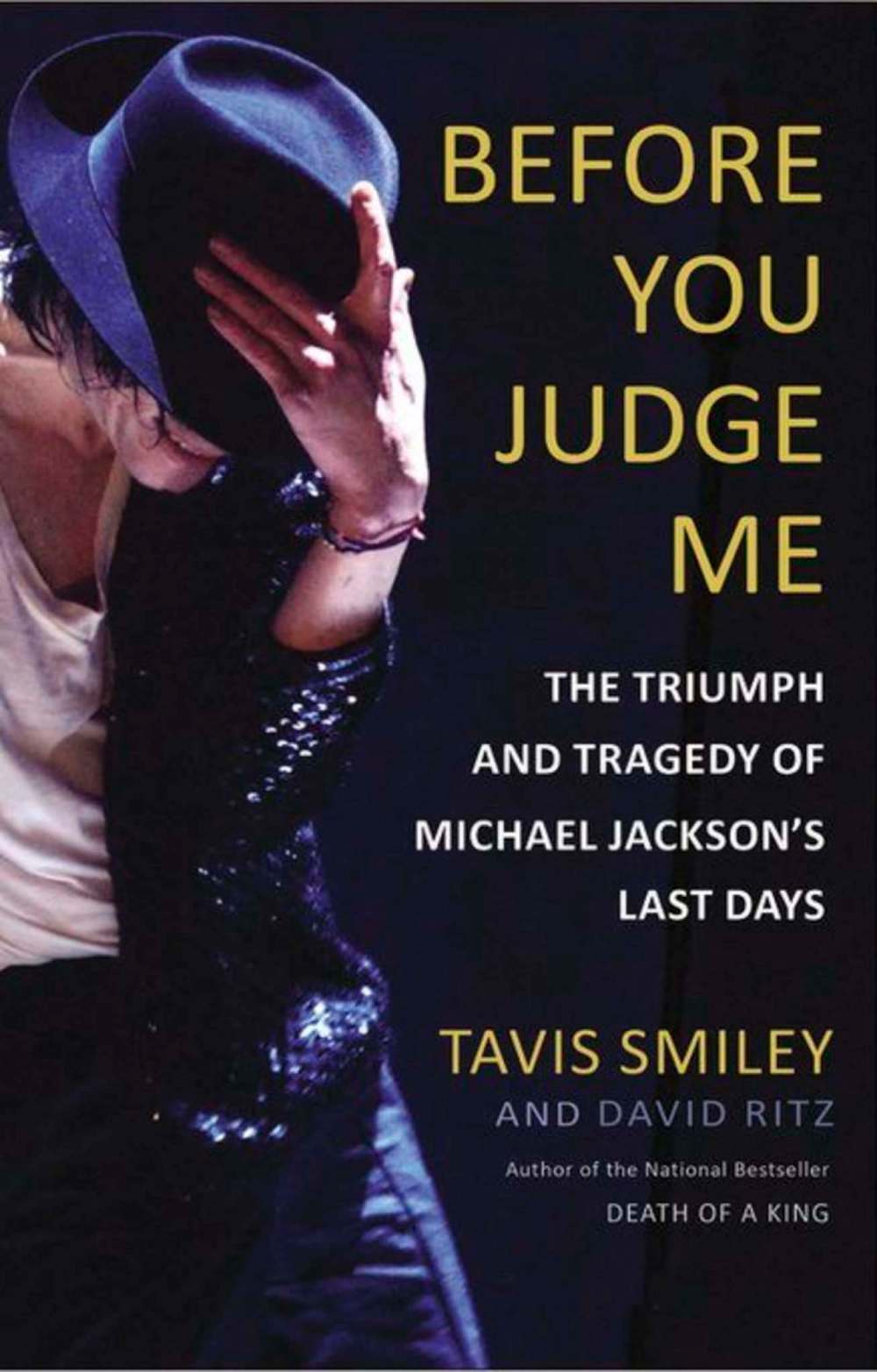
That is the singular take-away of any substance from Before You Judge Me: The Triumph and Tragedy of Michael Jackson’s Last Days. Author, TV and radio broadcaster Tavis Smiley and music bio author David Ritz chronicle the 16 weeks before Jackson’s death on June 25, 2009 — six years ago today. It was a period when the king of pop was ostensibly engaged in preparations for a massive 50-date concert stand in London, England, that was to be both his comeback and swan song.
The massive investigation undertaken by Smiley and Ritz indicates Jackson spent more of his time conducting impetuous dealings with myriad business advisers, avoiding his immediate family, conducting wild shopping sprees, watching movies and ingesting crazy cocktails of heavy prescription drugs than he did singing and dancing.
The authors are abundantly sympathetic to Jackson’s memory. They write with a mix of breathless National Enquirer-style of sensationalism/speculation and an over-awed Teen Beat style of fan magazine writing that has largely disappeared from music coverage (with the possible exception of People magazine).
Before completing the introduction, the authors have gushed, “To be close to Michael (Jackson) is to be close to immortality.” There are many references to his “artistic genius,” and he is dubbed a character of “mythic proportions.” His song lyrics are breathlessly dissected for pages at a time for clues about his early life, the trials and tribulations of stardom, and his philosophy of life as if they were serious literature rather than dance music.
Not to deny Michael Jackson was a universal entertainment superstar of the first rank. His musical achievements were extraordinary, from the earliest emergence as a singing, dancing child prodigy fronting the Jackson Five through to his solo dominance of rock, pop and soul music (and video) through the years — 1982’s Thriller remains the biggest-selling album of all time, claiming an incredible 65 million albums sold.
Jackson’s hits owned radio charts and his inventive singing and dancing videos dominated MTV, breaking down racial barriers and stereotypes proving, as Rolling Stone acknowledged, “the biggest pop star in the world could be young and black.” One source indicates an astounding 227 books about Jackson and his career have been published, with one or two new additions appearing every year.
Much of this biography is cobbled together from the usual sources: old interviews, newspaper and magazine articles, videos, the Internet and other books. Some sections jump out for the way they’re written in the third person, with the authors taking on the persona of Jackson as if they are telling the story in his words and thoughts.
In the afterword, Smiley describes this device as a “novelistic narrative,” “imbuing the text” with “all the excitement and fast-paced rhythm of a novel.” It’s an interesting concept and good reading, but the authenticity and the accuracy of these passages can’t be verified. The technique is simply conjecture masquerading as fact.

In seeking to understand why Jackson died at 50, Ritz and Smiley tend to play down the weirdness of his childhood, the Disney-esque Neverland estate he moved to at age 30, the numerous plastic surgeries that altered his appearance from an average African-American visage to a fun-house, male version of a young Diana Ross. There’s little serious investigation of the child molestation rumours from 1993 and even less reporting on the facts of the seven counts of committing lewd acts with a minor that were tried in 2004 that more or less ended Jackson’s reign as king of pop. The not-guilty verdict in the case is accepted as the ultimate proof of Jackson’s innocence.
Jackson’s prescription drug use, on the other hand, is unavoidable: clonazepam to treat anxiety, the anti-depressant trazodone to promote sleep, Demerol to ease the pain of his weekly Botox injections and propofol, the milky intravenous anesthetic Jackson had administered by his “private doctor” on an almost nightly basis to treat chronic insomnia.
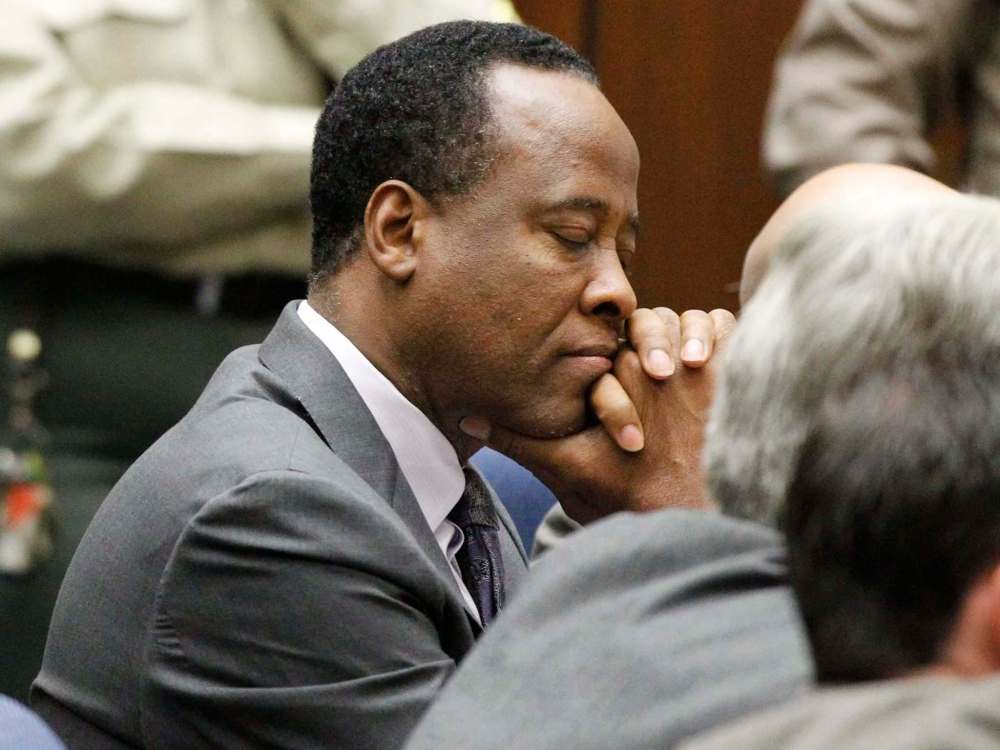
Jackson died of acute propofol and benzodiazepine intoxication; his personal physician, Conrad Murray, was later convicted of involuntary manslaughter in the sad death.
Overall, the authors succeed in proving, largely by default, that Jackson was a prescription medication junkie and that his death, while an accidental overdose, was close to predictable given the lethal potency of the medications he chose to abuse.
Jim Millican is a Winnipeg writer and music journalist.