Asian culinary superpowers team up for Indian Hakka
Advertisement
Read this article for free:
or
Already have an account? Log in here »
To continue reading, please subscribe:

Digital Subscription
One year of digital access for only $205*
- Enjoy unlimited reading on winnipegfreepress.com
- Read the E-Edition, our digital replica newspaper
- Access News Break, our award-winning app
- Play interactive puzzles
*First annual payment billed as $205.00 + GST for one year. This annual subscription will automatically renew at $233.00 + GST every 52 weeks (10% off the regular annual price of $259.35). Offer available to new and qualified returning subscribers only. Cancel any time.
To continue reading, please subscribe:
Add Free Press access to your Brandon Sun subscription for only an additional
$1 for the first 4 weeks*
- Enjoy unlimited reading on winnipegfreepress.com
- Read the E-Edition, our digital replica newspaper
- Access News Break, our award-winning app
- Play interactive puzzles
*Your next Brandon Sun subscription payment will increase by $1.00 and you will be charged $17.95 plus GST for four weeks. After four weeks, your payment will increase to $24.95 plus GST every four weeks.
Read unlimited articles for free today:
or
Already have an account? Log in here »
Hey there, time traveller!
This article was published 22/10/2016 (3580 days ago), so information in it may no longer be current.
It is always appealing and exciting to experience new cuisines. One such cuisine emerging on the scene across North America is Indian Hakka — a Chinese style of cooking infused with spices used in Indian food.
Chinese food is one type of ethnic cuisine that has been expanded through formal dining, food trucks, food courts, dim sum, buffets and takeout, and is undoubtedly widely relished and popular. It is also a cuisine that has been blended with other cultural flavours and adapted internationally to yield new regional nuances such as Caribbean Chinese, American Chinese, Peruvian Chinese and Puerto Rican Chinese, as well as Indonesian Chinese, Malaysian Chinese and Singaporean Chinese, to name just a few.
Chinese cuisine can be seen as versatile as a result of the Chinese diaspora throughout the world. Indeed, the cuisine has been customized by the cultures of its many new locales.
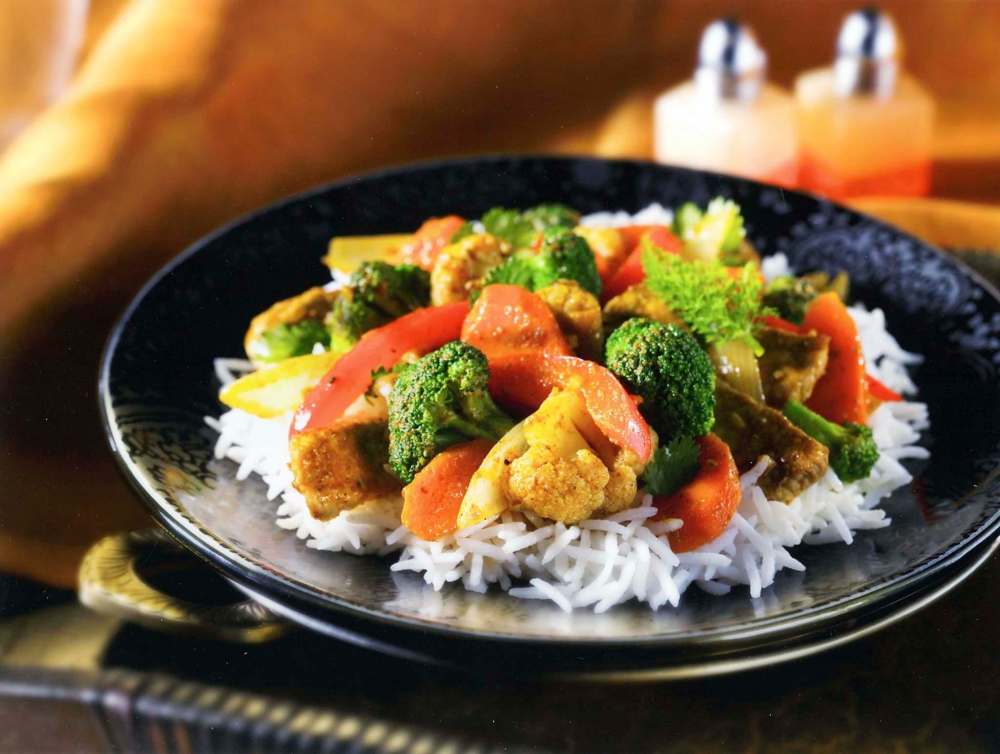
Hakka cuisine originates from several of China’s southeastern regions such as Guangdong and Fujian, and can also be found in nearby areas such as Hong Kong, Taiwan and Malaysia. It is native to a specific population known as “the Hakka people,” who are a nomadic culture and embrace a rustic and hearty cuisine. Typical dishes offer subtle flavours stemming from rice vinegar, sugar, salt and soya sauce used among preserved or braised meats that are often paired with a variety of vegetables or tofu.
Hakka cuisine was brought to India by Chinese settlements from Hakka regions into Kolkata over a century ago.
In terms of ethnic foods within India, Chinese cuisine is the most popular, according to Souvik Ray, who posts at indiatimes.com, and Aashna Ahuja of food.ndtv.com. It is no surprise Chinese and Indian cuisines have blended over the years, owing to the two countries’ proximity.
Beyond geography, foods from these two Asian cultures are similar, with meats, vegetables and rice as main staples, and they merge together well.
The journey of Hakka cuisine gave rise to Indian Hakka, also referred to as Indian Chinese cuisine.
Indian Hakka incorporates spices used in Indian cooking, such as cumin, ginger, coriander seeds, dry red chilis, garlic, turmeric, hot chili peppers and cilantro, which bring out nutritional and medicinal benefits.
One of the signature flavours in Indian Hakka is a sweet and savoury sauce known as Manchurian. Nelson Wang, who is of Chinese descent, has been recognized since 1975 for creating Manchurian chicken, a popular Indian Hakka dish. Wang incorporated essential spices used in Indian cooking such as ginger, garlic and green chilis in his recipe, but added cornstarch and soya sauce instead of Indian masalas and curry pastes to create the Manchurian taste.
As a vegetarian option, cauliflower is combined with the sauce, to make gobi Manchurian, and Indian cheese is used with the sauce, to make paneer Manchurian.
Other popular dishes are Hakka vegetable spring rolls, Hakka vegetable noodles, chili chicken, vegetable Manchurian balls and Manchurian fish.
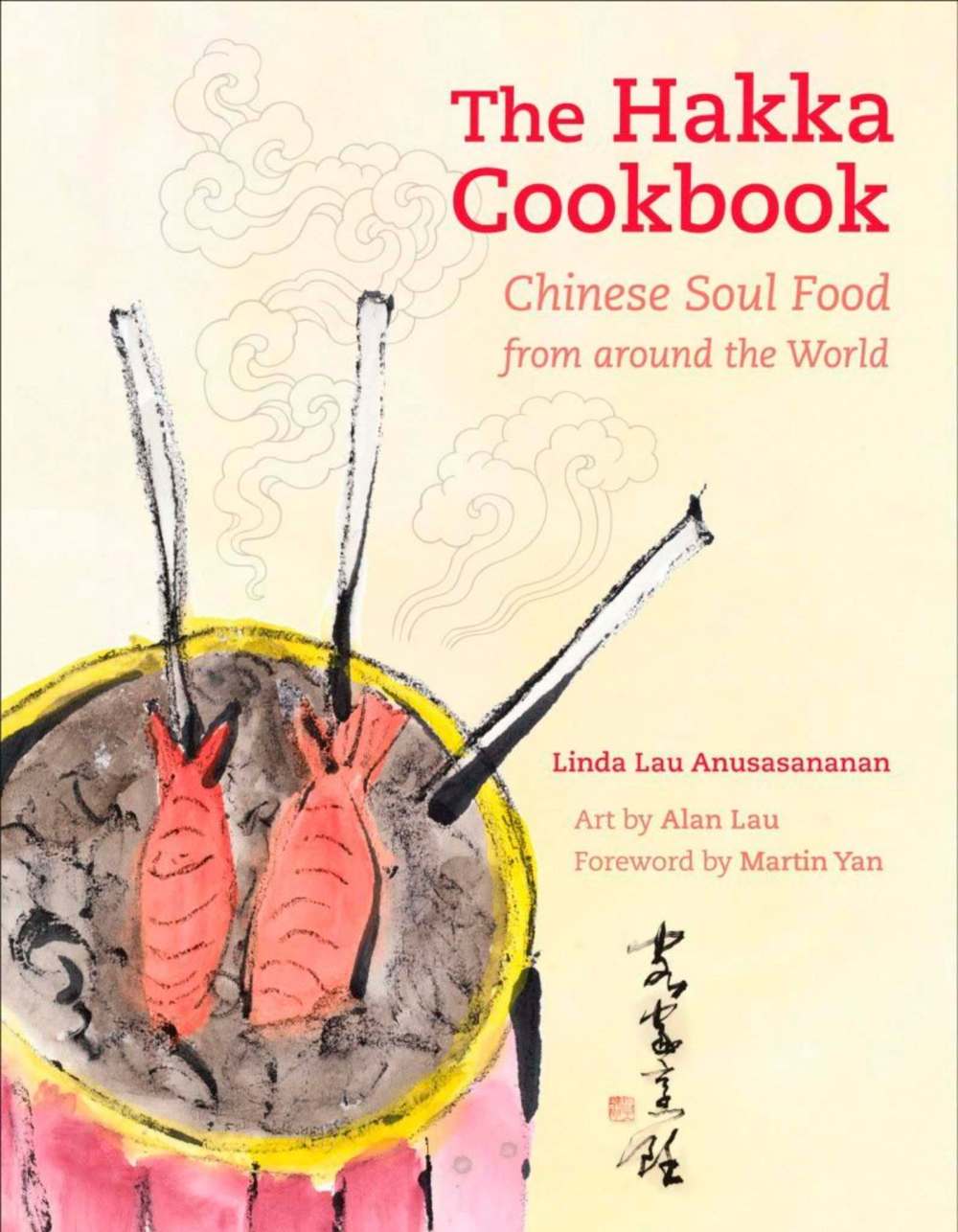
Hakka cuisine is described as comfort food in The Hakka Cookbook: Chinese Soul Food from around the World by Linda Lau Anusasananan (University of California Press). This description is not surprising as the word hakka translates to mean a “family’s guest.” There is a subtleness and lightness about Indian Hakka that creates this comforting feeling compared to traditional Indian cuisine, which is sometimes laden with heavier spices and sauces.

Indian Hakka is not widely known around the globe, but it is enormously popular in regions familiar with it. Besides in India, one can find many Indian Hakka restaurants in Toronto, Vancouver, New York, Los Angeles, Chicago, Trinidad, and even in Australia — all places which have large communities from South Asian backgrounds.
Here in Winnipeg, an Indian Hakka menu, with a range of appetizers, entrées and value meals, can be experienced at Clay Oven at Shaw Park.
Chinese cuisine has aroused our taste buds to no end, and infusing it with tantalizing Indian flavours creates an appealing culinary experience. When you venture to eat out next and are interested in trying a new cuisine, be sure to sample Indian Hakka — a blend of two captivating cultures and cuisines.
Romona Goomansingh teaches at the faculty of education at the University of Manitoba and at McNally Robinson Booksellers in Winnipeg. She is an active member of Winnipeg’s South Asian community and is involved with multicultural and community work within the city at large. She has been appointed as a member of the Manitoba Women’s Advisory Council.