

Take public-health approach to pot
Advertisement
Read this article for free:
or
Already have an account? Log in here »
To continue reading, please subscribe:

Digital Subscription
One year of digital access for only $205*
- Enjoy unlimited reading on winnipegfreepress.com
- Read the E-Edition, our digital replica newspaper
- Access News Break, our award-winning app
- Play interactive puzzles
*First annual payment billed as $205.00 + GST for one year. This annual subscription will automatically renew at $233.00 + GST every 52 weeks (10% off the regular annual price of $259.35). Offer available to new and qualified returning subscribers only. Cancel any time.
To continue reading, please subscribe:
Add Free Press access to your Brandon Sun subscription for only an additional
$1 for the first 4 weeks*
- Enjoy unlimited reading on winnipegfreepress.com
- Read the E-Edition, our digital replica newspaper
- Access News Break, our award-winning app
- Play interactive puzzles
*Your next Brandon Sun subscription payment will increase by $1.00 and you will be charged $17.95 plus GST for four weeks. After four weeks, your payment will increase to $24.95 plus GST every four weeks.
Read unlimited articles for free today:
or
Already have an account? Log in here »
Hey there, time traveller!
This article was published 20/04/2017 (3447 days ago), so information in it may no longer be current.
This time next year will be the last 4/20 — the unofficial cannabis holiday known by its numeric calendar date — when possessing weed for personal use will be a crime. Legalization is coming to Canada in the summer of 2018.
So far, reactions to legalized cannabis have ranged from healthy concern to outright fear-mongering. Some people have claimed it will lead the youth astray, make our roads less safe and harm our overall health.
Legalizing cannabis is not without risk. But legalization can also address how risky our current approach, the so-called War On Drugs, has been.
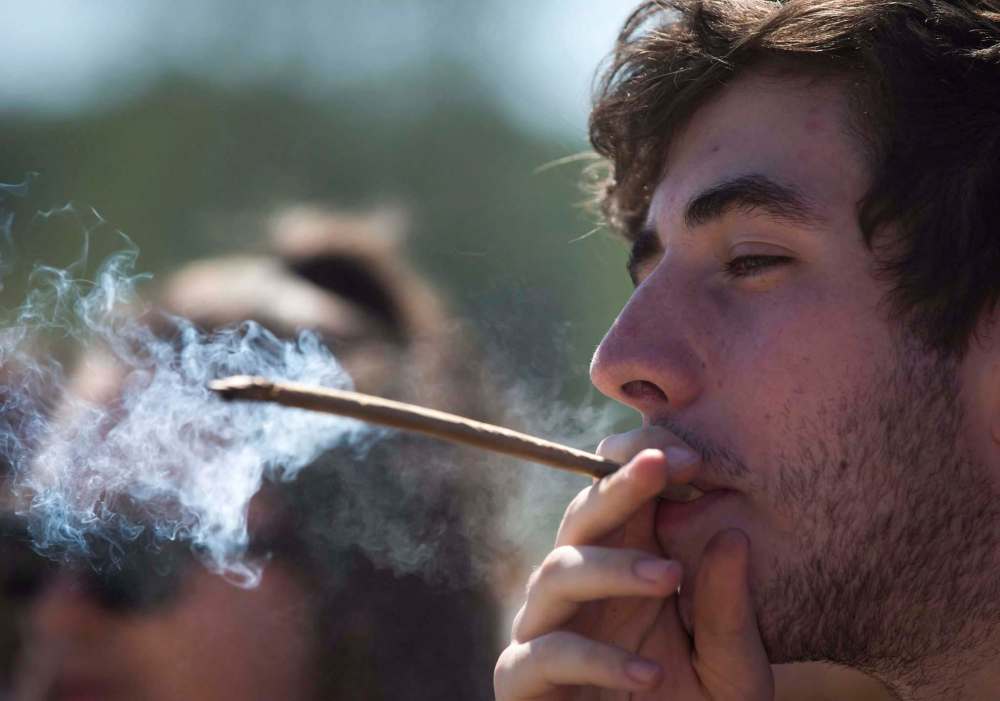
In 2013, Canadian police departments reported roughly 73,000 cannabis-related offences, with 80 per cent of these for simple possession. In Winnipeg, charging drug users has been a rare area of growth: between 2005 and 2009, overall crime dropped 15 per cent, but the number of drug charges climbed 40 per cent.
Sending thousands of people through the justice system for possessing pot is not only expensive, it’s bad public-health policy. Fines, incarceration and criminal records cause stress and harm to individuals, families and communities. On top of that, racism and heavier surveillance mean racialized communities bear the brunt of enforcement.
Despite the threat of legal trouble, Manitobans still rank above the national average in cannabis use. Surveys show a little more than one in 10 Manitobans say they used pot in the year before the survey was taken. With no regulation, it’s hard to know what’s going into the pot people are smoking or where it’s coming from. That’s also been risky.
Luckily, several American states legalized cannabis a few years ago and we can already see early results. One of the most striking findings is the impact cannabis legalization may have had on alcohol use.
Alcohol use is down among Colorado youth, and impaired driving has dropped in both Colorado and Washington State. In fact, traffic fatalities have remained stable in every state that has legalized cannabis. And surveys of youth in Colorado, Washington, Alaska and Oregon also found marijuana use has stayed steady or even dropped post-legalization.

The legalization experience hasn’t been perfect. In Colorado, there are signs that while adults, who are now legal consumers of marijuana, are being left alone, freed-up police are stepping up enforcement on juvenile pot users (especially young African Americans). We need to make sure that the spirit of legalization — taking more of a public-health approach to drugs — isn’t undermined by ramped-up enforcement in other areas.
To be clear, regulation and oversight of legalized cannabis are essential. Pot can be harmful to the developing brain, can be unsafe for people at risk of psychosis and can be poisonous if you don’t know how much you’re taking.
But a public-health approach to cannabis needs to focus not only on the harms of cannabis itself, but must also consider the harms that legalization will take away.
We have tried the enforcement approach with the War on Drugs. It didn’t work. If we act on what we’ve learned here and in other jurisdictions, legalized cannabis might actually be a step toward making Manitoba a safer and healthier place.
Dr. Joss Reimer is a medical officer of health for the Winnipeg Regional Health Authority.
Related Articles
Lighting up at the legislature: Marijuana enthusiasts gather to celebrate 4/20 in haze of smoke


Advertisement Advertise With Us
Advertisement Advertise With Us