

Stagnant poll results actually point to change in provincial politics
Tories likely to lose some city seats in 2020; NDP's woes mean Liberals could hold wildcard if they can inspire voters

Advertisement
Read this article for free:
or
Already have an account? Log in here »
To continue reading, please subscribe:

Digital Subscription
One year of digital access for only $205*
- Enjoy unlimited reading on winnipegfreepress.com
- Read the E-Edition, our digital replica newspaper
- Access News Break, our award-winning app
- Play interactive puzzles
*First annual payment billed as $205.00 + GST for one year. This annual subscription will automatically renew at $233.00 + GST every 52 weeks (10% off the regular annual price of $259.35). Offer available to new and qualified returning subscribers only. Cancel any time.
To continue reading, please subscribe:
Add Free Press access to your Brandon Sun subscription for only an additional
$1 for the first 4 weeks*
- Enjoy unlimited reading on winnipegfreepress.com
- Read the E-Edition, our digital replica newspaper
- Access News Break, our award-winning app
- Play interactive puzzles
*Your next Brandon Sun subscription payment will increase by $1.00 and you will be charged $17.95 plus GST for four weeks. After four weeks, your payment will increase to $24.95 plus GST every four weeks.
Read unlimited articles for free today:
or
Already have an account? Log in here »
Hey there, time traveller!
This article was published 22/04/2018 (3056 days ago), so information in it may no longer be current.
At first glance, new Probe Research-Free Press polling results might suggest an uneasy calm has fallen over Manitoba politics.
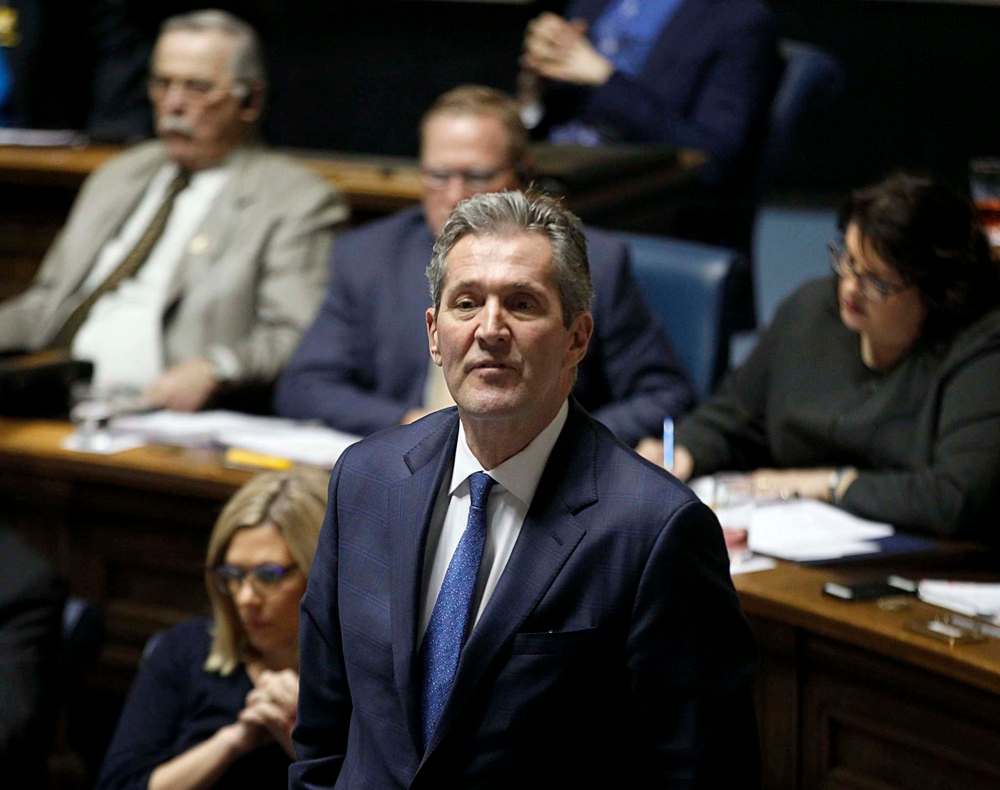
The governing Progressive Conservatives continue to march out in front of the pack, with 44 per cent support province-wide, a four point improvement over the last poll in December 2017.
The NDP continue to hold down second place with the support of 28 per cent (+2%), and the Liberals lag well behind at 19 per cent (-6%).
Beyond the contrast between this poll and the one three months ago, it’s a political landscape that looks eerily similar to what we saw exactly one year ago when the standings were PC (43), NDP (27) and Liberals (20).
!function(e,t,n,s){var i=”InfogramEmbeds”,o=e.getElementsByTagName(t)[0],d=/^http:/.test(e.location)?”http:”:”https:”;if(/^/{2}/.test(s)&&(s=d+s),window[i]&&window[i].initialized)window[i].process&&window[i].process();else if(!e.getElementById(n)){var a=e.createElement(t);a.async=1,a.id=n,a.src=s,o.parentNode.insertBefore(a,o)}}(document,”script”,”infogram-async”,”https://e.infogram.com/js/dist/embed-loader-min.js”);
And yet, so much has happened in the last year.
In its bid to balance the budget, the Tory government has embraced fiscal austerity that includes a profound remake of the health care system, one that points to the closure of Winnipeg ERs and rural EMS stations.
If that weren’t enough, Premier Brian Pallister has waded in and out of trouble with a series of gaffes and controversial statements, from an ill-advised attempt to make a joke about a woman’s choice of footwear at a Chamber of Commerce lunch speech, to a bare-knuckle scrap with former Manitoba Hydro chair and provincial PC royalty Sandy Riley. And the Tories felt compelled to eject MLA Steven Fletcher from their caucus for insubordination.
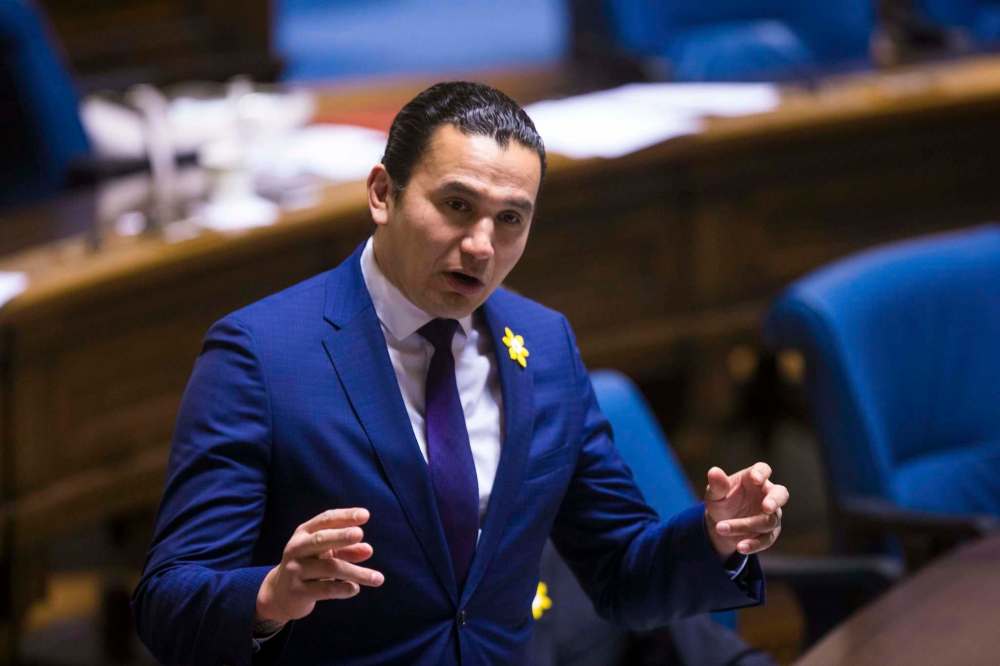
The NDP, meanwhile, are still trying to escape domestic assault allegations against leader Wab Kinew, while being been forced to answer to a litany of dirty laundry stemming from their days in government, including allegations a former cabinet minister, Stan Struthers, was allowed to sexually harass women with impunity.
The Liberals have a new leader, Dougald Lamont, and a shot in the upcoming St. Boniface byelection to gain a seat and party status in the Manitoba Legislature.
With all these narratives at play, why are voters stuck in such a rut? There are a number of prevailing theories, but it’s likely that Manitobans are just not all that impressed with any of their provincial political leaders right now. As a result, they aren’t particularly engaged with provincial politics.
Of all the truisms floating around Manitoba politics these days, the lack of appeal afflicting Manitoba’s three main party leaders has to be among the truest. From Pallister’s chronic capacity for self-inflicted wounds, to Kinew’s troubled past and Lamont’s inability to — so far — capture anyone’s imagination, it’s a political landscape where "none of the above" seems to be the answer we’re getting from voters.
All that having been said, there are deeper trends in the polling numbers that should cause all three parties to lose some sleep in the next few months.
For the governing Tories, the most alarming aspect of the poll results is they continue to struggle in Winnipeg, where they are now running in a statistical dead heat with the NDP, each with 33 per cent support. The Liberals are behind at 25 per cent.
Outside Winnipeg, Pallister’s Tories are the choice of nearly 60 per cent of decided voters. Add it all together and you have a rural-urban divide in Tory support that will likely remain in place for the 2020 election. That will almost undoubtedly mean a loss in Tory seats the next time Manitobans go to the polls.
Of course, on the heels of a record-breaking majority result in 2016 — 40 seats on election night, 39 now with Fletcher’s departure — it was likely the Pallister crew would lose a seat here or there in the next election. The electoral reality for the Tories is not pretty: province-wide, PCs are running 10-points down from their showing on election day in April 2016. The gross majority of that loss in support is in Winnipeg, which will make or break his bid to seek a second majority mandate.
Looking at those numbers, it’s no wonder Pallister abandoned the Legislature for a good portion of last week to attend public events in Portage and Brandon. The premier’s support is highest in those regions, and he is guaranteed to have a warm greeting and a raucous response to almost anything he says. Contrast that with the atmosphere at the Legislature, where he would have been forced to sit through the ritual abuse of budget estimates, where NDP critics get nearly unlimited time to beat him up over budget cuts and spending decisions.
For the NDP, that alone is good news. Particularly because Kinew and his increasingly smaller caucus have not enjoyed much success in the last two years. From having to eject MLA Mohinder Saran, to being forced to confront Kinew’s past run-ins with the criminal justice system, to the Struthers mess, and then an awkward retirement for former premier Greg Selinger, the NDP have hardly been the model of political elegance.
And yet, New Democrats will be buoyed by how, despite all of their travails, they remain competitive in Winnipeg. Their resilient support is largely the result of Winnipeg being home to many, many provincial civil servants, who have stood by rather helplessly as the premier has doled out heaping helpings of fiscal tough love that have reduced their overall numbers and effectively frozen wages. The NDP remain an effective voice for those aggrieved public servants.
The wildcard in this equation remains the Liberal Party under Lamont. There is almost no good news in this poll for the Grits; despite winning the leadership in December, there was no post-convention bounce for Lamont.
All that could change in the St. Boniface byelection. After what seemed like an unusually long period of reflection, Lamont’s decision to vie for his party’s nomination is a bold move that could pay dividends for his party almost immediately.
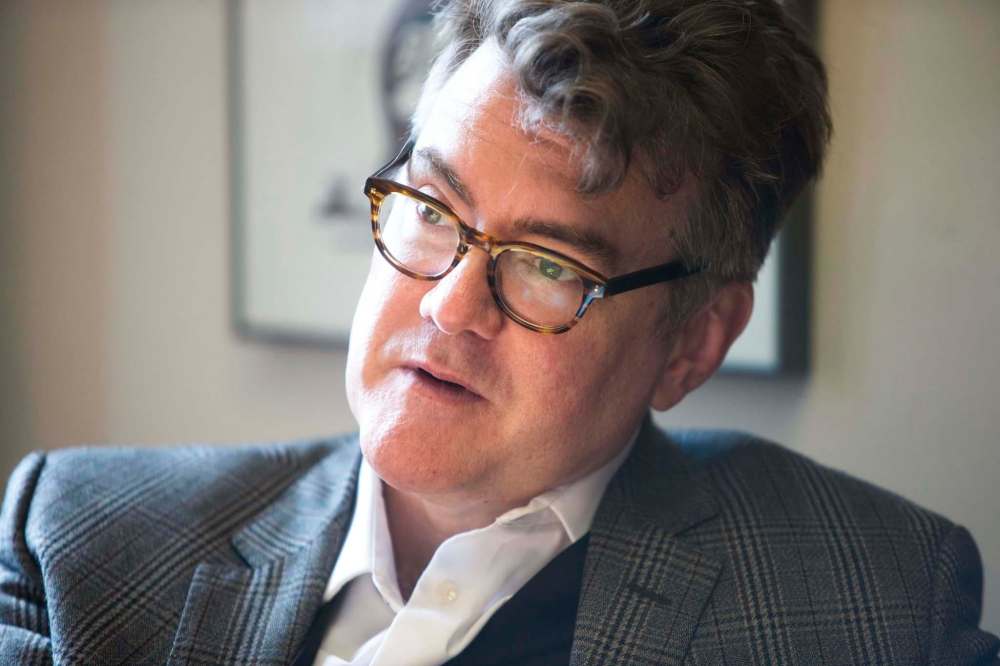

A win would give the Grits four seats in the Legislature, and official party status. That means more media attention, more money to support caucus activities, and more questions in Question Period at the expense of the NDP. A Lamont win would almost certainly be a game changer, transforming the Liberals into a force that could threaten both the Tories and NDP.
Ultimately, the lack of movement in the polling numbers reveals two important things about Manitoba provincial politics.
First, that voters are still looking for a leader and a party with which they can make a meaningful connection.
And, second, that the electoral map in 2020 will look a lot different than it is today.
dan.lett@freepress.mb.ca
Dan Lett is a columnist for the Free Press, providing opinion and commentary on politics in Winnipeg and beyond. Born and raised in Toronto, Dan joined the Free Press in 1986. Read more about Dan.
Dan’s columns are built on facts and reactions, but offer his personal views through arguments and analysis. The Free Press’ editing team reviews Dan’s columns before they are posted online or published in print — part of the our tradition, since 1872, of producing reliable independent journalism. Read more about Free Press’s history and mandate, and learn how our newsroom operates.
Our newsroom depends on a growing audience of readers to power our journalism. If you are not a paid reader, please consider becoming a subscriber.
Our newsroom depends on its audience of readers to power our journalism. Thank you for your support.
Dan Lett is a columnist for the Free Press, providing opinion and commentary on politics in Winnipeg and beyond. Born and raised in Toronto, Dan joined the Free Press in 1986. Read more about Dan.
Dan’s columns are built on facts and reactions, but offer his personal views through arguments and analysis. The Free Press’ editing team reviews Dan’s columns before they are posted online or published in print — part of the our tradition, since 1872, of producing reliable independent journalism. Read more about Free Press’s history and mandate, and learn how our newsroom operates.
Our newsroom depends on a growing audience of readers to power our journalism. If you are not a paid reader, please consider becoming a subscriber.
Our newsroom depends on its audience of readers to power our journalism. Thank you for your support.
Related Articles
Progressive Conservative support strengthens
Advertisement Advertise With Us
Advertisement Advertise With Us