Author explores the joy and solitude of travelling alone
Advertisement
Read this article for free:
or
Already have an account? Log in here »
To continue reading, please subscribe:

Digital Subscription
One year of digital access for only $205*
- Enjoy unlimited reading on winnipegfreepress.com
- Read the E-Edition, our digital replica newspaper
- Access News Break, our award-winning app
- Play interactive puzzles
*First annual payment billed as $205.00 + GST for one year. This annual subscription will automatically renew at $233.00 + GST every 52 weeks (10% off the regular annual price of $259.35). Offer available to new and qualified returning subscribers only. Cancel any time.
To continue reading, please subscribe:
Add Free Press access to your Brandon Sun subscription for only an additional
$1 for the first 4 weeks*
- Enjoy unlimited reading on winnipegfreepress.com
- Read the E-Edition, our digital replica newspaper
- Access News Break, our award-winning app
- Play interactive puzzles
*Your next Brandon Sun subscription payment will increase by $1.00 and you will be charged $17.95 plus GST for four weeks. After four weeks, your payment will increase to $24.95 plus GST every four weeks.
Read unlimited articles for free today:
or
Already have an account? Log in here »
Hey there, time traveller!
This article was published 11/08/2018 (2952 days ago), so information in it may no longer be current.
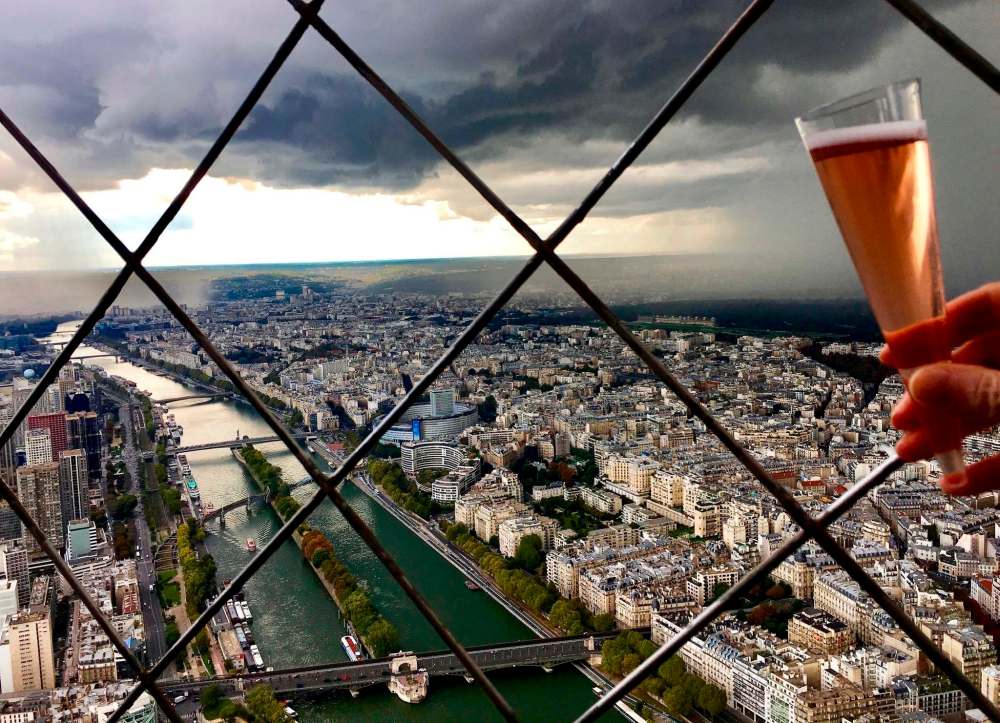
As a travel writer for the New York Times, Stephanie Rosenbloom has scored many plum assignments. One of them — spending five days in Paris, on her own — stayed with her long after she returned.
To find out why her senses pricked up there, and why she was able to delight in the smallest things, she returned to Paris, and also travelled solo to Istanbul and Florence.
Back in New York City, she played tourist back at home. She also immersed herself in the work of artists, poets, musicians, philosophers, writers and social scientists who had contemplated the meanings and rewards of solitude.
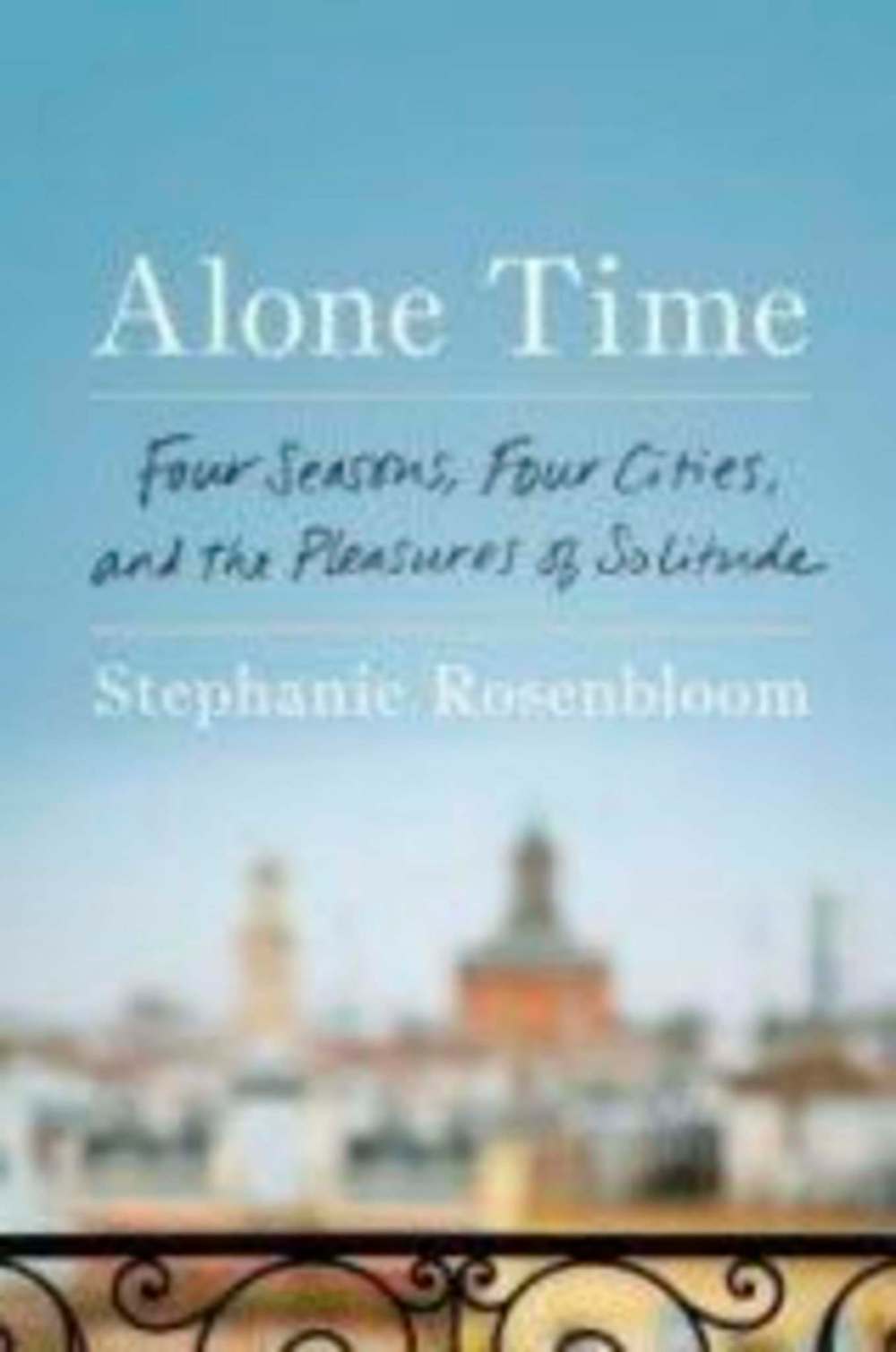
In her new book, Alone Time: Four Seasons, Four Cities, and the Pleasures of Solitude, Rosenbloom documents how an increasing number of people are travelling alone, dining alone, living alone and craving time just for themselves. Solitude is having its moment, and Alone Time is an unabashed celebration of that.
When I asked Rosenbloom if she would share more of her insights about solitude, addressing both the converts and the skeptics, she was — surprise! — travelling in France.
We conducted our interview over email, and her answers have been edited for clarity and length.
Q: You describe Alone Time as “a love letter to loners.” In the book, your love of travelling alone, dining alone and just spending time alone is exquisitely rendered. What makes solitude so special?
A: Solitude gives us space to slow down and explore ourselves and the world. It gives us the freedom to go down rabbit holes and to discover and pursue things we’re passionate about and find personally meaningful. When we’re not inhibited by others, we can dream up new ideas, linger in obscure shops and museums, meditate, paint — all the while experimenting with who we are and who we long to be. Alone, we see differently. We can walk a pretty street in silence, savouring details that tend to go unnoticed when walking that same street in conversation with friends or family.
When used well, solitude is the gift of time — one that’s not just for loners, but people who adore their friends and partners, yet also want moments free from distraction to think, create and set off on adventures.
Q: For people who find that the love of solitude does not come naturally, what are some easy first steps toward appreciating the time you have to yourself?
A: Take a few minutes to look around. Breathe deeply. If you’re outdoors, notice the feel of the breeze on your skin, the scent of the air, the colours of the leaves on the trees. There’s no one to hurry you along. By really engaging your senses, you can begin to see the wonder in everyday life.
Do something you’ve been wanting to do, whether that’s visiting a historic house in your neighbourhood or enrolling in a photography class.
Or try going for a walk and allowing yourself to be drawn to whatever strikes your fancy: shop windows, a concert in a park, a poster for an upcoming museum exhibition. You may find that this re-ignites a personal interest or helps you discover a new one.
You can also use your alone time to do some self-work: make plans for the future or reflect on the choices you’ve made. Are you living the life you want to live? Have you ever taken the time to ask yourself what makes for a good life? Now’s your chance.
Q: Going solo isn’t just about spending time alone. Research on people who are single and people who live alone shows that in important ways, they are more connected to other people than those who are coupled or live with other people. You found something similar. “For those who prefer to spend less time alone,” you write, “solo travel often leads to just that because it creates opportunities to meet new people and develop new friendships.” Tell me more about how and why that happens.
A: One of the boons of alone time is meeting wonderful people. When you’re not surrounded by companions, strangers may find it easier to approach and strike up a conversation. You may be more outgoing as well. Solo travellers, even us shy ones, often enjoy breaking up our alone time on long trips.
Meeting others happens naturally at hotels and hostels with communal lobbies and gardens, on trains and airplanes, in food-appreciation classes, during yoga retreats and surf camps. But these days meeting others can also be facilitated with websites that offer art and culture meetups, walking tours and peer-to-peer dining experiences, like MeetUp.com, EatWith.com and Airbnb’s Experiences.
Q: I appreciated that you did not obsess about loneliness. People today seem to be in a panic over loneliness. There are endless headlines about how loneliness has reached epidemic proportions and it is going to kill us. Was it a deliberate decision to not give loneliness a starring role in your book?
A: The dangers of loneliness, especially for those who are elderly, sick or living with mental illness, are real — and there’s a good deal of research, along with some very smart books, that have addressed this.
Because of that, and largely because I myself have had so many positive experiences with solitude, I was interested in exploring something different: the pleasures and lessons to be found in the minutes and hours we have to ourselves. So yes, it was deliberate. I wanted to look at the upsides of alone time, when it’s voluntary and temporary — qualities that some researchers say are essential to differentiating solitude and loneliness. And I was particularly interested, in our technological age, in the sensuality of time alone: how in solitude it’s possible to disconnect and use our senses to experience the world in ways that make even simple things feel special and beautiful.
Q: When you are not travelling alone, do you get enough time to yourself, and if so, how do you accomplish that?

A: I do. By nature, I’m an early riser, so mornings are my time to enjoy a little quiet. It’s just me and the last of the stars until the rest of the East Coast rises.
Also, instead of taking the subway, I give myself extra time to walk almost everywhere in between chores and meetings. So that’s another way I steal alone time: strolling the streets of New York.
Q: Did you really walk 32 kilometres a day in Paris?
A: Oui. Although I admit: Some days I walked only 24 kilometres.
— Washington Post