Doc explores social impact bonds
Film shows pros and cons of controversial practice

Advertisement
Read this article for free:
or
Already have an account? Log in here »
To continue reading, please subscribe:

Digital Subscription
One year of digital access for only $205*
- Enjoy unlimited reading on winnipegfreepress.com
- Read the E-Edition, our digital replica newspaper
- Access News Break, our award-winning app
- Play interactive puzzles
*First annual payment billed as $205.00 + GST for one year. This annual subscription will automatically renew at $233.00 + GST every 52 weeks (10% off the regular annual price of $259.35). Offer available to new and qualified returning subscribers only. Cancel any time.
To continue reading, please subscribe:
Add Free Press access to your Brandon Sun subscription for only an additional
$1 for the first 4 weeks*
- Enjoy unlimited reading on winnipegfreepress.com
- Read the E-Edition, our digital replica newspaper
- Access News Break, our award-winning app
- Play interactive puzzles
*Your next Brandon Sun subscription payment will increase by $1.00 and you will be charged $17.95 plus GST for four weeks. After four weeks, your payment will increase to $24.95 plus GST every four weeks.
Read unlimited articles for free today:
or
Already have an account? Log in here »
Hey there, time traveller!
This article was published 29/09/2018 (2913 days ago), so information in it may no longer be current.
The title of this new documentary, which is provocative in the quietest, most thoughtful, most Canadian way possible, is a play on “the invisible hand” of the free market, a notion put forward by Scottish economist and moral philosopher Adam Smith.
The idea of “the invisible heart” goes even further. Supporters of social impact bonds, or SIBs, believe the profit motive can be used to help those the 21st-century free market has left behind. With this controversial process, investors put money into a social program — say, consolidating addiction counselling, job training and family support services for ex-convicts in one building to help reduce recidivism. The government then pays out to the investors — often with double-digit returns — if the program proves to be effective, using the money that might have been otherwise spent on these at-risk individuals, in this case the cost of imprisoning those who reoffend.
Writer and director Nadine Pequeneza, an experienced documentarian who focuses on socially engaged subjects (Road to Mercy, Up in Arms, 15 to Life: Kenneth’s Story), interviews people on all sides of this charged issue. She also uses simple animated sequences to illustrate the economic relationships among not-for-profit organizations, investors, governments and ordinary people in the SIBs process.
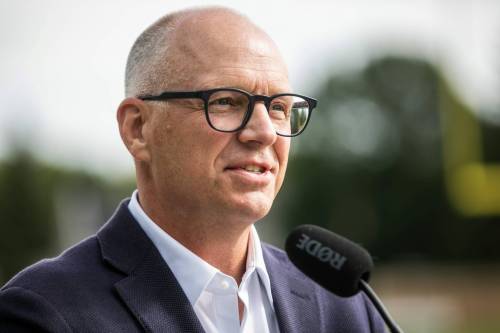
British businessman and multimillionaire Roland Cohen sincerely believes SIBs can bring much-needed venture capital to bear on social problems. Others suggest SIBs can help meld the energy, ambition and cost-effectiveness of the private sector with urgent public issues. And what’s so bad about Goldman Sachs investing in inner-city Chicago preschools?
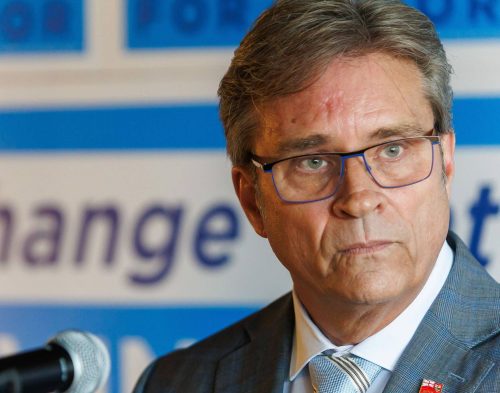
Not so fast, the critics say. SIBs are “not just nice people doing nice things for nice reasons,” as one commentator points out. SIBs, even when they work, can shift too much power away from elected governments to corporate organizations, as well as undermining the push for broad social policies to solve these problems.
One critic suggests that the process smacks of the Victorian model of rich philanthropists dispensing largesse to those they deem to be “the deserving poor,” whereby decent housing, medical care and education are seen as charitable gifts rather than democratic rights.
In between these two opposing sides, we meet an investor who is skeptical about SIBs in general, but believes that some specific projects, under careful conditions, can work financially and socially.
The Heart and Stroke Foundation, for example, created an SIB that encouraged Canadians with hypertension to enrol in a program that helps them lower their blood pressure, a project with clear goals and quantifiable results. But things can be much trickier with social problems where root causes and potential outcomes are complex and multifaceted.
Approaching this polarizing issue, Pequeneza chooses reasonable people to represent a range of positions and lets them state their cases. She doesn’t insert herself into the film, but you can sense her own invisible heart as she follows two very human stories about people whose lives have been affected by SIBs.
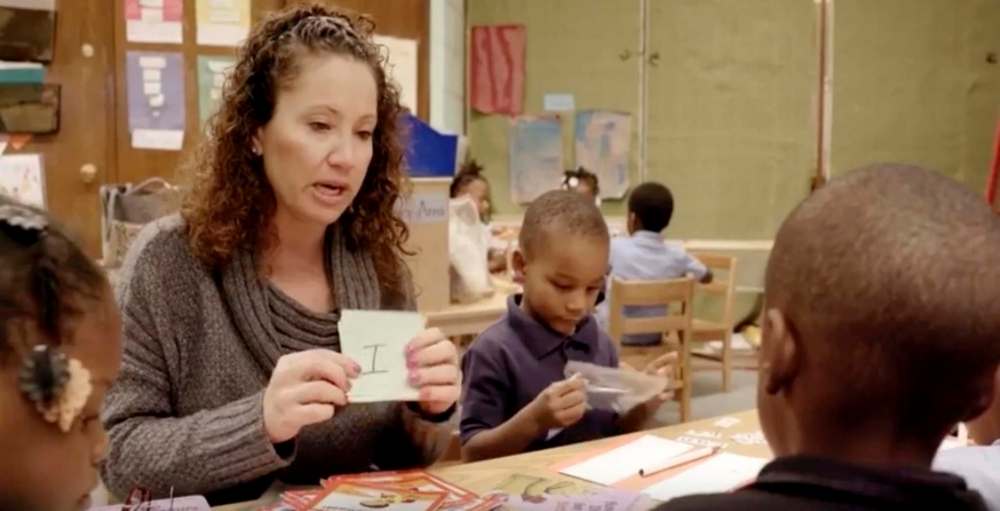
Reginald is a five-year-old boy enrolled in an intense Chicago preschool program funded by an SIB that will pay out if students test as kindergarten-ready, with no need for remedial education or special services. His school experience has been positive, but in a neighbourhood plagued by poverty, systemic racism and gun violence, there are many other factors in play.
John, formerly living on the Toronto streets, is working with an organization that is hoping to develop an SIBs pilot program in Ontario. He now has access to housing, but continues to struggle with addiction and mental health issues, problems that probably won’t be solved within the short timeline of the average SIB project.
Although these very poignant stories help to break up some dry and dispassionate debate, the film is longer than it needs to be. Pequeneza probably won’t grab a broad audience, then, but for social activists, policy wonks and people who are thinking about investing in Social Impact Bonds, The Invisible Heart is informative and important.
alison.gillmor@freepress.mb.ca
Studying at the University of Winnipeg and later Toronto’s York University, Alison Gillmor planned to become an art historian. She ended up catching the journalism bug when she started as visual arts reviewer at the Winnipeg Free Press in 1992.
Our newsroom depends on a growing audience of readers to power our journalism. If you are not a paid reader, please consider becoming a subscriber.
Our newsroom depends on its audience of readers to power our journalism. Thank you for your support.
Movie review
The Invisible Heart
Written and directed by Nadine Pequeneza
● Cinematheque
● Subject to classification ● 80 minutes
★★★½ out of five
Studying at the University of Winnipeg and later Toronto’s York University, Alison Gillmor planned to become an art historian. She ended up catching the journalism bug when she started as visual arts reviewer at the Winnipeg Free Press in 1992.
Our newsroom depends on a growing audience of readers to power our journalism. If you are not a paid reader, please consider becoming a subscriber.
Our newsroom depends on its audience of readers to power our journalism. Thank you for your support.
Advertisement Advertise With Us
Advertisement Advertise With Us