The Winnipeg Free Press would like to show you notifications for breaking news and noteworthy local journalism.
No Thanks
Allow
Notification Settings
This browser doesn't support push notifications at the moment. Check browsers features, update your browser or try to use one from the list of recommended to manage your notifications settings:
Firefox (27+)
Google Chrome (30+)
Safari ( MacOS 13+ with browser 16.1+ and iOS 16.4+ ) / Note make sure Push API support enabled under Settings > Safari > Advanced > Experimental Features
Microsoft Edge
If you wish to manage your notification settings from this browser you will need to update your browser's settings for this site. Just click button below and allow notifications for this site
Note Safari 16.4+ working on iOS devices also need this site app to be installed at device's Home Screen for Push Notifications to work
Notifications are blocked for this site. If you wish to manage your notification settings from this browser you will need to update your browser's settings. Usually you'd need to click on site options icon to the left of address bar and change notifications preferences/permissions from there
Breaking News
Urgent and important stories
Recommended Reads
Noteworthy news and features
Close
Cannabis, from A to Z
Glossary of cannabis-related terms offers a reference on reefers
*Billed as $5.77 plus GST every four weeks. After 52 weeks, price increases to the regular rate of $19.95 plus GST every four weeks. Offer available to new and qualified returning subscribers only. Cancel any time.
To continue reading, please subscribe:
Add Free Press access to your Brandon Sun subscription for only an additional
*Your next Brandon Sun subscription payment will increase by $1.00 and you will be charged $17.95 plus GST for four weeks. After four weeks, your payment will increase to $24.95 plus GST every four weeks.
Hey there, time traveller!
This article was published 01/10/2018 (2945 days ago), so information in it may no longer be current.
Do you know your ABCs — of cannabis?
We recognize that not everyone has partaken in pot or listens to Snoop Dogg. And so, ahead of legalization on Oct. 17, we’ve compiled an A-to-Z glossary of basic (and not-so-basic) cannabis-related terms. A Weed Alphabet, if you will. Think “doobie, doobie, doobie starts with D,” although to be very clear, this particular alphabet is not for children.
A is for Asparagus (But Not Those Kind Of Asparagus!)
Listen: there are a lot of slang terms for cannabis — more than 1,200, in fact. While weed, pot and marijuana are probably the most recognizable, there’s also a whole vegetable-related subcategory that includes ‘asparagus,’ ‘broccoli’ and, if you don’t actually partake, ‘the devil’s lettuce.’ A Facebook troll for Manitoba-specific slang came up empty, save for one person who helpfully suggested “Burton’s arugula.”
CHRIS YOUNG / THE CANADIAN PRESS FILES
The bowl is where pot is held in a bong.
B is for Bowl
This is the part of a pipe or bong that holds the cannabis.
C is for CBD
CBD, or cannabidiol, is a cannabinoid — a chemical compound produced by the cannabis plant. Cannabinoids interact with different cannabinoid receptors in the human nervous system. CBD is a non-intoxicating compound, meaning it will not produce a high, but is said to have therapeutic benefits, which is why it’s having a bit of a moment in the wellness scene.
D is for Doobie
Mostly antiquated slang for a hand-rolled cannabis cigarette. The term was used by hippies in the 1970s, now it’s mostly used by narcs. Weed slang is kind of like social media: promptly abandoned once uncool adults start using it. D is also for ‘dank krippy,’ a slang term that sounds like it was coined by the federal government because it was.
CHRIS YOUNG / THE CANADIAN PRESS FILES
Read the label before eating cannabis ‘edibles,’ often stronger than smoked.
E is for Edible
Most people automatically think of “special brownies” when they hear this term, but edibles — food or drink containing cannabis — can come in many forms. Read the label carefully and be mindful of how much you’re eating; while the effect takes a little longer to kick in, cannabis consumed this way tends to be stronger. Canadian adults can legally make their own edibles after Oct. 17, but they won’t be for sale until sometime in 2019.
DON RYAN / THE ASSOCIATED PRESS FILES
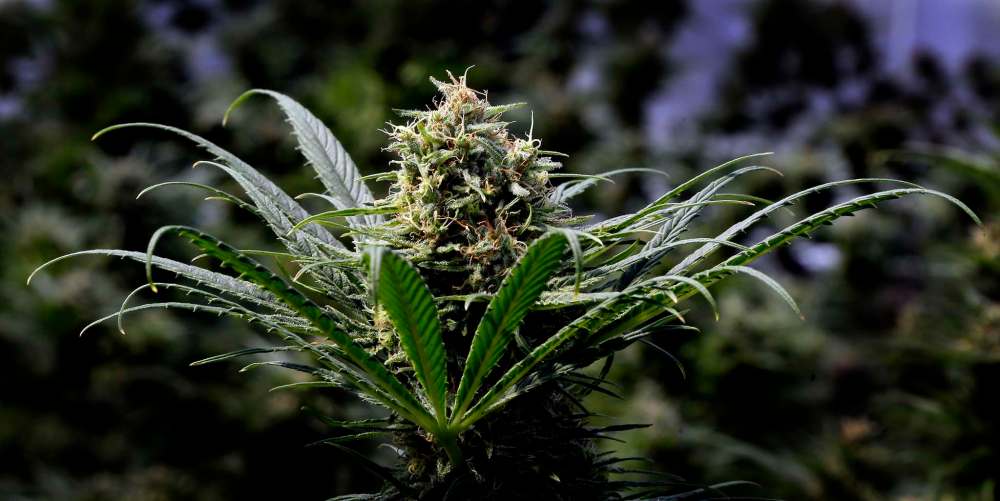
Female marijuana plants produce flowers.
F is for Flower
Cannabis plants are male, female, or both. Female plants produce flowers (a.k.a. buds), and the most potent flowers come from unfertilized female plants called sinsemilla.
G is for Gateway
Generations of junior high school kids were taught that weed is a “gateway drug,” or a drug that would set one on a path to harder drug use. However, researchers have concluded that there’s a lack of hard evidence to support this hypothesis. Some modern studies suggest that cannabis could act as an anti-gateway drug, to help ease opioid withdrawal, but this hasn’t been proven.
H is for Hemp
By now, you’ve learned that not all parts of the cannabis plant are intoxicating. Though the packaging might bear a telltale leaf, your hemp body butter won’t get you high. Nor will those hemp hearts you sprinkle on your salad. Hemp is a variety of cannabis and can be refined into a host of products, including food, beauty products and textiles.
I is for Indica
Along with cannabis sativa, cannabis indica is the other dominant variety of cannabis. They differ in appearance — sativa is tall and thin while indica is short and bushy — and are said to produce different highs, but research suggests that may not be the case.
DARRYL DYCK / THE CANADIAN PRESS FILES
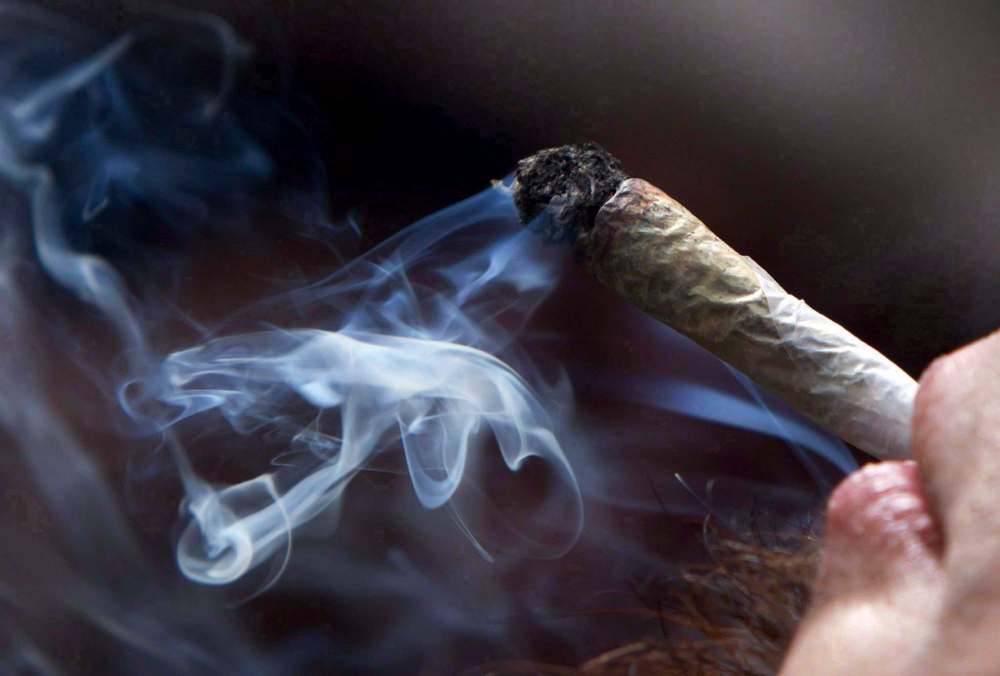
A joint: a cannabis cigarette.
J is for Joint
Or jay. Or spliff. Or fatty (depending on its, girth). These are all words for cannabis cigarettes. A blunt, however, is a hollowed-out cigar filled with cannabis.
K is for Kush
Now, let us (lettuce?) venture into the world of strains. Cannabis growers breed plants for certain traits, and name them accordingly. Kush is a term often applied to cannabis indica. (Kush is also the name of a Winnipeg graffiti artist, in case you were wondering what all those ‘Kush for mayor’ signs are all about.)
L is for Legalization
Canadian adults can legally smoke ‘em if they’ve got ‘em as of Oct. 17, 2018 — provided they follow all their respective provincial rules and regulations, that is.
M is for Munchies
There is truth in the well-worn stereotype: cannabis, famously, is an appetite stimulator, which you probably know if you’ve ever, like, seen a movie. No one craves broccoli after blazing some broccoli, though. The munchies are all about the salt, sugar and fat.
Ted S. Warren / The Associated Press
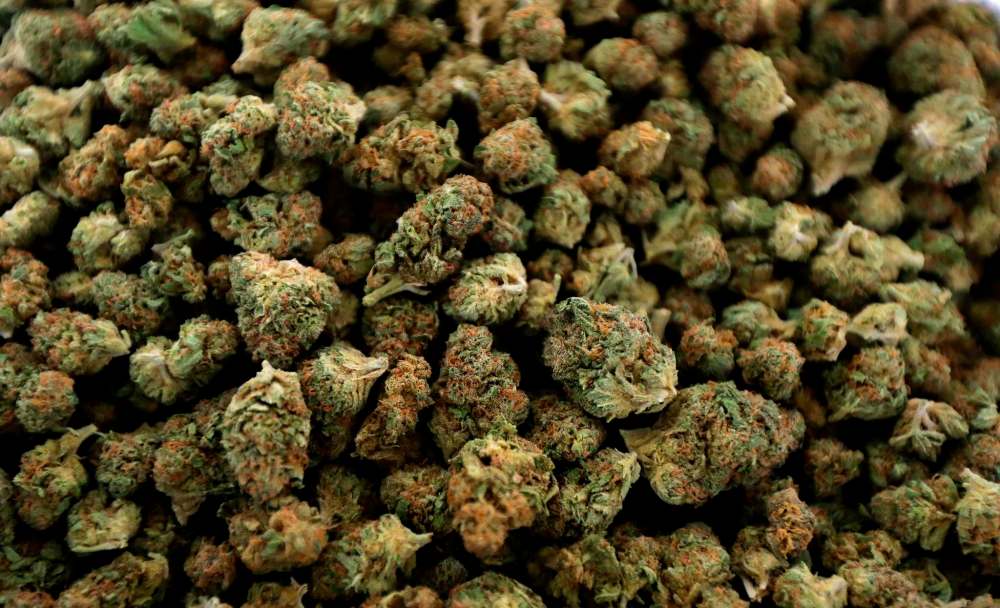
Nugs of marijuana.
N is for Nug
A nug, or nugget, is a piece of the cannabis bud that have been dried and cured. Some use the word “nug” to describe high-quality cannabis. #nuglife
O is for Oil
Cannabis oils are extracted from cannabis plants. CBD oil is said to help treat everything from anxiety to sleep problems to inflammation.
P is for Paraphernalia
Think bongs, pipes, one-hitters (a small pipe), vaporizers, rolling papers, grinders, “stash” boxes, or anything else you might find at your local head shop. Head shops have existed in a legal grey area, which is why many claim their products are for “tobacco use only” — Bob Marley iconography notwithstanding.
Q is for… actually, there is no Q.
R is for Roach
Now we’re getting, er, granular. A ‘roach’ is the butt of a joint, too small to smoke without a roach clip (see also: Paraphernalia). Several roaches can be rolled into a joint. Roaches are said to be stronger because they are more concentrated.
RICHARD VOGEL / THE ASSOCIATED PRESS FILES
A stoner is someone who gets stoned regularly.
S is for Stoner
Slang for someone who gets stoned, or high, usually with regularity. Some cannabis activists have argued that the term is pejorative, tantamount to calling someone who imbibes in alcohol a “drunkard.” To that end, S is also for ‘Stereotype.’ Or ‘Spicoli.’
T is for THC
KENT PORTER / THE PRESS DEMOCRAT
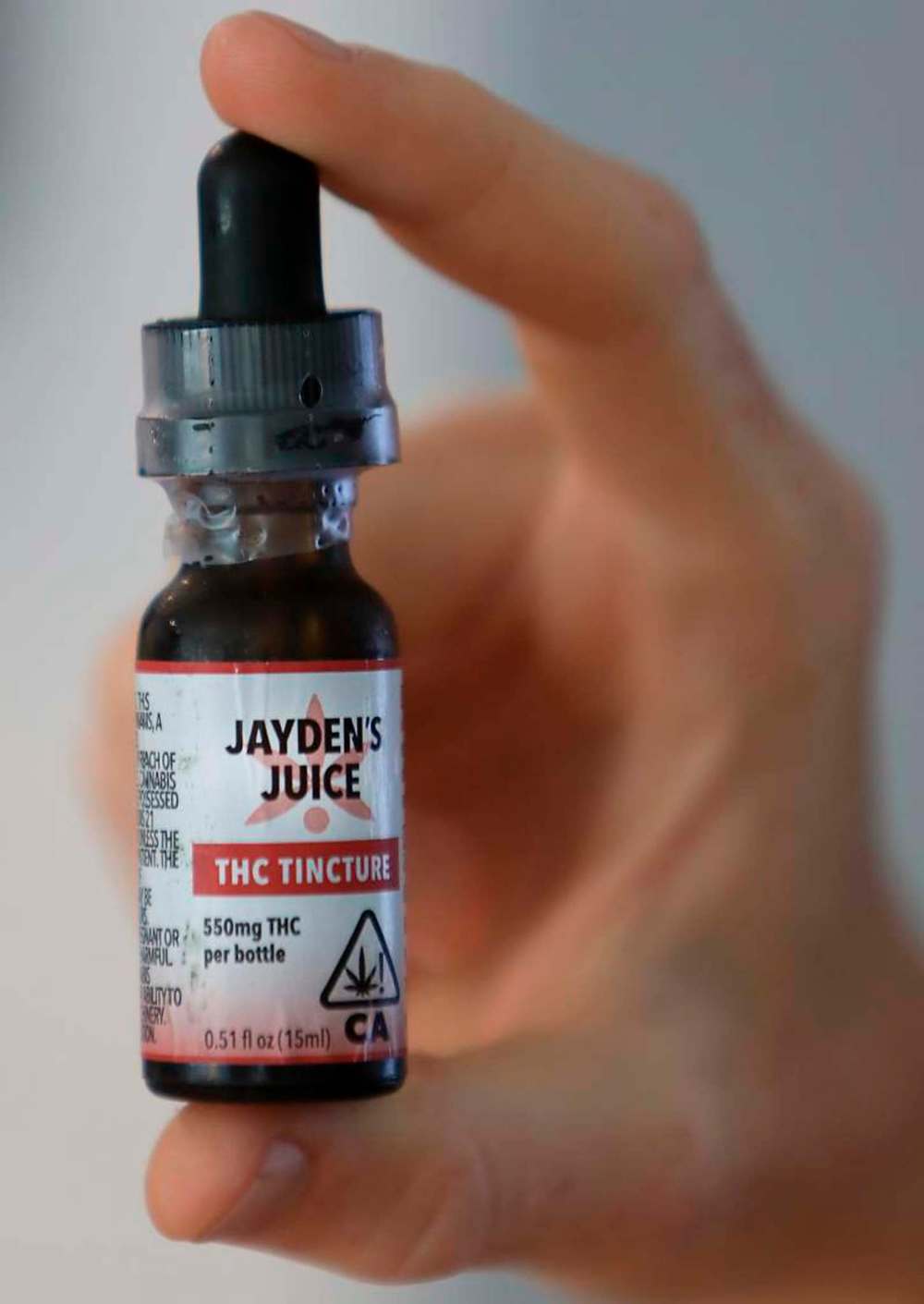
Jayden's Juice is a THC tincture.
An abbreviation for tetrahydrocannabinol, this is main psychoactive compound in cannabis — or, the cannabinoid that gets you high.
U is for Underage
After legalization, you must be 19 years old to use cannabis in Manitoba. People under 19 who get busted with cannabis will face a $672 fine. Supplying cannabis to an underage person is a $2,542 fine.
V is for Vape
Vaping is an alternative to smoking cannabis and, much like e-cigarettes, is increasing in popularity. What’s the difference? Basically, vaping heats the chemicals in cannabis without combusting them, producing vapour as opposed to smoke. While this is an emerging area of research, vaping is said to be less harmful than smoking.
W is for Weed
Weed is arguably the most popular term for cannabis right now, which, as a Slate article posits, might be generational: “In the 1990s, a new generation of users wanted to distance themselves from their parents’ dope or pot.” Meanwhile, many have suggested we should ditch using the term marijuana due to its racist roots, arguing American prohibitionists used the term to villify Mexican immigrants.
X is for ‘X marks the spot’
Although cannabis will be legal come Oct. 17, where you can consume it legally is a different story. Manitobans will not be able to smoke or vape cannabis in public spaces, including sidewalks, parking lots, parks, playgrounds, beaches and pools, outdoor fields or sports venues, educational facilities and patios or decks attached to restaurants. So, your property. You can smoke weed in and on your property.
Y is for “Your life can change in an instant.”
This is the tagline for the federal government’s Don’t Drive High campaign. Per Manitoba Public Insurance: “all drivers suspected by police of being under the influence of any drug can receive an immediate 24-hour roadside licence suspension.”
Z is for Zig-Zag
The Kleenex of rolling papers in terms of brand recognition, Zig-Zag was founded in France in 1855.
jen.zoratti@freepress.mb.ca
Twitter: @JenZoratti
Jen Zoratti Columnist
Jen Zoratti is a columnist and feature writer working in the Arts & Life department, as well as the author of the weekly newsletter NEXT. A National Newspaper Award finalist for arts and entertainment writing, Jen is a graduate of the Creative Communications program at RRC Polytech and was a music writer before joining the Free Press in 2013. Read more about Jen.
Every piece of reporting Jen produces is reviewed by an editing team before it is posted online or published in print – part of the Free Press‘s tradition, since 1872, of producing reliable independent journalism. Read more about Free Press’s history and mandate, and learn how our newsroom operates.
Our newsroom depends on a growing audience of readers to power our journalism. If you are not a paid reader, please consider becoming a subscriber.
Our newsroom depends on its audience of readers to power our journalism. Thank you for your support.
Jen Zoratti Columnist
Jen Zoratti is a columnist and feature writer working in the Arts & Life department, as well as the author of the weekly newsletter NEXT. A National Newspaper Award finalist for arts and entertainment writing, Jen is a graduate of the Creative Communications program at RRC Polytech and was a music writer before joining the Free Press in 2013. Read more about Jen.
Every piece of reporting Jen produces is reviewed by an editing team before it is posted online or published in print – part of the Free Press‘s tradition, since 1872, of producing reliable independent journalism. Read more about Free Press’s history and mandate, and learn how our newsroom operates.
Our newsroom depends on a growing audience of readers to power our journalism. If you are not a paid reader, please consider becoming a subscriber.
Our newsroom depends on its audience of readers to power our journalism. Thank you for your support.
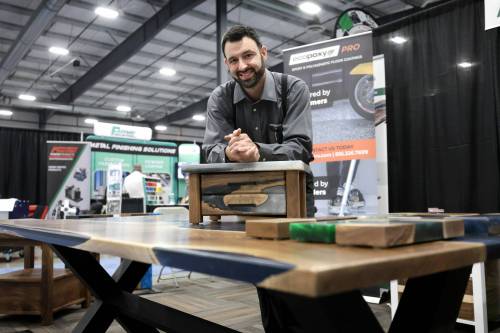
Tucked away at Oak Bluff Hutterite Colony, past rows of communal housing and farm buildings, Aaron Maendel tinkers in a laboratory.
Black-and-white sheets smeared with grey-test formulas cover a counter. A Thermotron — a refrigerator-looking machine — is powered off but standing by to simulate any desired temperature.
Maendel moves to a worktop littered with partly full mixing cups. He pulls out a small, rectangular sample — a sheet showing the drying time of his new fixation, floor coatings.
“Very simple, actually. Very simple machine. Drags a stick through the mud,” Maendel says.
There are times in life when you want to be wrong — like when you walk into the doctor’s office believing your ailment will be the death of you.
It’s the same sort of feeling I get wading through the pile of newly released reports extolling the unrealized “potential” for more value-added processing in Canadian agriculture. There’s this little voice inside my head saying: “I’m from Manitoba. Show me.”
There are jaw-dropping numbers bandied about in various reports from Food and Beverage Canada, the Canadian Chambers of Commerce/PwC and the Canadian Agri-Food Policy Institute. For example, more processing could add $75 billion on top of the $188 billion the sector already generates, create hundreds of thousands more jobs and a bigger domestic market for farmers. The list goes on.
Not to discount the solid analysis behind these efforts. Overall, it all sounds great, although notably missing is any mention of the growing concerns over ultra-processed foods and how that might affect future market growth.
Chris Kitching6 minute readThursday, Oct. 22, 2026
Manitoba’s provincial chief medical officer is resigning from his position at Shared Health, citing the role’s demands and work environment challenges in an email viewed by the Free Press.
Dr. José François, who’s held the executive position since April 2024, sent an email to provincial medical specialty leads that said his final day will be Jan. 17, 2027, after he submitted his resignation Wednesday. Several other senior leaders have departed the provincial health authority in recent months.
“Serving in this role has been a privilege,” François, a longtime family physician from Ste. Anne, wrote in the email.
He said his “greatest pleasure” was working alongside and supporting an “exceptional group” of provincial medical specialty leads and chief medical officers.
Gabrielle Piché4 minute readUpdated: Yesterday at 12:50 PM CDT
The early birds got their cookies.
Klaudia and Jayson Ballantyne were the first in line for the grand opening of Winnipeg’s first Crumbl location at 1570 Regent Ave. West, arriving at 2 a.m. Friday — six hours before the cookie chain was set to open.
The brother and sister brought their lawn chairs and blankets and hunkered down.
Roughly 90 minutes later, by their count, the next customers arrived.
The 2026 grape-growing vintage in the northern hemisphere is done and dusted, with producers in most wine-producing countries having to navigate a growing season that was, to put it mildly, volatile.
European producers in particular struggled with a growing season plagued by a lengthy heat wave, wildfires and hail.
Some producers in Bordeaux, for example, started picking wine grapes for both white and red grapes in August, weeks ahead of when the fruit would normally be brought in from the vineyards. Drought-like conditions resulted in the region’s viticultural regulatory body giving permission to wineries in some sub-regions to irrigate, which they’re not normally allowed to do, and a mid-July hail storm wreaked havoc on grapes.
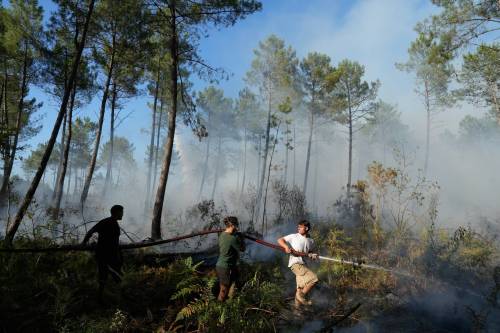
The region was also devastated by wildfires over the summer, which saw thousands flee the region but which mostly spared vineyards, although the effect of smoke may find its way into some wines.