Two-wave U.S. flu season is now the longest in a decade
Advertisement
Read this article for free:
or
Already have an account? Log in here »
To continue reading, please subscribe:

Digital Subscription
One year of digital access for only $205*
- Enjoy unlimited reading on winnipegfreepress.com
- Read the E-Edition, our digital replica newspaper
- Access News Break, our award-winning app
- Play interactive puzzles
*First annual payment billed as $205.00 + GST for one year. This annual subscription will automatically renew at $233.00 + GST every 52 weeks (10% off the regular annual price of $259.35). Offer available to new and qualified returning subscribers only. Cancel any time.
To continue reading, please subscribe:
Add Free Press access to your Brandon Sun subscription for only an additional
$1 for the first 4 weeks*
- Enjoy unlimited reading on winnipegfreepress.com
- Read the E-Edition, our digital replica newspaper
- Access News Break, our award-winning app
- Play interactive puzzles
*Your next Brandon Sun subscription payment will increase by $1.00 and you will be charged $17.95 plus GST for four weeks. After four weeks, your payment will increase to $24.95 plus GST every four weeks.
Read unlimited articles for free today:
or
Already have an account? Log in here »
Hey there, time traveller!
This article was published 19/04/2019 (2658 days ago), so information in it may no longer be current.
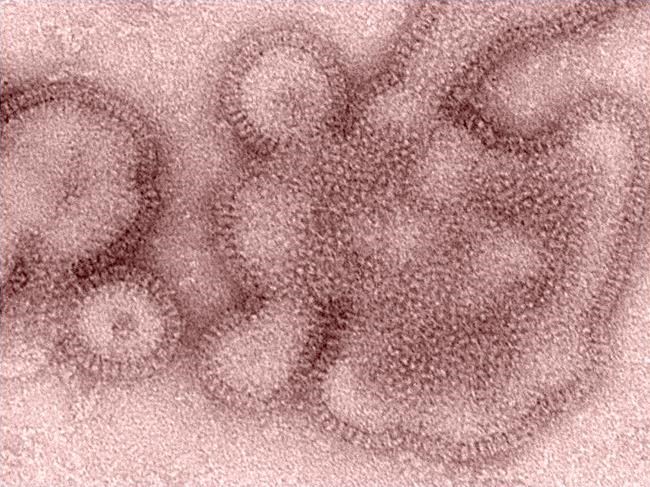
NEW YORK – Three months ago, this flu season was shaping up to be short and mild in the U.S. But a surprising second viral wave has made it the longest in 10 years.
This flu season has been officially going for 21 weeks, according to reports collected through last week and released Friday by the Centers for Disease Control and Prevention. That makes it among the longest seen since the government started tracking flu season duration more than 20 years ago.
Some experts likened the unusual double waves to having two different flu seasons compressed, back-to-back, into one.
“I don’t remember a season like this,” said Dr. Arnold Monto, a University of Michigan researcher who had been studying respiratory illnesses for more than 50 years.
The previous longest recent flu season was 20 weeks, which occurred in 2014-2015.
Flu can cause a miserable, relatively mild illness in many people and a more severe illness in others. Young children and the elderly are at greatest risk from flu and its complications. Flu vaccinations are recommended annually for all but the very young.
The current season began the week of Thanksgiving, a typical start time. At the beginning, most illnesses were caused by a flu strain that tends not to cause as many hospitalizations and which is more easily controlled by vaccines.
But in mid-February, a nastier strain started causing more illnesses and driving up hospitalizations.
Not helping matters: The harsher bug is not well matched to the vaccine, said the CDC’s Lynnette Brammer, who oversees flu tracking.
Still, this flu season is not nearly as bad as last winter’s 19-week season, the deadliest in at least four decades. An estimated 80,000 Americans died of flu and its complications last season.
The CDC is estimating that flu-related deaths this season in the range of 35,000 to 55,000.
More good news: Brammer said that although the virus is notoriously unpredictable, signs suggest this flu season should be over soon.
“It’s on the verge” of being over, she said. “If nothing changes.”
___
The Associated Press Health & Science Department receives support from the Howard Hughes Medical Institute’s Department of Science Education. The AP is solely responsible for all content.