Mexico’s mean streets
Tijuana sex-trade workers caught in a vicious cycle of drugs, abuse
Advertisement
Read this article for free:
or
Already have an account? Log in here »
To continue reading, please subscribe:

Digital Subscription
One year of digital access for only $205*
- Enjoy unlimited reading on winnipegfreepress.com
- Read the E-Edition, our digital replica newspaper
- Access News Break, our award-winning app
- Play interactive puzzles
*First annual payment billed as $205.00 + GST for one year. This annual subscription will automatically renew at $233.00 + GST every 52 weeks (10% off the regular annual price of $259.35). Offer available to new and qualified returning subscribers only. Cancel any time.
To continue reading, please subscribe:
Add Free Press access to your Brandon Sun subscription for only an additional
$1 for the first 4 weeks*
- Enjoy unlimited reading on winnipegfreepress.com
- Read the E-Edition, our digital replica newspaper
- Access News Break, our award-winning app
- Play interactive puzzles
*Your next Brandon Sun subscription payment will increase by $1.00 and you will be charged $17.95 plus GST for four weeks. After four weeks, your payment will increase to $24.95 plus GST every four weeks.
Read unlimited articles for free today:
or
Already have an account? Log in here »
Hey there, time traveller!
This article was published 22/06/2019 (2611 days ago), so information in it may no longer be current.
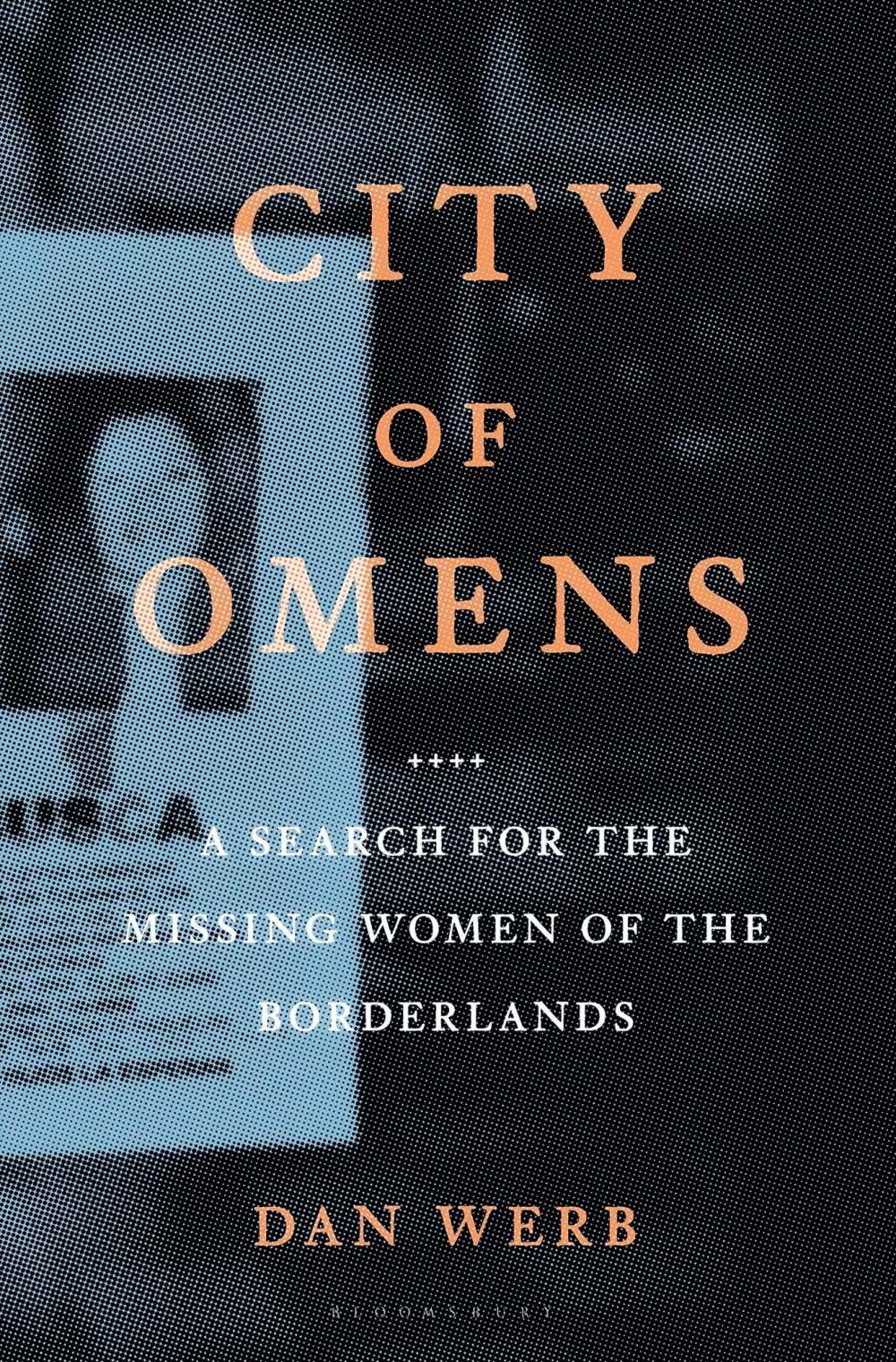
Dan Werb obtained his PhD in epidemiology and biostatistics tracking the behaviour of people who inject drugs in Vancouver’s infamous Downtown Eastside, a place he refers to as “one of North America’s largest open-air illegal drug markets.” He now teaches epidemiology in Toronto and San Diego.
Responding to an invitation in 2013, Werb joined a field research team in Tijuana, Mexico, tracking the behaviour of drug-addicted female sex workers who represented the majority of the ever-increasing numbers of missing and murdered women in and around the border city.
Using a scientific approach to a problem historically handled by law enforcement, he examines three factors that are paramount when studying epidemics such as the Spanish flu or the AIDS crisis: host, environment and pathogens.

Identifying Tijuana’s female sex workers as the “host,” Werb then labels a red-light district of Tijuana known as the Zona Norte the “environment,” while an eclectic mix of drug cartels, sex tourists and corrupt police operating within a flawed social order merge with “pathogens” such as HIV transmissions and drug overdoses that are then killing their host.
What makes the book especially engaging is Werb’s acting as a detective seeking closure to a puzzling case, his interactions with the local population hinting at important clues as he introduces readers to “host members” such as Rosa, 50 years old and servicing three clients a day, showing how difficult it is to break the cycle feeding this particularly lethal public health crisis he calls “femicide.”
Werb’s insightful style weaves tales of abject fear and empathy into the raw data he collects and studies as he interacts with sex workers and police.
His historically accurate accounts of the Mexican government’s war with brazen drug cartels show why even the Mexican army has never been able to sever the cartels’ influence over local police and sex workers, leaving this one particular pathogen-enabler easy access to its host.
The construction of an imposing wall between Tijuana and San Diego, and the U.S. navy’s decision to restrict “shore leave” following a spike in HIV cases, has only raised the stakes for the cartels running the area’s brothels, fuelling a rise in violence within the sinful playground of Zona Norte.
Werb writes that Tijuana’s annual homicide rate jumped from an average of 250 in the early 2000s to “over 2,300 people killed in 2018,” making it one of the world’s most dangerous cities, especially for young women.
His prescription for curbing Tijuana’s femicide is succinct: if sex workers are to remain HIV-negative and alive, they have to avoid the deadly traps of needle-sharing and sexual violence, and governments must curb police harassment that prevents addicts from accessing clinics.
Werb emphasizes time and again how safe, clean injection sites such as those he tracked in Vancouver drastically reduce the spread of HIV amongst users, and points to the social benefits of Portugal’s drug-liberalization laws.
Referring to the large migrant caravan from Central America that wound its way northwards through Mexico in 2018, and the smaller but continuous migrations being stopped at the U.S. border by security personnel, he wonders what becomes of migrants not granted entry, fearing many are enticed to use drugs and become sex workers, assuring a steady supply of hosts for opportunistic pathogens.
City of Omens is a raw but timely exposé, implying that adult playgrounds catering to those who seek sinful pleasures in places not found in their own moralistic backyards make the cure for this particular epidemic elusive at best.
Joseph Hnatiuk is a retired teacher who has strolled Mexico’s beaches, but has never been to Tijuana.