New music
Reviews of this week's CD releases
Advertisement
Read this article for free:
or
Already have an account? Log in here »
To continue reading, please subscribe:

Digital Subscription
One year of digital access for only $205*
- Enjoy unlimited reading on winnipegfreepress.com
- Read the E-Edition, our digital replica newspaper
- Access News Break, our award-winning app
- Play interactive puzzles
*First annual payment billed as $205.00 + GST for one year. This annual subscription will automatically renew at $233.00 + GST every 52 weeks (10% off the regular annual price of $259.35). Offer available to new and qualified returning subscribers only. Cancel any time.
To continue reading, please subscribe:
Add Free Press access to your Brandon Sun subscription for only an additional
$1 for the first 4 weeks*
- Enjoy unlimited reading on winnipegfreepress.com
- Read the E-Edition, our digital replica newspaper
- Access News Break, our award-winning app
- Play interactive puzzles
*Your next Brandon Sun subscription payment will increase by $1.00 and you will be charged $17.95 plus GST for four weeks. After four weeks, your payment will increase to $24.95 plus GST every four weeks.
Read unlimited articles for free today:
or
Already have an account? Log in here »
Hey there, time traveller!
This article was published 12/12/2019 (2457 days ago), so information in it may no longer be current.
ROCK
The Who
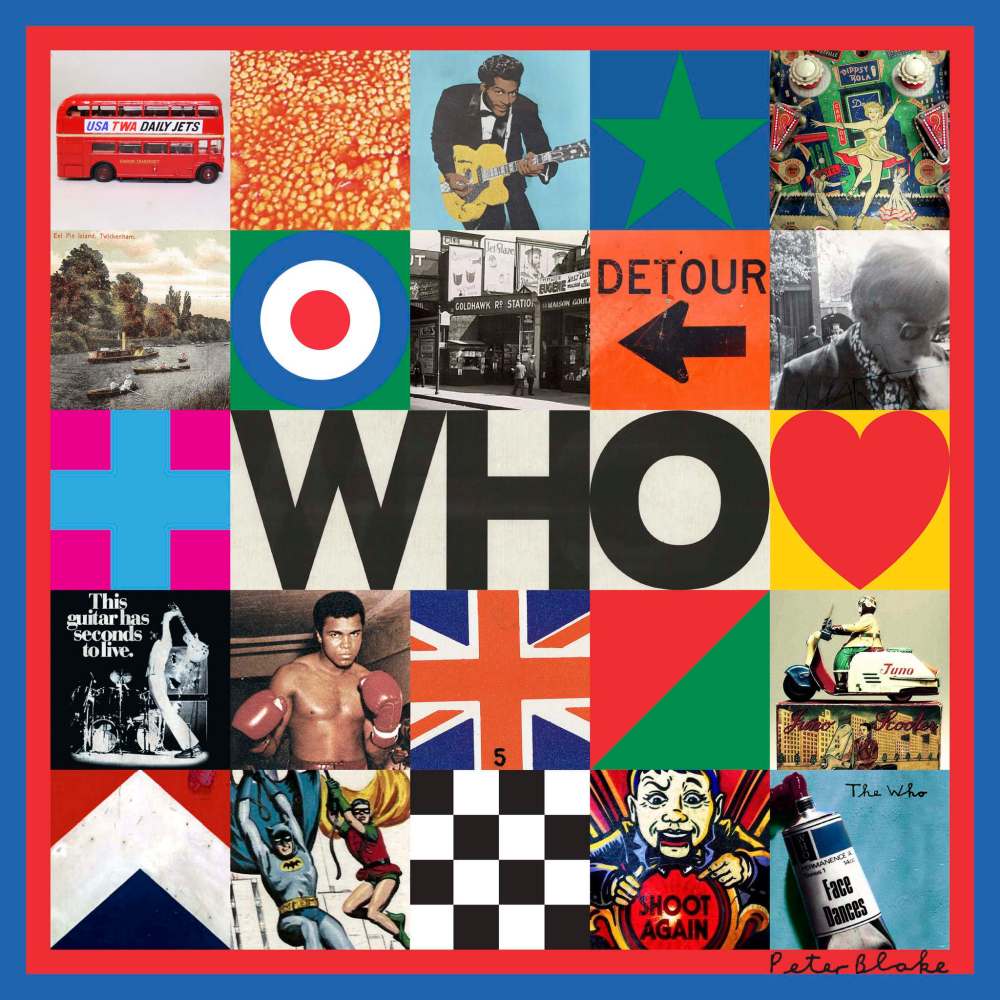
Who (Interscope)
While frequently joining forces for tours and other projects, Pete Townshend and Roger Daltrey have released just two studio albums as the Who since 1982, with 2006’s Endless Wire their last such work until now.
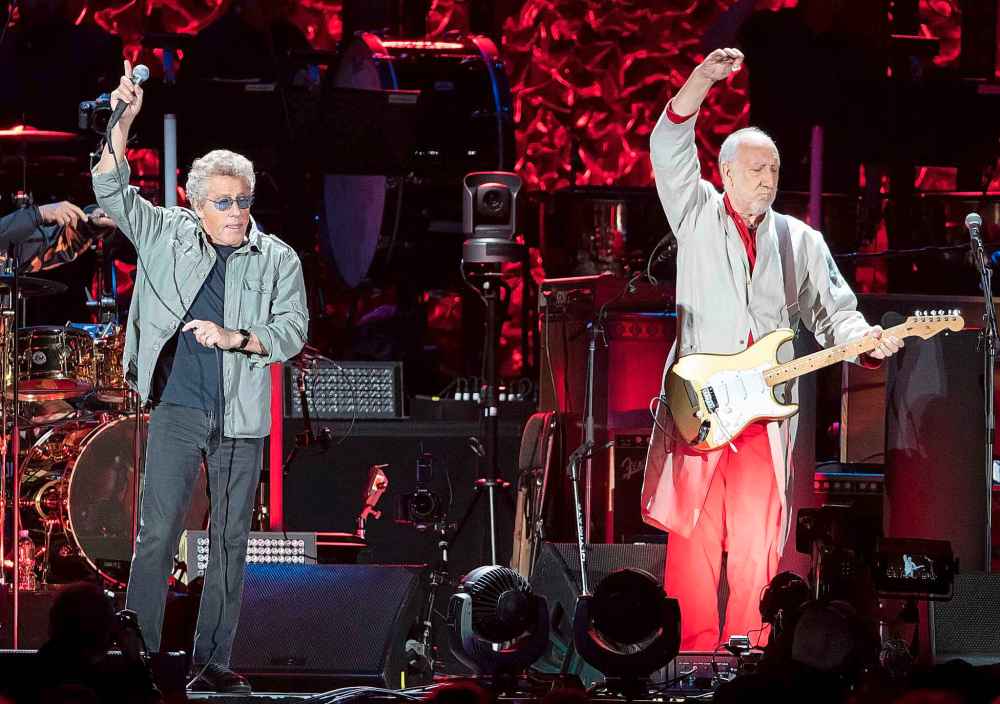
Who sees the pair backed by some of their frequent collaborators since the deaths of drummer Keith Moon in 1979 and bassist John Entwistle in 2002, such as drummer Zak Starkey and bassist Pino Palladino. Others include drummers Joey Waronker and Carla Azar, bassist Gus Seyffert and keyboard player Benmont Tench.
Still, all the splendid backing notwithstanding — and not forgetting co-producer and multi-instrumentalist D. Sardy, either — it’s the high standards of the Who’s last remaining trademarks, Townshend’s songwriting and guitar playing and Daltrey’s superlative singing, that make the album such a joy.
Townshend has written a strong batch of songs full of yearning and confronting the passage of time, many carrying shades and echoes of his past work; he rips power chords and performs slinky riffs; and his vocals, especially in support of Daltrey’s leads, are still a highlight.
Daltrey, for his part, with health concerns behind him, sings with power, sensitivity, range and conviction, just as he has done for decades.
While it doesn’t have the same of air of finality as Leonard Cohen’s You Want It Darker, based on their recording habits of the past decades, Who may well be their last studio album.
The catchy, propulsive opener All This Music Must Fade seems like a message about Townshend and Daltrey’s difficult relationship, even though that seems to have mellowed: I don’t care/I know you’re gonna hate this song. And that’s it/We never really got along.” It may also be a missive to their fans and closes with what will become Townshend’s most famous last words since his “I saw ya” at the end of Happy Jack.
Ball and Chain, Street Song and Beads on One String are topical, but many other of the 11 tracks (plus three on the deluxe edition) are simultaneously defiant, vulnerable and contemplative, with aging repeatedly rearing its head.
On the rousing Rocking in Rage, like a coda to Quadrophenia, the talk is still about their generation: “I thought I’d be calmer/Not rocking in rage, even if I’m too old to fight.” It’s a shiver-inducing Daltrey performance.
Townshend sings lead on I’ll Be Back, a nostalgic tune with strings and harmonica, that seems lifted from his All the Best Cowboys Have Chinese Eyes 1982 solo album.
On I Don’t Wanna Get Wise, Daltrey seems to have changed some of the lyric sheet’s “I” pronouns into “he,” “we” and “us,” as if making space for himself in the rocking mini-biography of a song — “He was drunk/I was blind/Though we tried to be kind” — and belting out a “We got wise” at the end.
Thankfully, it’s much too late for Daltrey and Townshend to die before they get old, so with Who, they show that even in rock ‘n’ roll, it’s possible to age both with grace and vigour and without abandoning purpose — or lose the talent to make stirring, highly gratifying music.
★★★1/2
— Pablo Gorondi, The Associated Press
POP / ROCK
LOAD
Luce Overload (Independent)
The music bug grabs hold of people and just won’t let them go. So it is with Carrie Forsythe, who has been performing as Luce, the frontwoman of Load, for nearly 25 years.
In the mid-to-late ‘90s, Load’s blend of indie-rock and pop with elements of jazz and trip-hop was one of the brightest sounds emanating from Winnipeg (check out the 1996 album Delicate and 1998’s Encoded and Dirty).
However, as often happens, life intervened and Luce pulled away from the music world to raise her kids and tend to business interests. The music never left her, though. She has kept writing songs and working with friends such as John Stewart, Richard Duguay, Jimmy Creasey, Greg Gardner, Kyle Hauser and Glen Willows, constantly trying out new sounds and styles — all held together by her powerful, expressive voice and, on Load’s rare live appearances, by Luce’s compelling, leonine presence. The album It’s True, released in 2014, was proof she hadn’t lost any of her vocal magic.
Luce Overload, released this past June, is a 14-track mixed bag of originals and an esoteric selection of covers (Peggy Lee’s I Left My Sugar in Salt Lake City, April Wine’s Pretty Lady and a seductive version of Chris Isaak’s Wicked Game). On the whole, the Load tunes are far more interesting, highlighted by the haunting, sultry mood of Unwanted; the beguiling pop/rock, ringing guitar and avant-pop bridge of Awesome Bed (a co-write with Willows); and the tasty modern pop of 2 Hearts. Album closer Sun Up Sun Down, meanwhile, wouldn’t sound out of place on any current chart-topping indie-pop album.
★★★1/2
Stream these: 2 Hearts; Unwanted; Sun Up Sun Down
— John Kendle
ROOTS / COUNTRY
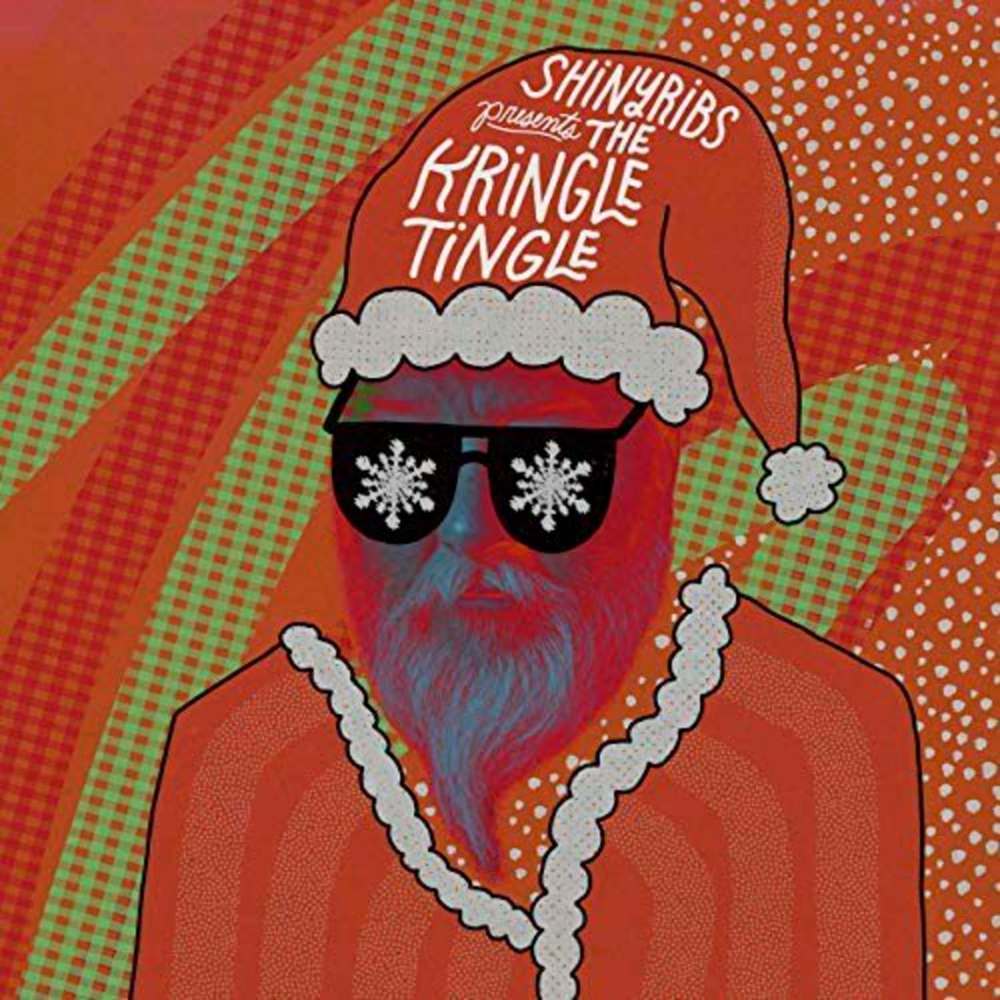
Shinyribs
The Kringle Tingle (Mustard Lid Records)
In an effort to keep the holiday season somewhat less stale, we heartily recommend that it’s always best to at least try to avoid listening to the same old Christmas tunes that your grandparents enjoyed.
Austin, Texas-based eccentric and Shinyribs frontman Kevin Russell, along with his gnarly crew of sidekicks, are back again this year to take a sideways tilt at the seasonal merriment in song and with The Kringle Tingle will make for decidedly less stodgy Yule hijinks.
Opening with the familiar helps, and Shinyribs’ version of A Charlie Brown Christmas seasonal jazzer Linus and Lucy is a cool start. Pianist Winfield Cheek dollops in enough Lone Star attitude to separate the tune from its moorings, and while the song is running makes for a good time to get the tequila shots fixed. Santa’s Got a Brand New Bag and Back Door Santa are both rent-party perfect and add a certain level of funky joviality to the album.
The cantinas of Mexico are never far from the south Texas border, and full homage is paid on the woozy tribute that is Xmas on the Isthmus, a track that you will not be able to convincingly perform at holiday karaoke night without experiencing some dampness of the maw.
Russell doesn’t completely forego dishing out a couple of standards either, and thankfully, the takes on Please Come Home for Christmas and Blue Christmas are brought to renewed levels of enjoyment by his band simply taking care of business in their own inimitable fashion. On the more thoughtful side, there is the late-night mood burnishing Christmas Time in Bossier City, in which a highballing trucker finds love and romance with an interstate working girl.
Your guests with appreciate and thank you for your efforts to change things up musically while you are chowing down on vegan turkey and kombucha and rum spritzers. Happy Holidays!
Stream these: Christmas Time in Bossier City, Santa Comes to Atlanta
★★★1/2
— Jeff Monk
JAZZ
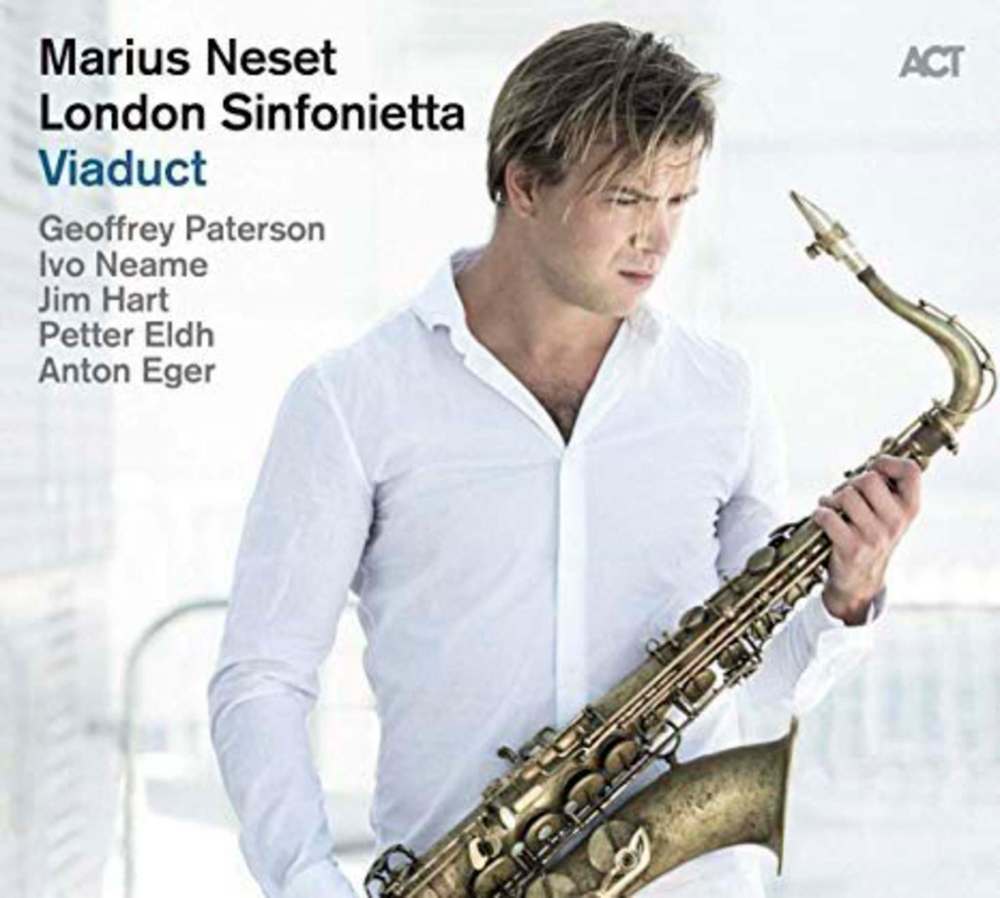
Marius Neset and London Sinfonietta
Viaduct (ACT)
Blending of jazz and classical musical forms has been around for ages but recently with even greater confidence and success.
Norwegian saxophonist/composer Marius Neset has developed an ongoing relationship with the 19-piece London Sinfonietta, led by young conductor Geoffrey Paterson. This new album is the second commissioned work to be recorded with the Sinfonietta and Neset’s quintet: Ivo Neame on piano, Jim Hart on vibraphone, Petter Eldh on bass and Anton Eger on drums.
Viaduct is two suites, and while they both involve all the players, the second features the jazz quintet more prominently. The “classical” component holds its own, with violin or flute solos that augment the mood, which is wonderfully varied from almost movie soundtrack references to moments of free expression or dance vibes.
Critics have detected influences from composers like Grieg, Stravinsky and Messianen and Neset’s British mentor Django Bates. From several early movements that conjure wild traffic adventures to the final Latin-flavoured track, the ever-fading line between musical genres is taken to new levels of ambiguity.
Neset goes from strength to strength in his writing that can be frenetic, melodic or relentless. The reality of this is clearly experienced with each listen, as the ideas flow with such power and ease that they can bely the underlying skill and beauty. The quintet shines throughout, confirming the intensity and closeness between each musician involved. Conductor Paterson plays a big part because, in some sense, the jazz quintet and orchestra are establishing new rules of engagement. Highly recommended.
★★★★1/2
Stream these: Viaduct Pt. 1B, Pt. 2A
— Keith Black
COUNTRY
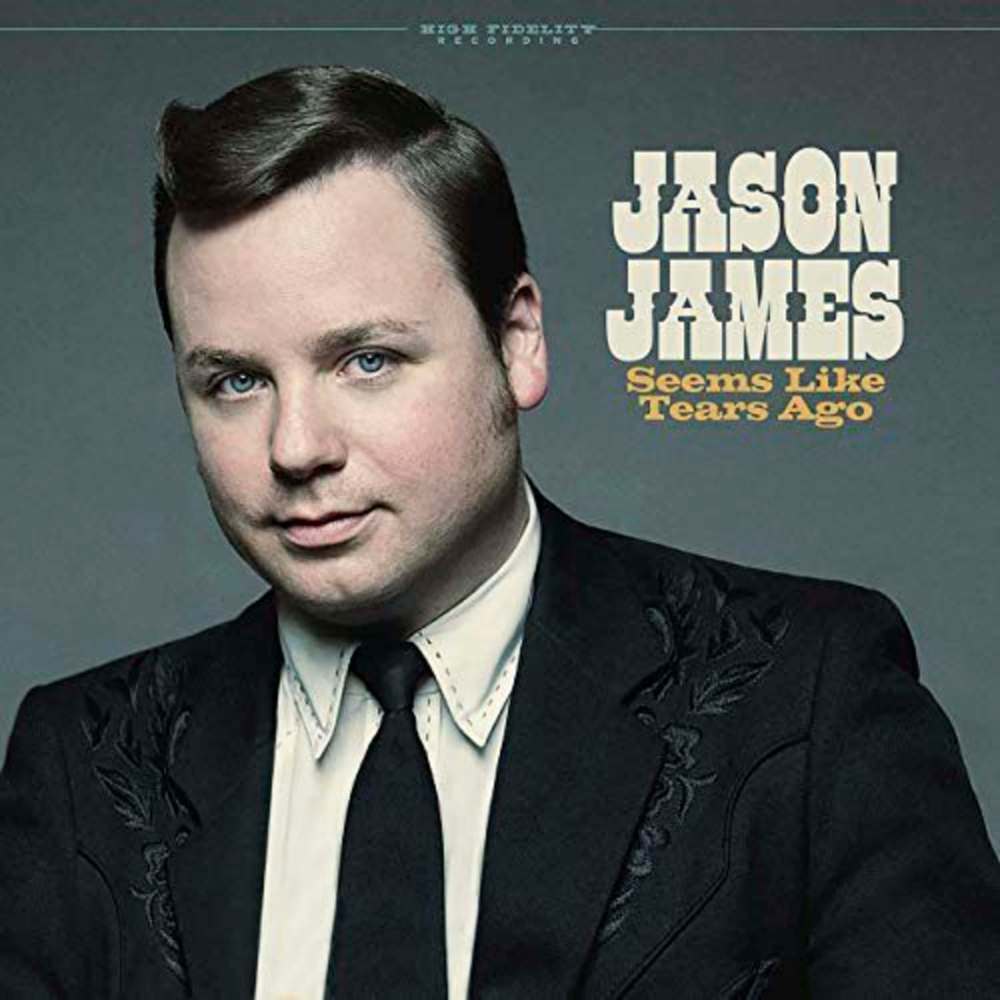
Jason James
Seems Like Tears Ago (Melodyville)
George Jones. Hank Williams. Buck Owens. You’ll hear echoes of them all, and more, in the fantastic second album by Jason James. The young Texan doesn’t just replicate the steel-and-fiddle-driven sounds of classic country with unerring and uncompromising precision. He has thoroughly absorbed them as a vehicle for his own artistic expression, one that, in the best country tradition, taps into deep wells of real emotion.
He opens with the title song, a mid-tempo ballad in which the phrasing he uses with his warm baritone immediately recalls the clenched intensity of Jones. It also sets the table for an album that delivers a lot of heartache, with other Possum-like numbers such as I Miss You After All, Achin’ Takin’ Place and Ole Used to Be.
We’re Gonna Honky-Tonk Tonight is a lively two-stepper that’s cousin to Hank’s Honky Tonkin, and the Cajun-flavoured Cry on the Bayou brings to mind the Hillbilly Shakespeare’s Jambalaya. Meanwhile, the chugging Move a Little Closer nods to Buck and Bakersfield and, like the title song, showcases James’s way with country wordplay: “I got more bags under my eyes than you left with last night.”
The happiest song here is Simply Divine. Which is also a good description of this album.
★★★1/2
Stream these: Move a Little Closer, Simply Divine
— Nick Cristiano, Philadelphia Inquirer
CLASSICAL
The Janácek Trio, the Auriga String Quartet
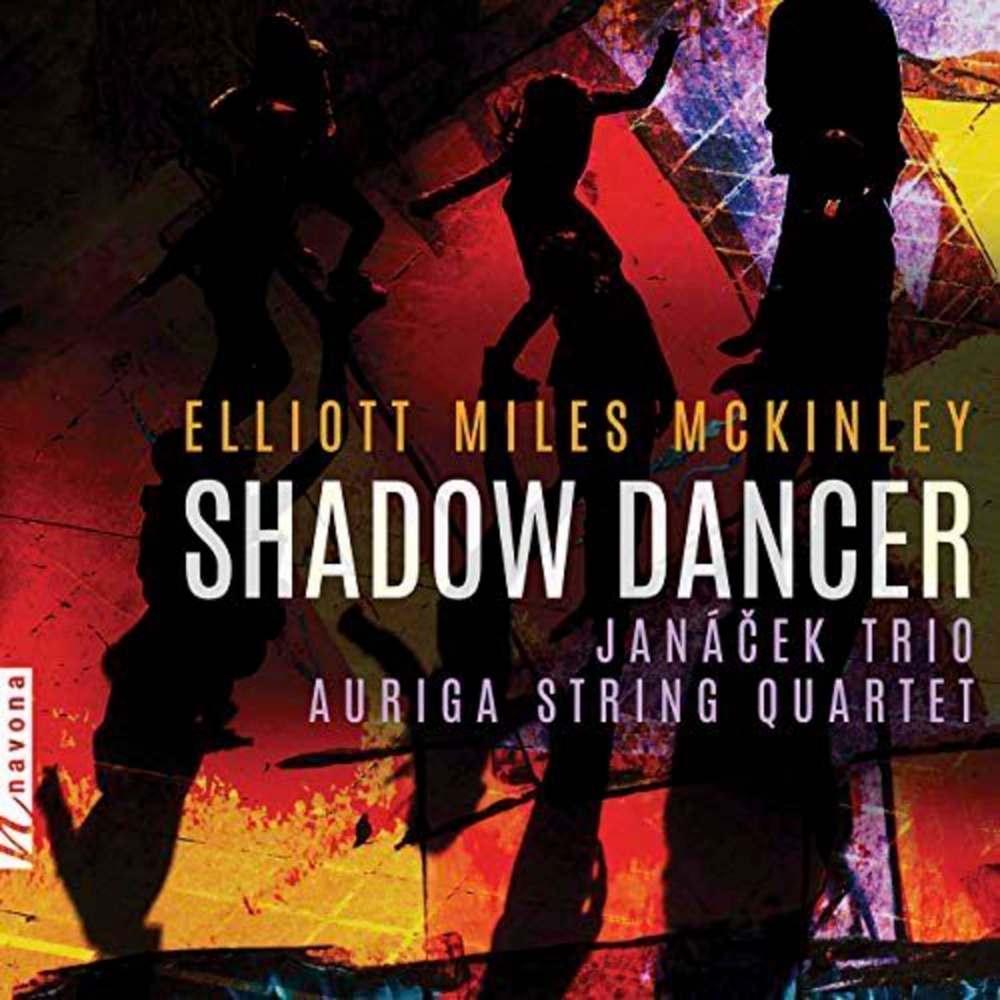
The Shadow Dancer (Navona Records)
This album features a trio of chamber works by American composer Elliott Miles McKinley and is inspired by a single theme: memories of love. Attempting to answer that through musical questions is what makes the world go round.
However, it quickly becomes apparent there are no pat conclusions, with two acclaimed ensembles: the Janáček Trio and Auriga String Quartet ably navigating the treacherous technical demands of each work.
The introspective album’s first offering, String Quartet No. 8, unfolds as three tightly conceived, highly compact movements, including the opening Sonata-Fantasy, a more lugubrious Nocturne and finally, bristling Rondo: Ritornello. Each section fuelled by dissonance showcases extended instrumental techniques, including snap pizzicato, multiple stops and pointillist effects, with the composer wisely including plenty of pregnant pauses along the way to allow the ear to absorb each movement’s often knottier textures.
A Letter to Say I Love You, and Goodbye becomes a plaintive, one-movement commentary teeming with melancholy, underscored further by the repeated droning of piano chords that provides ballast to the solo cello’s rapturously lyrical lines before drawing to a hushed close of acceptance, with both instrumental voices trickling into the ether.
The longest work is the album’s namesake suite, The Shadow Dancer, scored in six contrasting movements depicting dancing in “brilliant sunlight,” “soft moonlight,” “shimmering starlight,” “hope,” “dreams” and finally “infinity.” It is here where McKinley shows his true hand at crafting evocative miniatures that, and while arguably not works for the proverbial desert island, still offer a personal interpretation of love itself — if only living in the long shadows of fading memory.
★★★1/2
STREAM THIS: A Letter to Say I Love You, and Goodbye
— Holly Harris