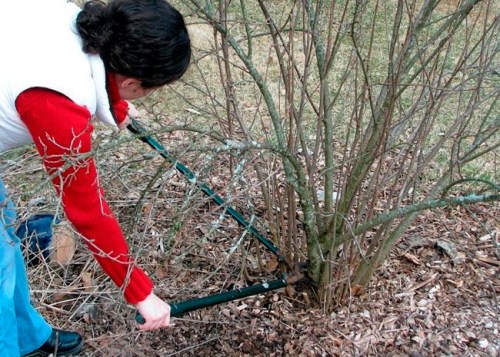
March is a great time to prune many shrubs, but not all
Advertisement
Read this article for free:
or
Already have an account? Log in here »
To continue reading, please subscribe:

Digital Subscription
One year of digital access for only $205*
- Enjoy unlimited reading on winnipegfreepress.com
- Read the E-Edition, our digital replica newspaper
- Access News Break, our award-winning app
- Play interactive puzzles
*First annual payment billed as $205.00 + GST for one year. This annual subscription will automatically renew at $233.00 + GST every 52 weeks (10% off the regular annual price of $259.35). Offer available to new and qualified returning subscribers only. Cancel any time.
To continue reading, please subscribe:
Add Free Press access to your Brandon Sun subscription for only an additional
$1 for the first 4 weeks*
- Enjoy unlimited reading on winnipegfreepress.com
- Read the E-Edition, our digital replica newspaper
- Access News Break, our award-winning app
- Play interactive puzzles
*Your next Brandon Sun subscription payment will increase by $1.00 and you will be charged $17.95 plus GST for four weeks. After four weeks, your payment will increase to $24.95 plus GST every four weeks.
Read unlimited articles for free today:
or
Already have an account? Log in here »
Hey there, time traveller!
This article was published 10/03/2020 (2383 days ago), so information in it may no longer be current.
Don’t prune your forsythia, lilac or mock orange yet. Anything you cut off now will result in that much less of a flower show this spring.
Except for these and many other spring-flowering shrubs, however, March is a fine time for pruning many trees and shrubs. It’s easy to see what to cut on leafless plants, and cuts heal quickly. So here’s a list of some pruning jobs to take on now.
GET YOUR TOOLS READY
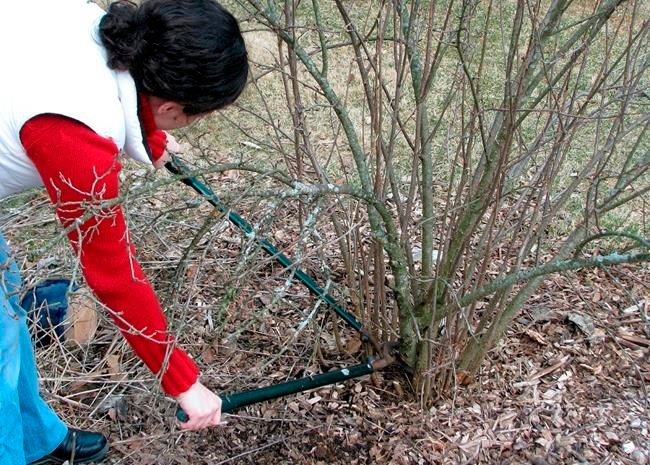
Before you start, sharpen your pruning tools. Plants heal most quickly from the clean cuts that result from sharp tools. Get out a whetstone or file to touch up blades on hand shears and loppers.
With an anvil-type pruning tool, where a sharp blade closes against the flat edge of an opposing blade, sharpen only the sharp blade, on both sides.
With a bypass-style tool, which has two sharpened blades sliding past each other like scissors, sharpen both blades, but each only on its outside edge.
FOR BEAUTY
Prune summer flowering shrubs such as butterfly bush and summersweet clethra severely, today or sometime before growth begins. These plants bloom only on new shoots, and the more new growth they make, the better the bloom. Stimulate luxuriant new growth by lopping these plants to within a few inches of the ground.
As soon as buds start to swell on hybrid tea roses, remove wood chips, Styrofoam rose cones or any winter protection you’ve provided, and prune. Cut any canes blackened by disease or winter injury back to healthy tissue. Then shorten remaining healthy stems according to the size of the plant and the number and size of blossoms you desire.
As a general guide, cut weak rose stems back to about a half-foot and strong ones to a foot or more. Less severe pruning results in a plant that is larger, with blossoms that are more abundant and earlier, but smaller.
Prune shrubby dogwoods (Tartarian, silky, bloodtwig, gray and red-osier). Their youngest stems are the ones that are the brightest yellow or red in winter. Cut to the ground some or all of the older stems to make way for new ones that will provide next winter’s show.
Shrubs such as witch hazel, flowering quince and rose-of-Sharon require little regular pruning. Do look them over now, though, and cut away diseased or dead wood, as well as any stems that are obviously out of place, either visually or because they are rubbing other stems.
Prune hydrangea according to what kind it is. Hills-of-snow (smooth hydrangea) flowers on long, new shoots later in summer, so cut all stems down to the ground now. Also prune bigleaf hydrangea and oakleaf hydrangea, but shorten stems only a tad, back to the fat flower buds near their ends. Prune the tree-like PeeGee Hydrangea very little, snipping off old flower heads if you find them unattractive and removing and shortening stems here and there.
FOR Flavour
Shrubs bearing edible fruits, although they blossom in early spring, do need pruning — now. That will increase the quality of fruits by letting the plant pump more of its energy into perfecting fewer of them. Pruning also allows stems to bathe in more light and air.
Since most of these shrubs blossom in spring and those blossoms go on to become fruits, their stems shouldn’t all be lopped to the ground. Instead, some of the oldest stems should be lopped to the ground to make way for younger ones, and some of the youngest ones should be lopped to the ground so the remaining ones don’t crowd each other as they age. What’s left are some older, some middle-age and some young stems.
How old is a stem when it’s time for its removal? That depends on the type of plant. For instance, blueberry stems are most productive on stems up to 6 years old, and gooseberries on stems 2 and 3 years old. So cut away stems older than 6 from blueberry bushes, and stems older than 3 from gooseberry bushes.

Red raspberries are a little different. They bear on stems in their second season. Prune by lopping to the ground any stems that bore fruit, as evidenced by remains of fruit stalks and peeling bark. That leaves an abundance of stems that first grew last year and will bear this year. Remove enough of them to leave the sturdiest and healthiest ones with about 6 inches of space between them.
“Everbearing” raspberries bear fruit on both first- and second-season canes. For a harvest season from midsummer through fall, prune as described above. But for the easiest of all pruning, just mow the whole planting to the ground now. This pruning does sacrifice the midsummer harvest, but you still get a late summer and fall harvest.
By the way, those forsythias, lilacs and mock oranges do need annual pruning, but the time to do it is right after their flowery show is complete.
___
Lee Reich writes regularly about gardening for The Associated Press. He has authored a number of books, including “The Pruning Book” and “Grow Fruit Naturally.” He blogs at http://www.leereich.com/blog. He can be reached at garden@leereich.com.