Seasons of change
Methodical examination of Middle East uprisings offers valuable insight
Advertisement
Read this article for free:
or
Already have an account? Log in here »
To continue reading, please subscribe:

Digital Subscription
One year of digital access for only $205*
- Enjoy unlimited reading on winnipegfreepress.com
- Read the E-Edition, our digital replica newspaper
- Access News Break, our award-winning app
- Play interactive puzzles
*First annual payment billed as $205.00 + GST for one year. This annual subscription will automatically renew at $233.00 + GST every 52 weeks (10% off the regular annual price of $259.35). Offer available to new and qualified returning subscribers only. Cancel any time.
To continue reading, please subscribe:
Add Free Press access to your Brandon Sun subscription for only an additional
$1 for the first 4 weeks*
- Enjoy unlimited reading on winnipegfreepress.com
- Read the E-Edition, our digital replica newspaper
- Access News Break, our award-winning app
- Play interactive puzzles
*Your next Brandon Sun subscription payment will increase by $1.00 and you will be charged $17.95 plus GST for four weeks. After four weeks, your payment will increase to $24.95 plus GST every four weeks.
Read unlimited articles for free today:
or
Already have an account? Log in here »
Hey there, time traveller!
This article was published 23/05/2020 (2306 days ago), so information in it may no longer be current.
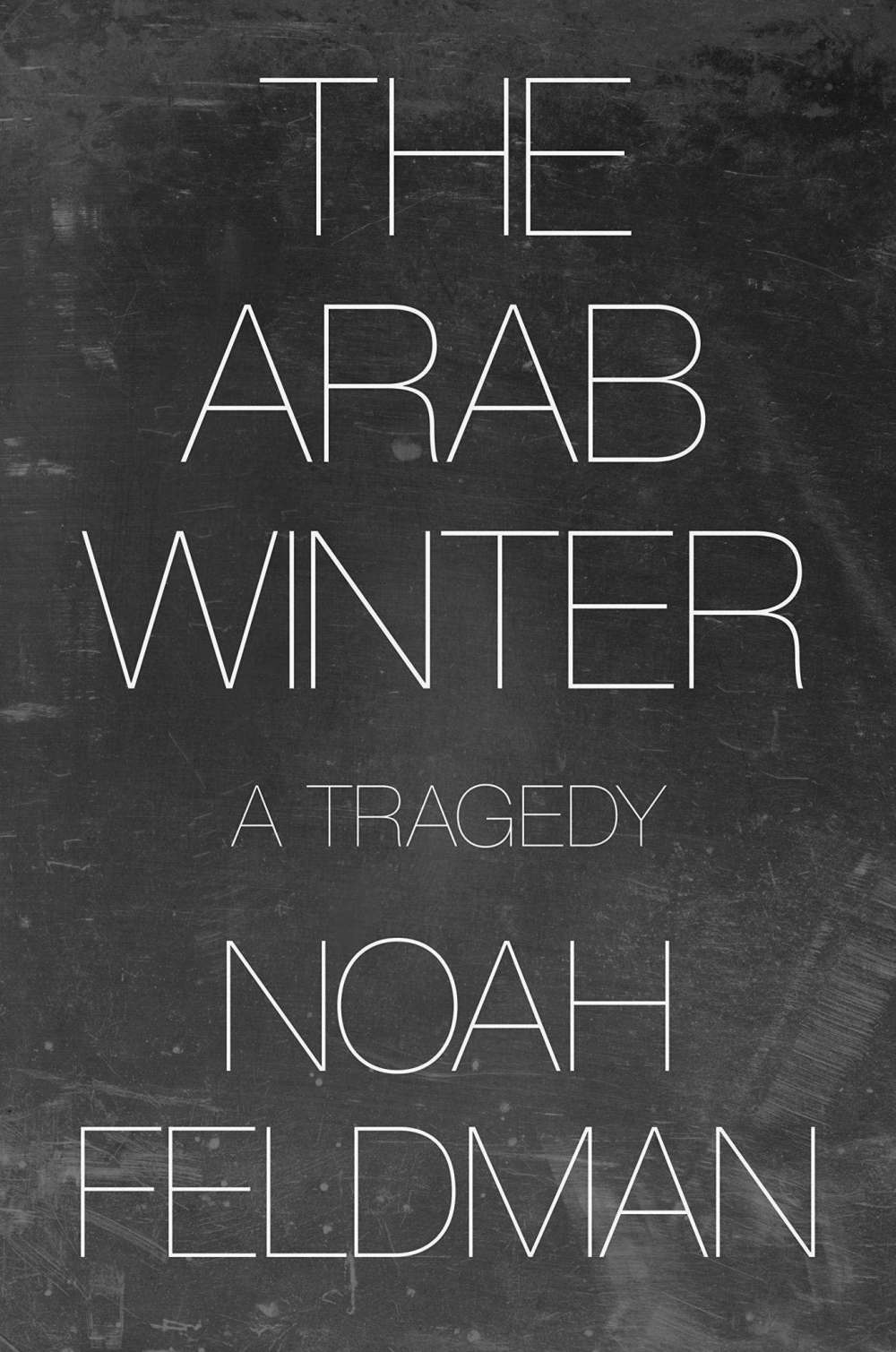
In Noah Feldman’s latest book The Arab Winter, the Felix Frankfurter Professor at Harvard Law School sets out to analyze the phenomenon of the Arab Spring and what came after when the hopes and ambitions of the reformers were mostly thwarted.
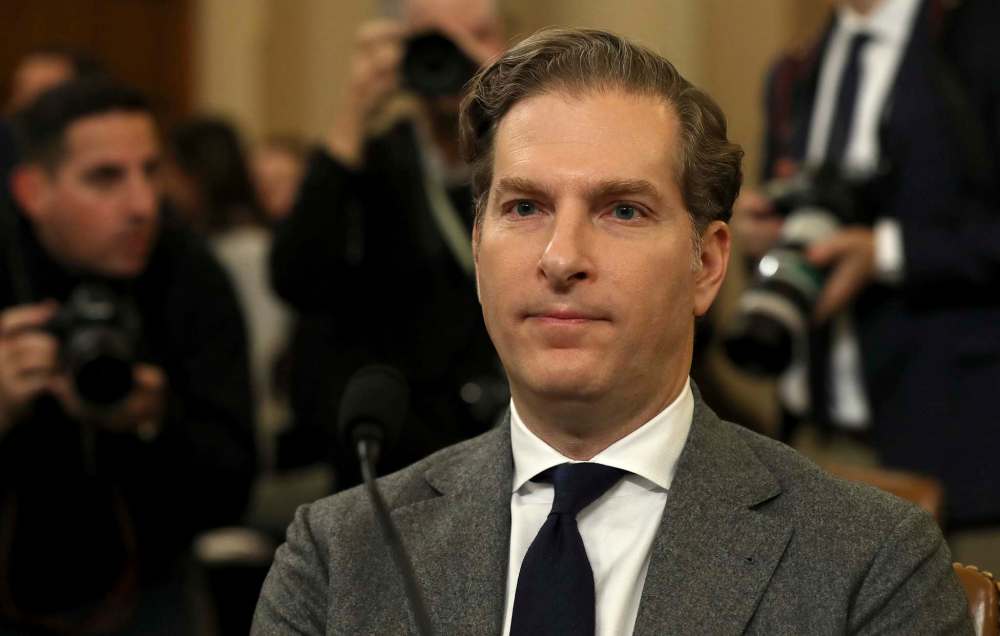
Feldman, a well-regarded legal expert and one of the lawyers called to testify at the impeachment hearings concerning Donald Trump’s high crimes, has given us a list of important books, including 2010’s Scorpions, a collective biography of four of Franklin Delano Roosevelt’s Supreme Court nominees; 2013’s Cool War: The Future of Global Competition, about the tensions between the U.S. and China; and 2017’s The Three Lives of James Madison. In addition to publishing in academic journals, he is also a columnist for the Bloomberg View, an online publication of the Bloomberg organization.
The book sets out a number of questions to be answered, including who the participants in the demonstrations in each Arab Spring country were, what they hoped to achieve and what they actually managed to accomplish.
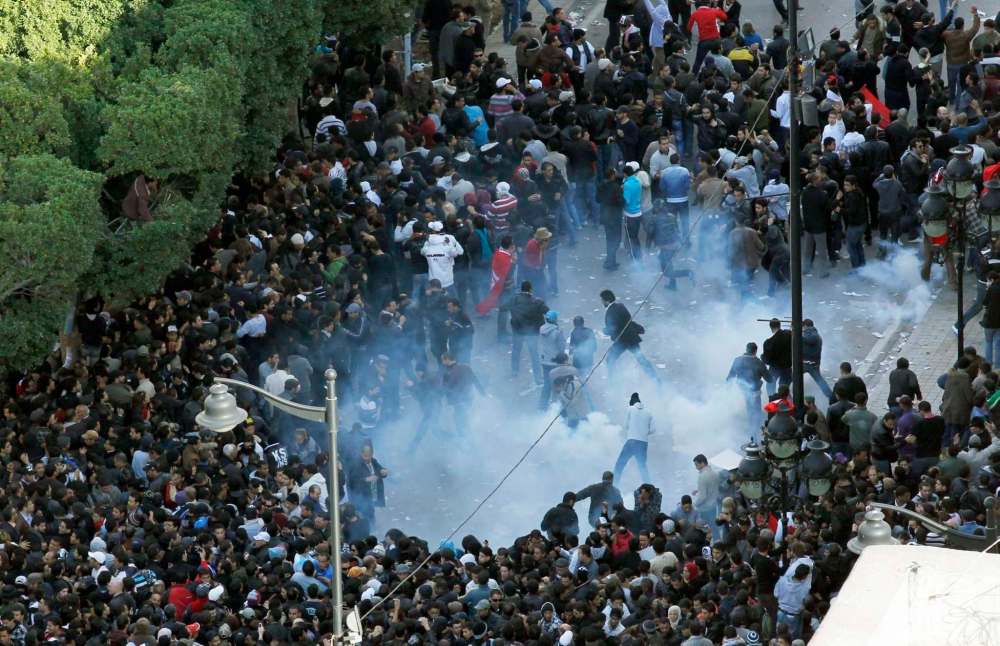
Beginning in Tunisia in 2010, the Arab Spring was a populist movement and uprising against the authoritarian regimes that ruled most Arab countries. Some were and are what Feldman calls presidential dictatorships, and some were (and are) monarchies.
Although they were all Arab countries, Feldman sets out to explore why the results differed so widely from one country to another. Tunisia managed to move from being a presidential dictatorship to a form of liberal democracy with a minimum of violence. At the other end of the Arab world, Syria fell into a horrific civil war, with millions of citizens forced to flee as refugees and many ancient cities destroyed. This war continues today, apparently in its last stages, with the dictator Bashar al-Assad still in power with the support of his allies, Russia and Iran.
Feldman begins with a discussion of Arab Nationalism, the group of ideas that inspired many of the post-Second World War dictators who dominated politics in the Arab world for many years. These heads of state were usually supported by the U.S.S.R. or the United States. The collapse of the Soviet Union and the reticence of the Obama administration, because of the debacle resulting from American intervention in Iraq, have resulted in a lesser role for Russia and the U.S. in more recent events. Both countries are still in the Middle East, but both are interested in reaching a conclusion to the conflicts so their troops can be brought home.
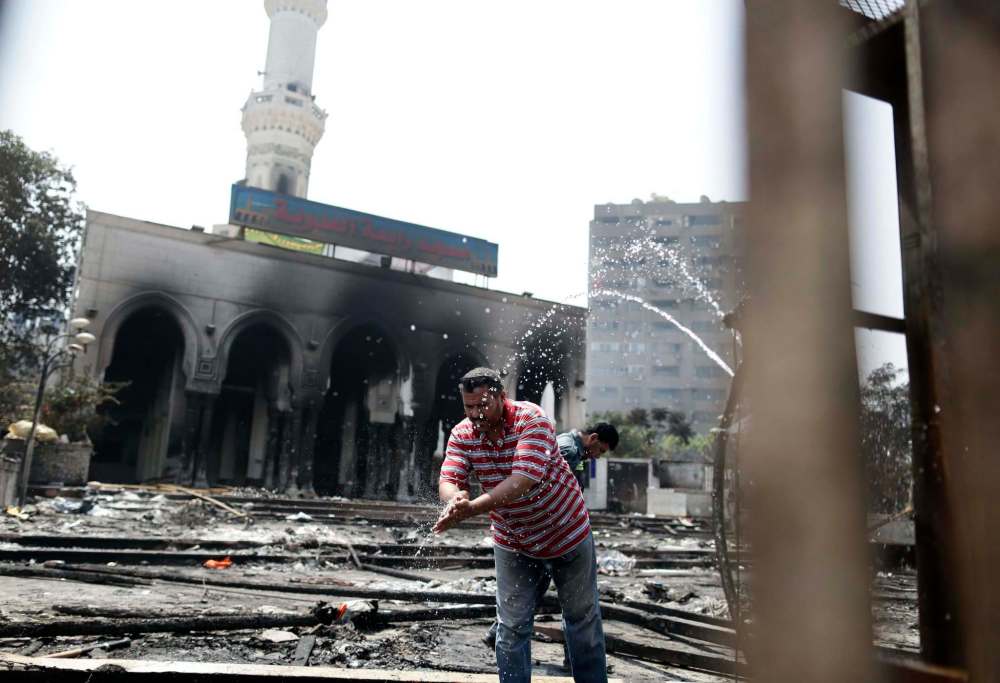
Feldman focuses much of his attention on Egypt. In that country the Arab Spring protesters wanted an end to Hosni Mubarak’s dictatorship, but there was no strong unified movement for what would replace it. The Muslim Brotherhood, a democratic party active in a number of Arab states, won the 2012 general election that followed Mubarak’s fall, and Mohammed Morsi became president of Egypt.
Demonstrations in the streets of Cairo and other cities persisted, with demonstrators appearing to favour a return to military rule. The current president, former general and head of military intelligence Abdel Fattah el-Sisi, emerged as the army’s candidate. That Egypt did not emerge with much in the way of change or improvement is interestingly discussed and analyzed by Feldman.
He also spends a good deal of time analyzing the changes in Tunisia, where the lack of violence and the establishment of a moderate liberal democracy seems to have made that country the only one that succeeded making real change. Feldman explains that the existence of a number of large and influential organizations — a labour union, a union of employers, a lawyers’ organization — helped to create an atmosphere in which slow, careful negotiations and compromise led to the creation of an improved situation while ensuring that changes did not threaten their power.
Looming in the background of all the Arab Winter struggles, the radical groups supporting purely Islamic government — like the caliphate established by the Islamic State (IS) in the ruins of Syria and Iraq — benefited from the chaos. Feldman gives an excellent description of IS in Syria, explaining the ideas informing it and the events that led to its fall.
Feldman’s methodical and unemotional analysis of the Arab Winter that has followed the Arab Spring is a valuable aid in understanding the current state of the Middle East. His subtitle, A Tragedy, seems sadly appropriate by the book’s end.
He also takes some hope for the future based on the events of the past decade — the first example of a largely homegrown movement for change in the Arab world.
Jim Blanchard is a librarian emeritus of the University of Manitoba and the author of a number of books on the history of Winnipeg.