‘He was ready to go’
Trailblazing pastor opts for medical assistance in dying

Advertisement
Read this article for free:
or
Already have an account? Log in here »
To continue reading, please subscribe:

Digital Subscription
One year of digital access for only $205*
- Enjoy unlimited reading on winnipegfreepress.com
- Read the E-Edition, our digital replica newspaper
- Access News Break, our award-winning app
- Play interactive puzzles
*First annual payment billed as $205.00 + GST for one year. This annual subscription will automatically renew at $233.00 + GST every 52 weeks (10% off the regular annual price of $259.35). Offer available to new and qualified returning subscribers only. Cancel any time.
To continue reading, please subscribe:
Add Free Press access to your Brandon Sun subscription for only an additional
$1 for the first 4 weeks*
- Enjoy unlimited reading on winnipegfreepress.com
- Read the E-Edition, our digital replica newspaper
- Access News Break, our award-winning app
- Play interactive puzzles
*Your next Brandon Sun subscription payment will increase by $1.00 and you will be charged $17.95 plus GST for four weeks. After four weeks, your payment will increase to $24.95 plus GST every four weeks.
Read unlimited articles for free today:
or
Already have an account? Log in here »
Hey there, time traveller!
This article was published 22/08/2020 (2225 days ago), so information in it may no longer be current.
As a pastor, professor and leader in the Manitoba and Canadian Mennonite Brethren church, former Winnipegger John Regehr was a trailblazer.
With encouragement from his wife, Mary, he embraced feminism in the 1950s — long before it became acceptable in the denomination.
As a Bible college professor from the 1960s to 1990s, he promoted an inclusive and accepting kind of Christianity that put him at odds with some of members of the denomination.
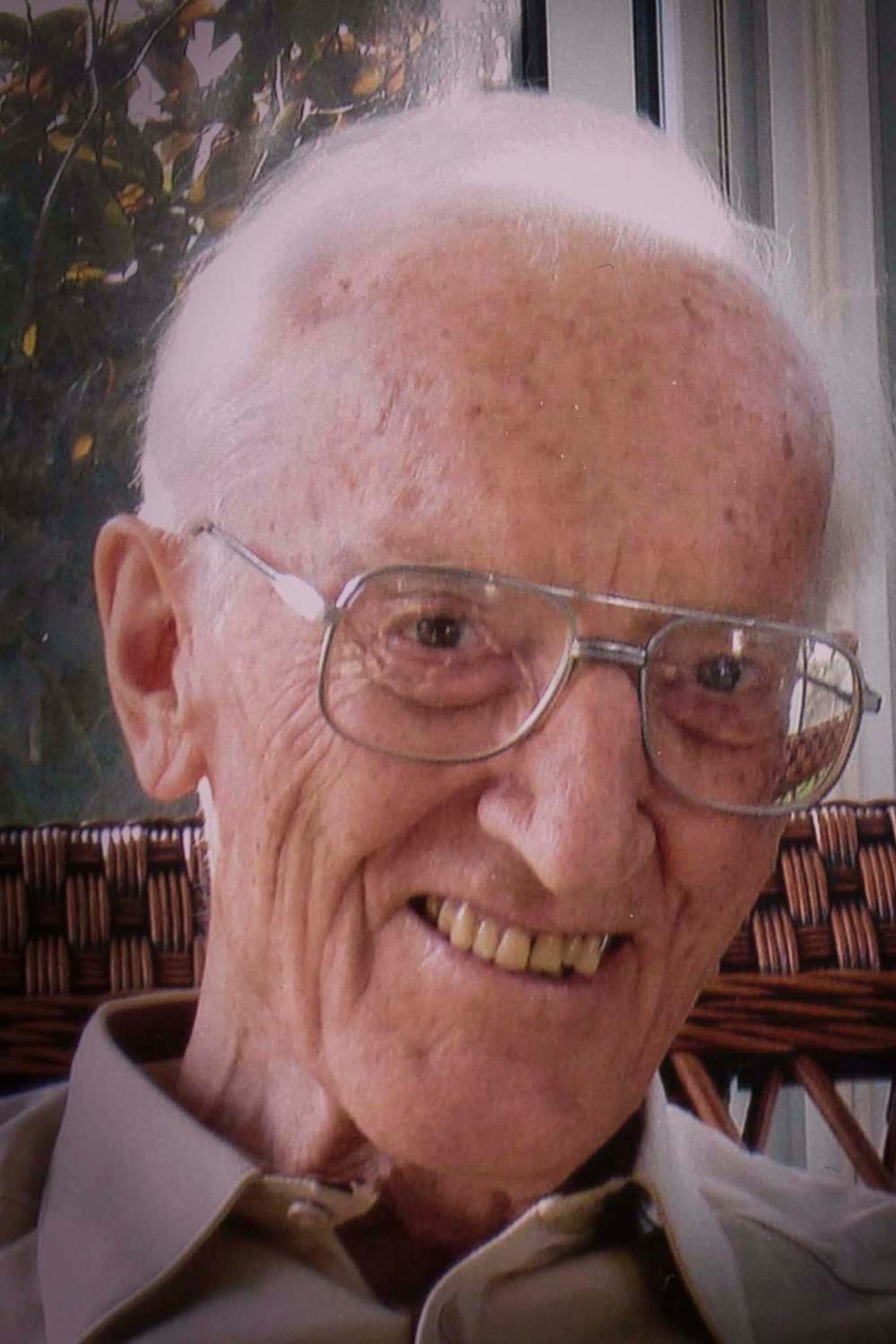
As pastor, he was open and candid about his personal and theological questions and struggles at a time when people expected church leaders to always be confident and strong.
So, it isn’t surprising Regehr, 93, continued his trailblazing ways when he chose medical assistance in dying (MAID) last November.
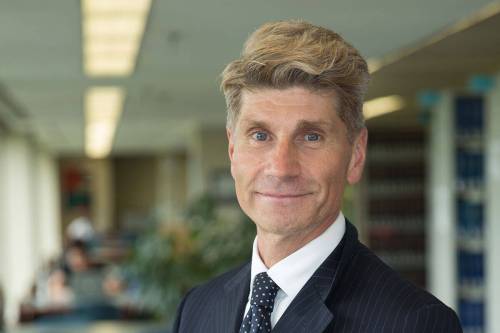
“He was ready to go,” says his son, Rennie, a retired music professor and former first violist with the Winnipeg Symphony Orchestra. “He had lived a full life. He knew it was time.”
For Regehr, a member of the McIvor Mennonite Brethren Church in North Kildonan, the last few years had been difficult. Mary died in 2014. At the age of 90 he needed life-saving heart surgery.
The surgery went well, but a few months later he fell and broke his hip. He recovered, continuing to live independently. But over the next few years there were more falls and more trips to emergency.
On Oct. 18, he was admitted to Concordia Hospital with severe pain in his hip. This time it was clear he would never be able to go back home again.
“He was exhausted. He had no more projects and didn’t want to stay alive for the only purpose of remaining alive,” says Rennie. “He didn’t want to lie in bed for who knows how long, waiting for death to come.”
On Nov. 1, he called his children together for a conversation about death. “He asked us if it was OK for him to die,” Rennie says. “He wanted our support and blessing.”
Regehr’s other son, Mark, admits he was taken aback at first. “I was caught off guard when he suggested it,” he says. “But I quickly saw his point of view.”
While finding it hard to hear his request, daughter Jenny was not surprised; her dad had spoken many times about being ready to die. “He had made his mind up,” she says.
When Regehr asked medical staff about ways to hasten his dying, they suggested he stop eating — an option that didn’t appeal to him. What about MAID; was he eligible? It turned out he was.
“His face lit up,” Rennie says, remembering his reaction upon hearing he qualified.
While the news put Regehr at ease, his family worried his decision might cast a pall over their dad’s life of service to the church.
As Jenny put it, she was supportive of her dad’s decision but concerned about the reaction of others. “I worried this would define his life’s work,” she says.
But when they saw how convinced he was, they offered their full support.
Since Concordia doesn’t allow MAID, on Nov. 7 Regehr was moved by ambulance to Health Sciences Centre.
In his hospital room, Regehr was joined by his family and two pastor friends. Scripture was read and he was asked: “John, can anything separate you from the love of Christ?”
He shook his head emphatically and with a strong voice answered: “No!”
Then, as Rennie played one of his favourite hymns on the viola, Regehr slipped away.
For Rennie, it was a powerful experience.
“To see my dad surrounded by people who loved him deeply, lovingly participating in a compassionate, painless, and comfortable death was overwhelming. It was wrenching and beautiful all at the same time,” he says.
Looking back, the children agree MAID was the right thing for their dad. “He was ready to go,” says Jenny.
As for the church he served for so long, they say their father wanted his decision to start a discussion in his denomination about death and dying.
“When we asked if he wanted us to share this, he said yes,” says Jenny. “I saw his decision as the professor giving his last teaching, or the pastor preaching his last sermon,” says Mark.
For those who might question Regehr’s decision on theological grounds — that only God can decide when someone should die — Rennie says his dad had no doubts.
“The inner work had been done long before,” he says, noting his dad had spent a lot of time thinking and praying about it. “He had complete trust in a loving and accepting God.”
Plus, he adds, his dad “felt he had already played God earlier by deciding to have life-saving heart surgery. He felt death had already come calling for him then, but he had not been willing to go.”

Before he died, Regehr anticipated some might be critical of his decision based on pro-life grounds. He told his kids that anyone who insisted he should have continued in a “torturous, useless struggle to survive” might not really be pro-life from a caring, compassionate point of view, “but more a slave to that ideology.”
Looking back, Rennie says “my dad died in dignity, surrounded by the love of the people he had invited to his passage. He died in a way that was congruent with his theology, with his experience of and with God. And his decision was aligned with who he was as a trailblazer, living slightly ahead of the curve, as a person who thought through issues deeply, and as a person living — and willing to die — by his principles and convictions.”
As for Mark, he has decided to honour and remember his father by having something his dad said tattooed on his arm. “My wings are poised. I’m ready for flight,” it says.
“It’s what he said when the doctor asked if he was ready to die,” Mark says.
faith@freepress.mb.ca
The Free Press is committed to covering faith in Manitoba through our Religion in the News project. This reporting continues because readers like you step forward to fund it.
Donate now to support our reporting on religion.
Your donation is eligible for a charitable tax receipt.
BECOME A FAITH JOURNALISM SUPPORTER
Our newsroom depends on a growing audience of readers to power our journalism. If you are not a paid reader, please consider becoming a subscriber.
Our newsroom depends on its audience of readers to power our journalism. Thank you for your support.
The Free Press is committed to covering faith in Manitoba through our Religion in the News project. This reporting continues because readers like you step forward to fund it.
Donate now to support our reporting on religion.
Your donation is eligible for a charitable tax receipt.
BECOME A FAITH JOURNALISM SUPPORTER
Our newsroom depends on a growing audience of readers to power our journalism. If you are not a paid reader, please consider becoming a subscriber.
Our newsroom depends on its audience of readers to power our journalism. Thank you for your support.
Advertisement Advertise With Us
Advertisement Advertise With Us
The Free Press acknowledges the financial support it receives from members of the city’s faith community, which makes our coverage of religion possible.