
In distress HSC pushed to limit in struggle to keep COVID patients alive
Read this article for free:
or
Already have an account? Log in here »
To continue reading, please subscribe:
Monthly Digital Subscription
$1 per week for 24 weeks*
- Enjoy unlimited reading on winnipegfreepress.com
- Read the E-Edition, our digital replica newspaper
- Access News Break, our award-winning app
- Play interactive puzzles
*Billed as $4.00 plus GST every four weeks. After 24 weeks, price increases to the regular rate of $19.95 plus GST every four weeks. Offer available to new and qualified returning subscribers only. Cancel any time.
Monthly Digital Subscription
$4.99/week*
- Enjoy unlimited reading on winnipegfreepress.com
- Read the E-Edition, our digital replica newspaper
- Access News Break, our award-winning app
- Play interactive puzzles
*Billed as $19.95 plus GST every four weeks. Cancel any time.
To continue reading, please subscribe:
Add Free Press access to your Brandon Sun subscription for only an additional
$1 for the first 4 weeks*
*Your next subscription payment will increase by $1.00 and you will be charged $16.99 plus GST for four weeks. After four weeks, your payment will increase to $23.99 plus GST every four weeks.
Read unlimited articles for free today:
or
Already have an account? Log in here »
Hey there, time traveller!
This article was published 17/12/2020 (1953 days ago), so information in it may no longer be current.
Multiple patients being resuscitated. More patients than normal being moved to palliative care. Nurses who had rarely witnessed patients die, now see death regularly. Thousands of elective surgeries at a standstill.
The scenarios are part of daily life at Health Sciences Centre, as the second wave of COVID-19 crashes through the corridors of the province’s largest hospital like a weeks-long tsunami that shows no sign of receding.
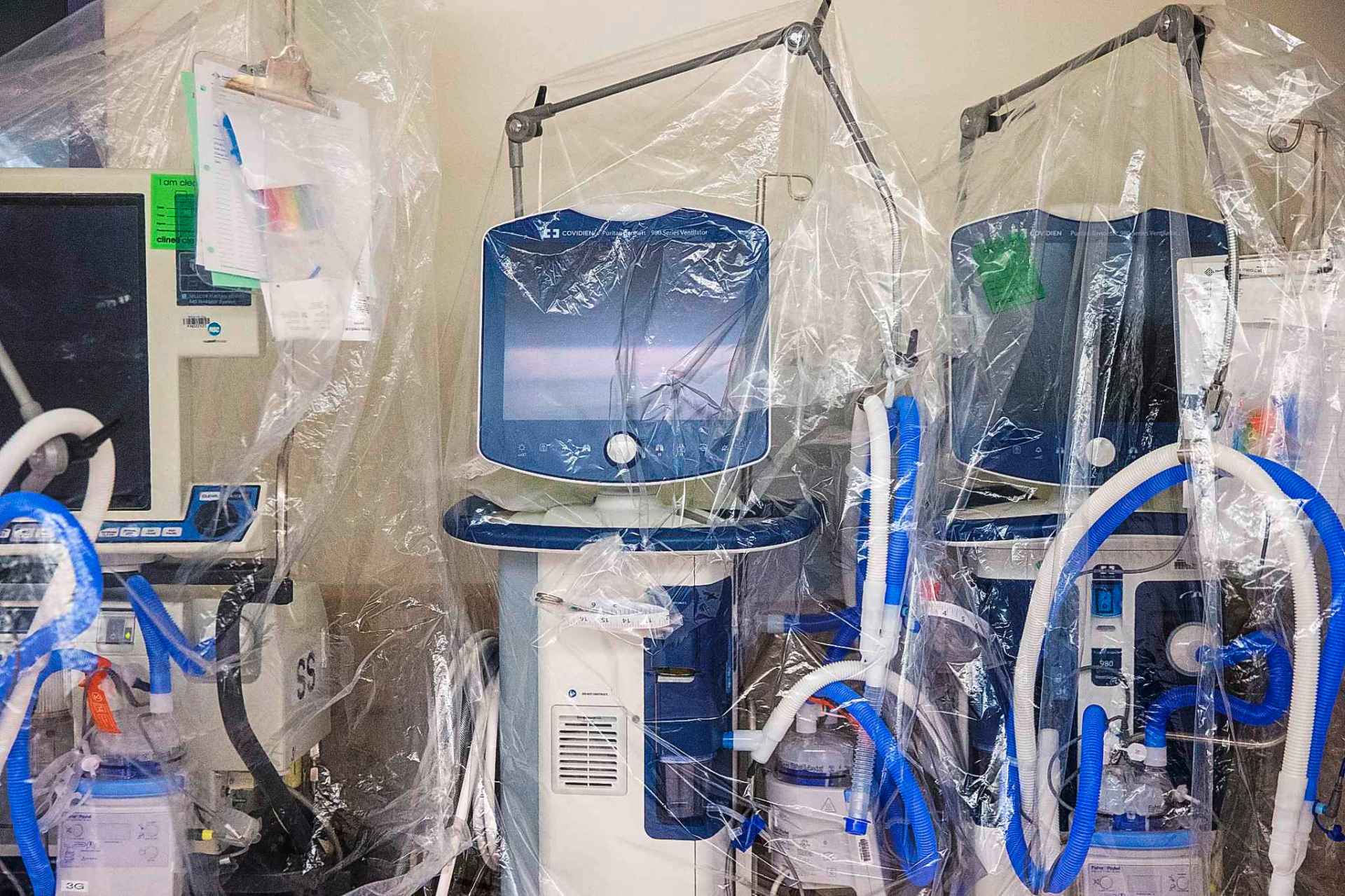
The Free Press was given the chance recently to get an inside look at the day-to-day reality in the hospital as it treats dozens of patients stricken with COVID-19 in the emergency department, intensive care unit, and other areas of the facility.
Because of COVID restrictions, Shared Health accommodated one videographer and one photographer, to share the information with multiple media outlets. The aim was to capture interviews with staff members, including heads of ICU and surgery, as well as a nurse and microbiologist.
Aaron Turner, a clinical resource nurse, usually helps people recover from orthopedic surgery. He has been recruited to take care of patients in a COVID unit, some of the sickest people in the province.
“It is a big change,” admitted Turner. “Things are going reasonably well.
“The population we are looking after now is acute medicine and much more sick with COVID than we are used to.”
Turner sets up conversations between “comfort care” patients and their family members, who aren’t allowed to visit.
“I set them up with an iPad so they could say their goodbyes,” he said. “Seeing that is very emotional and must be very difficult.
“It’s not something we’ve had to do before. It becomes part of business, I suppose, but you can never get used to it.”
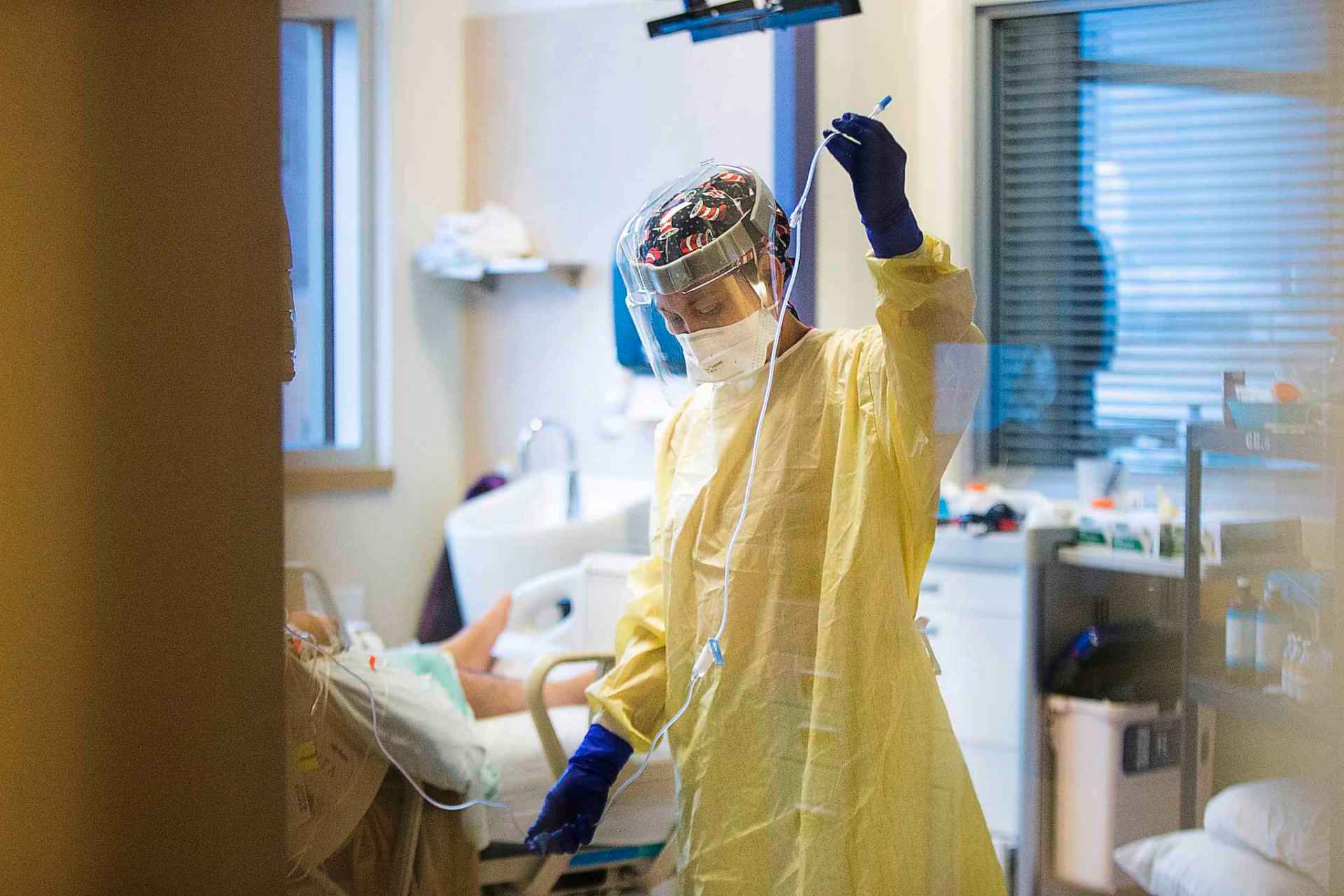
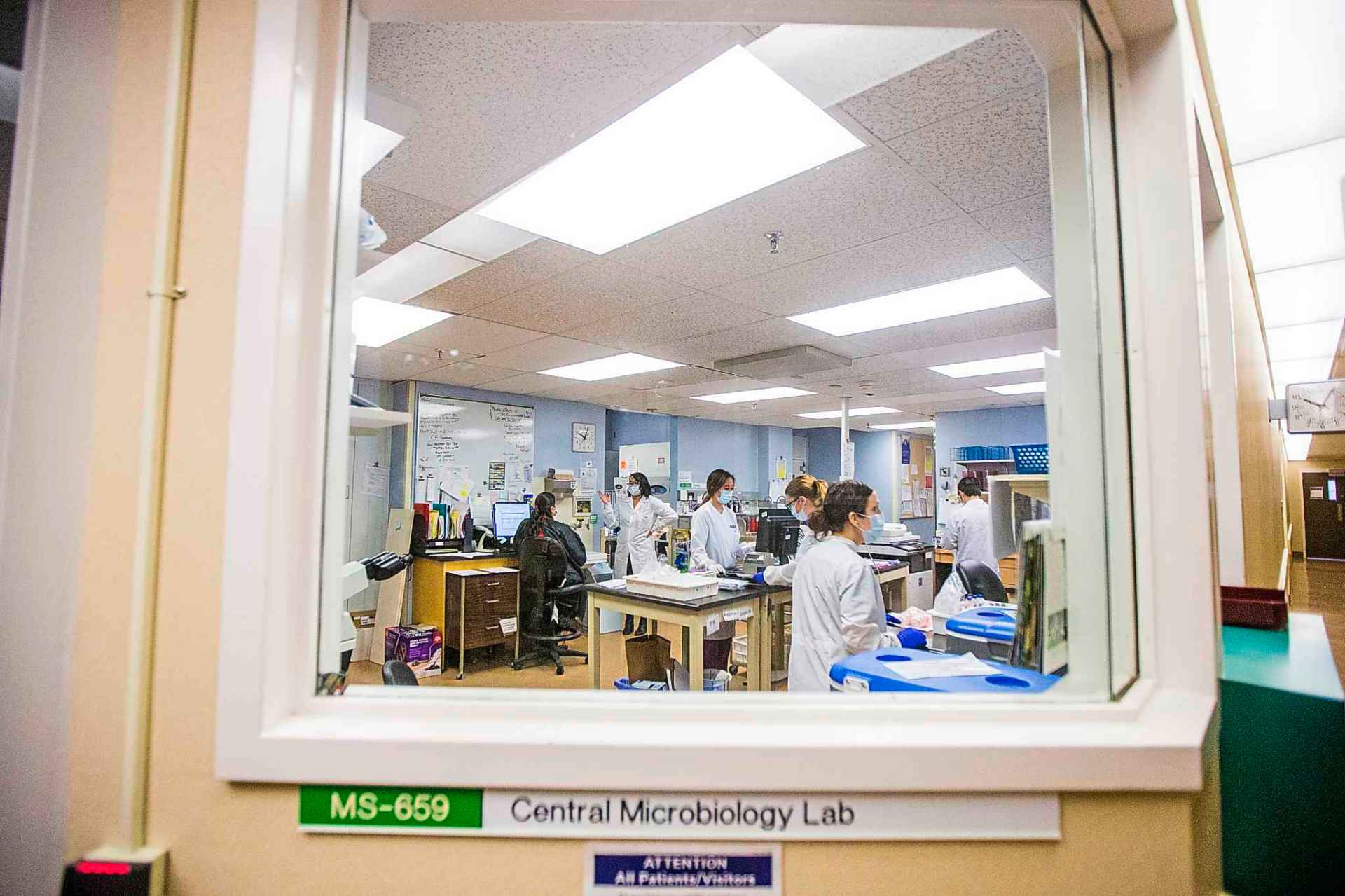

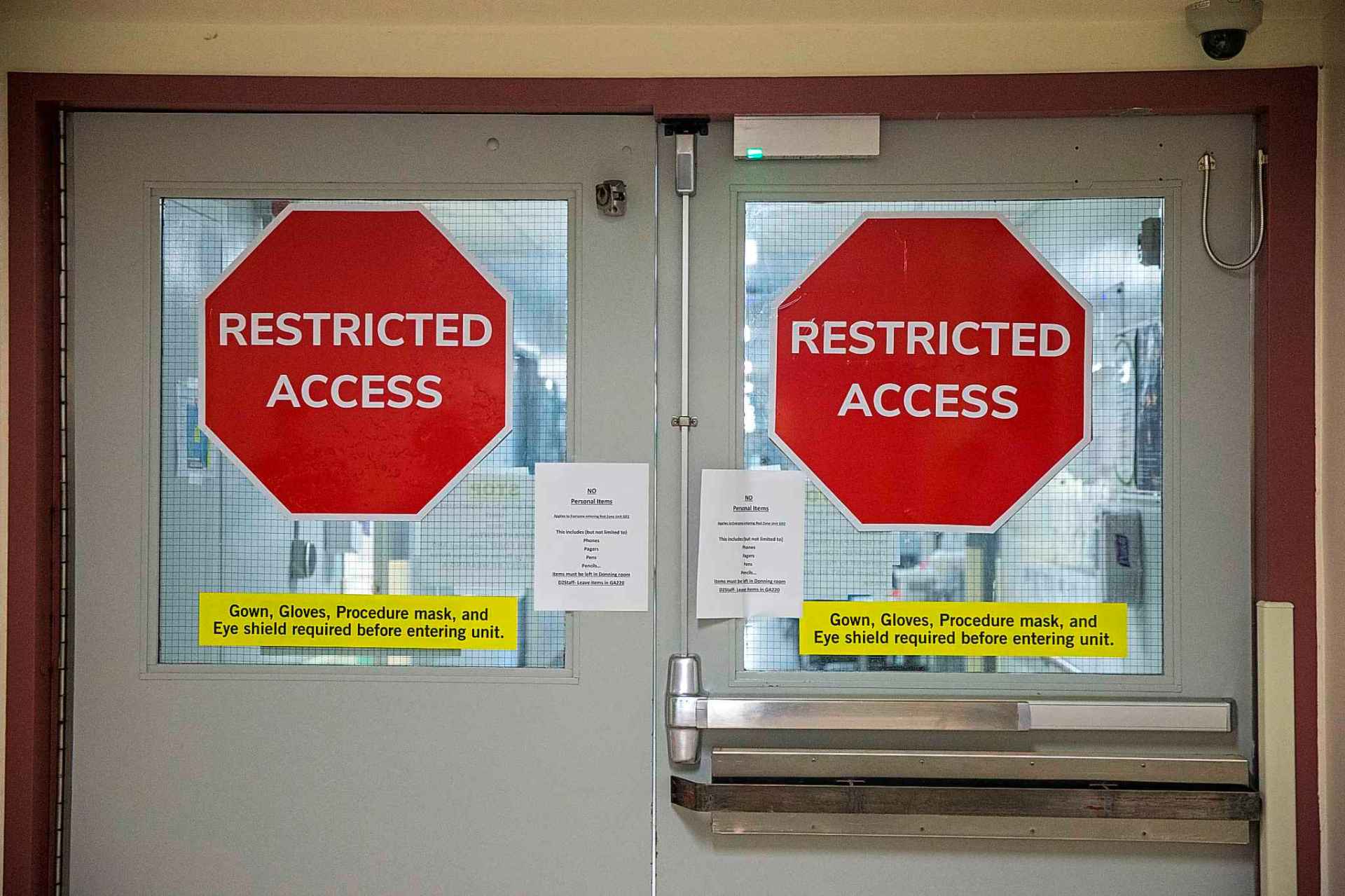
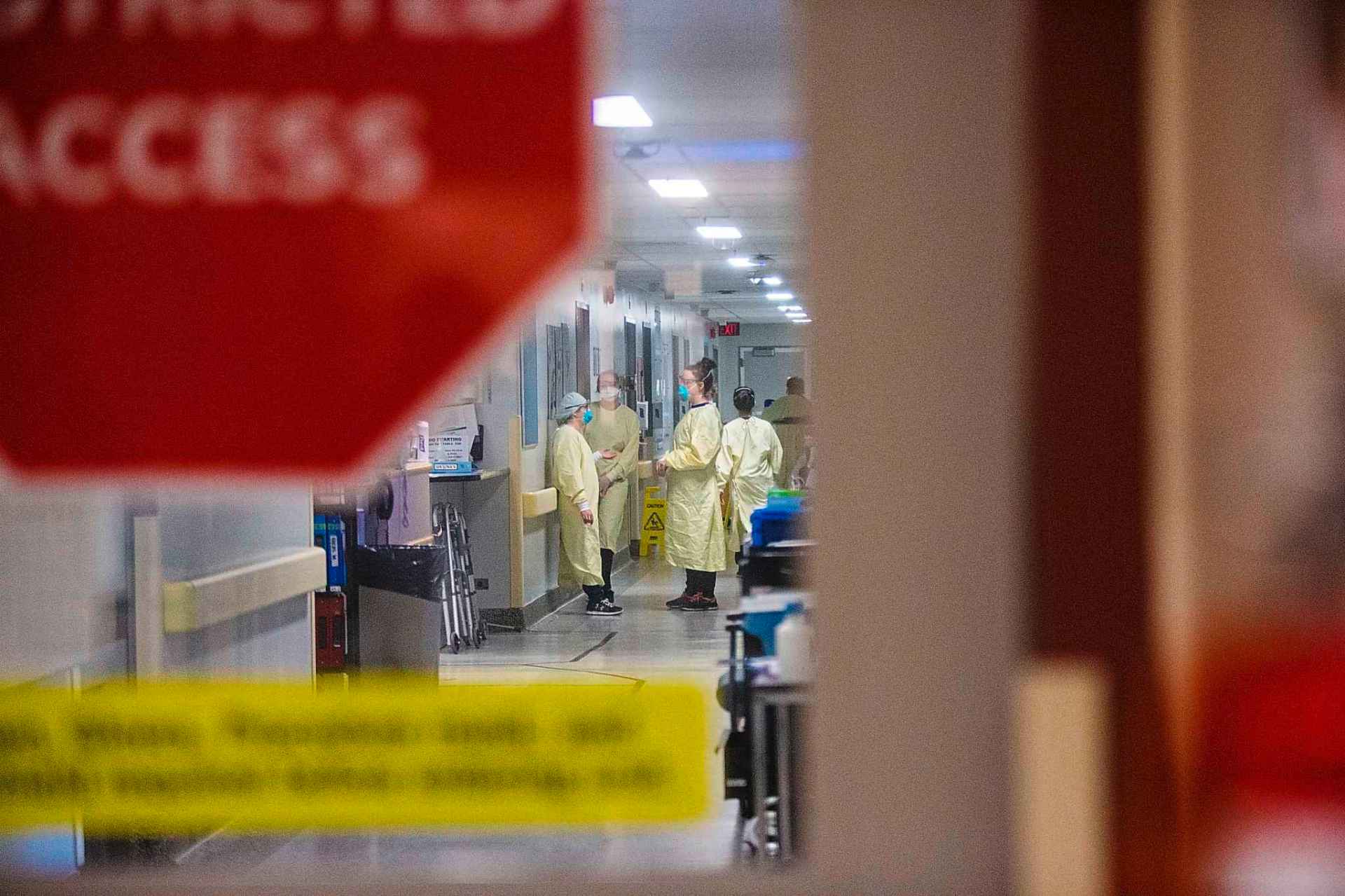
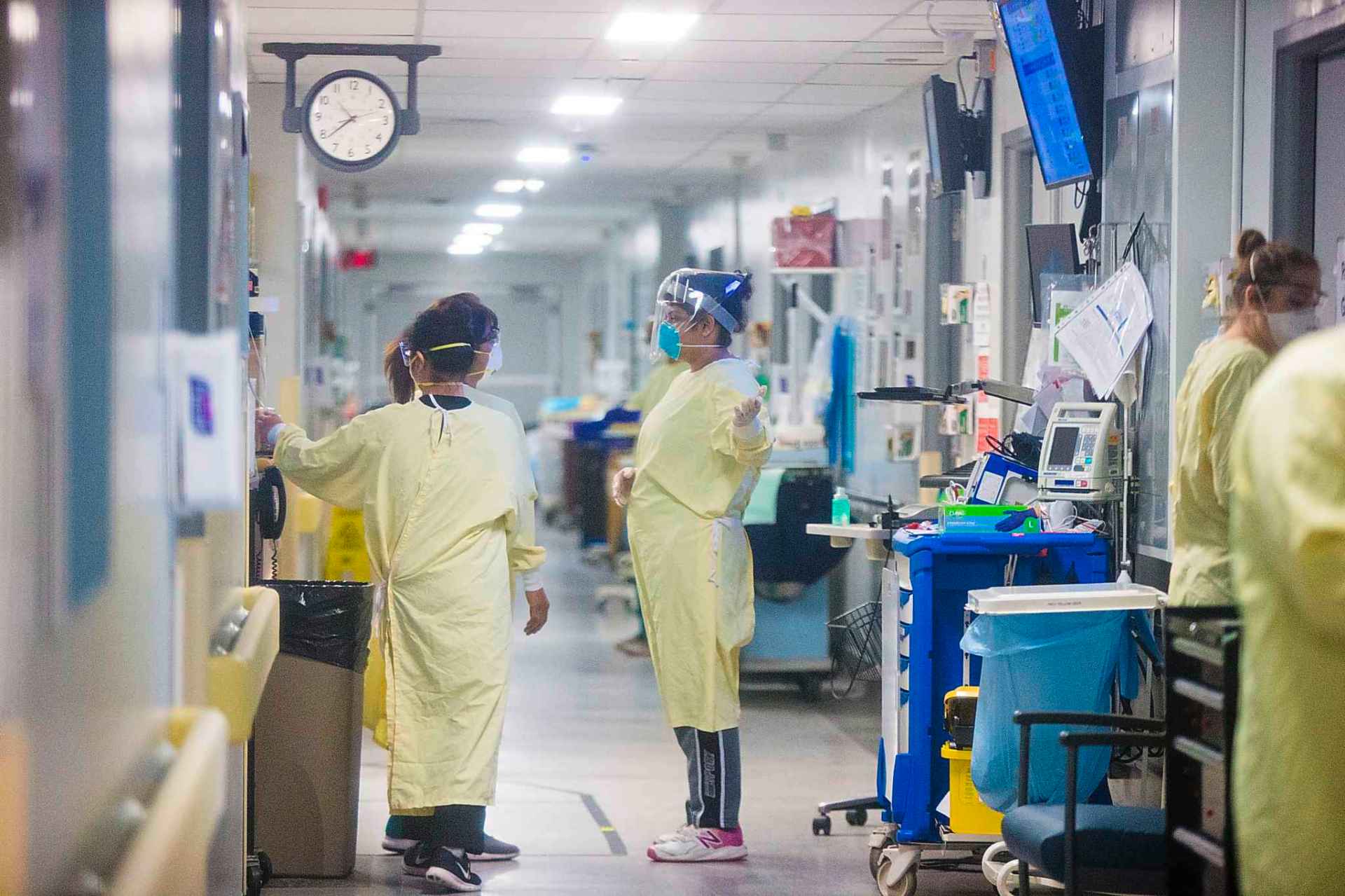
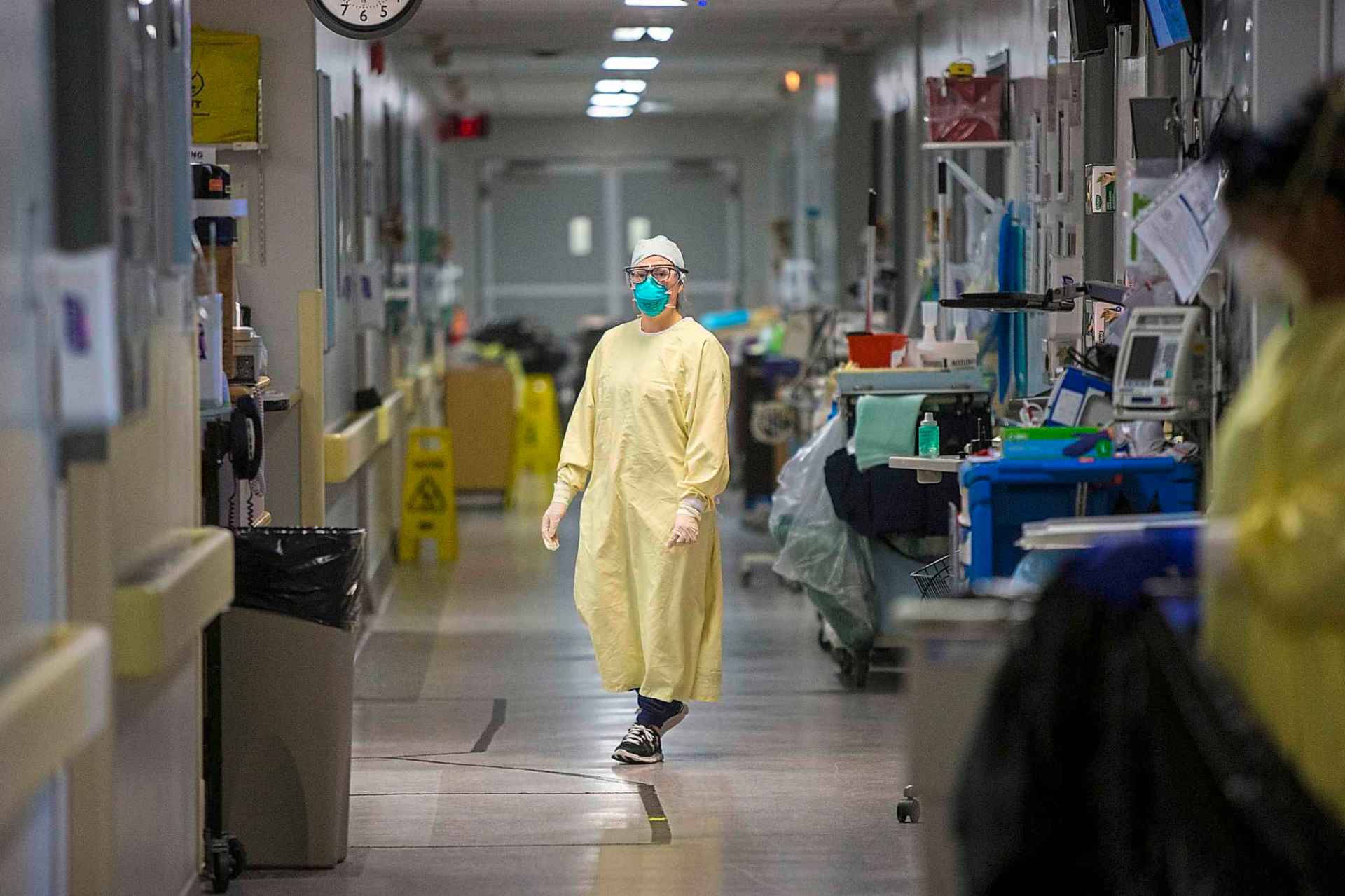
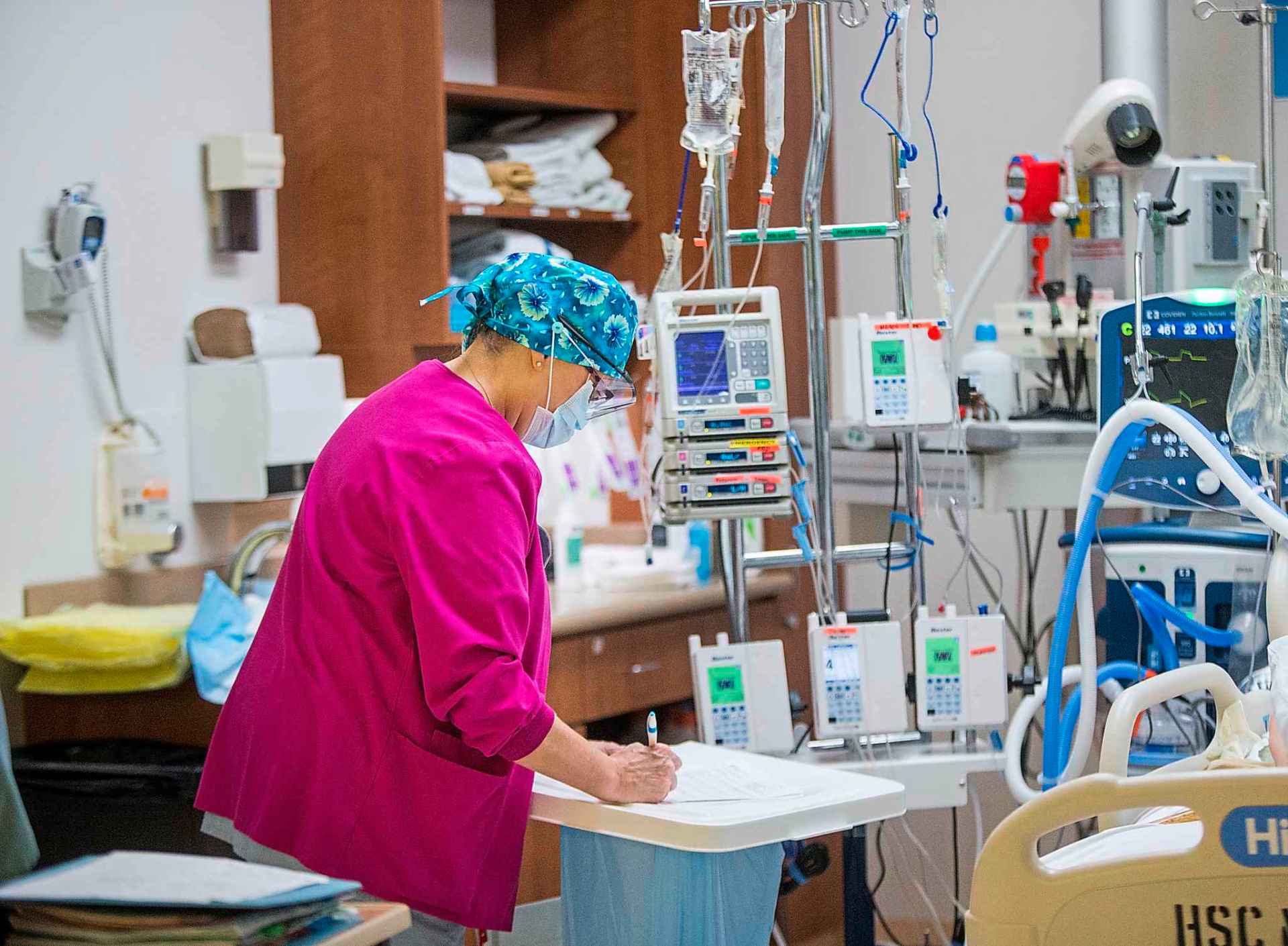
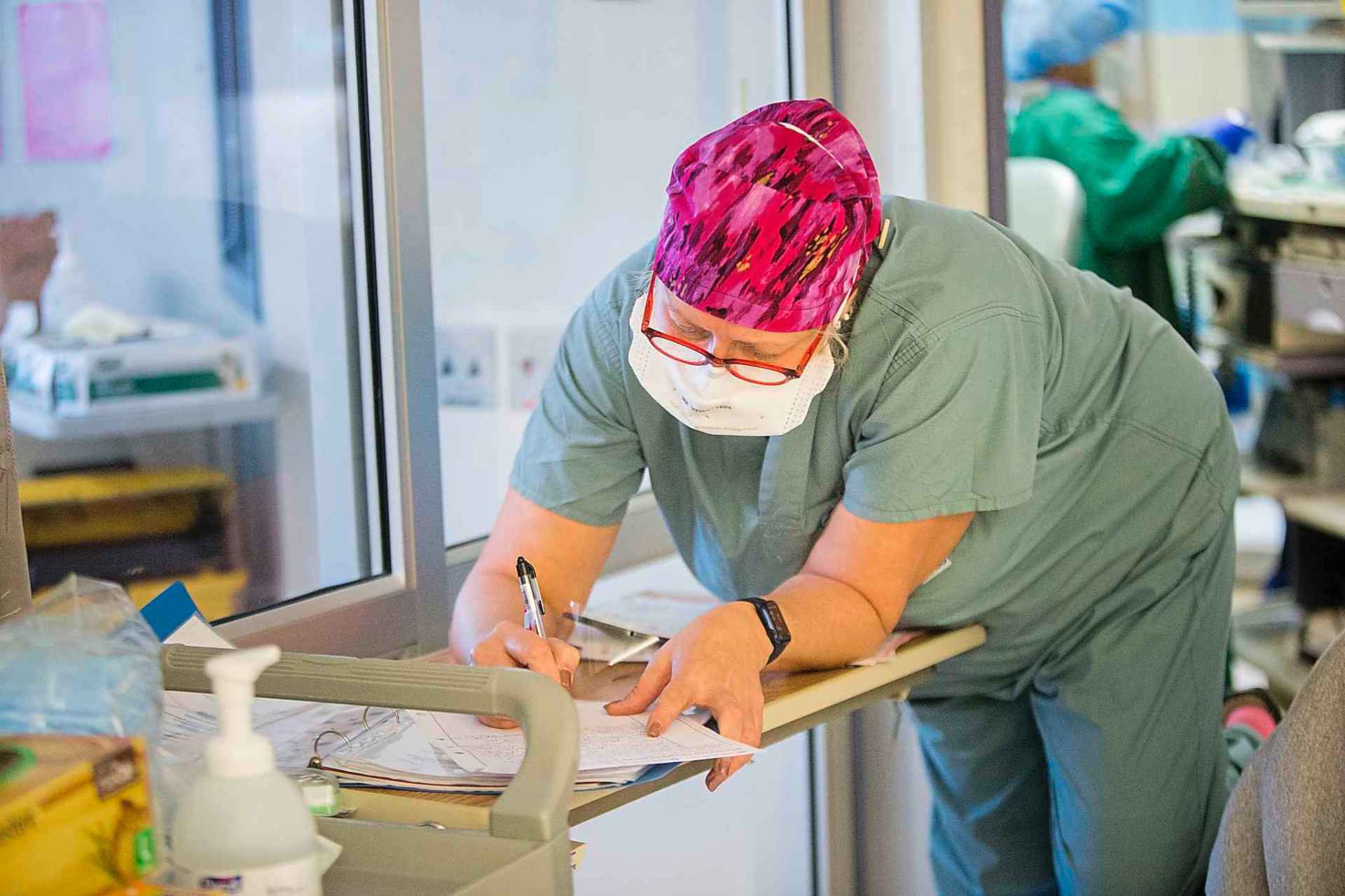
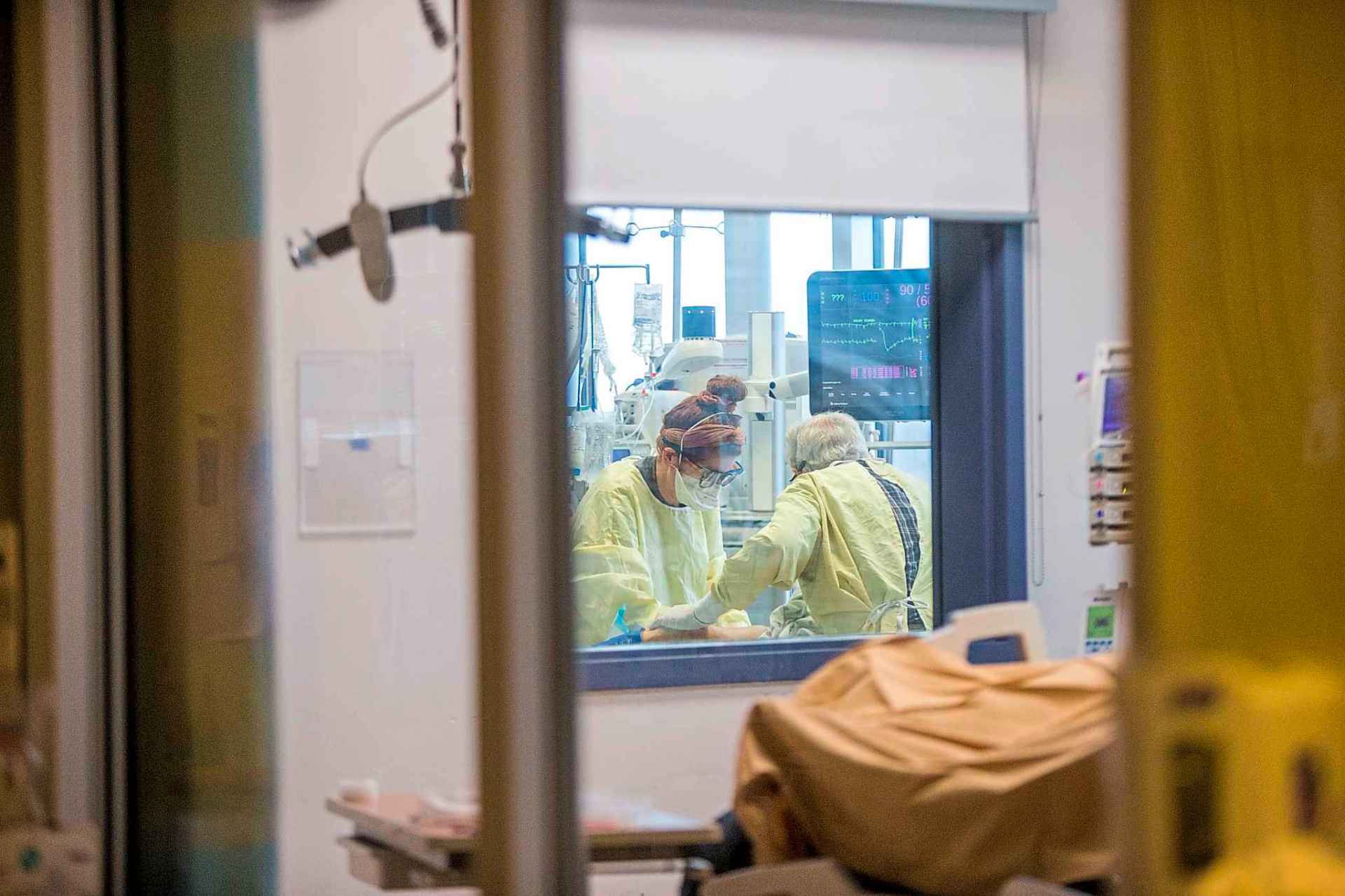
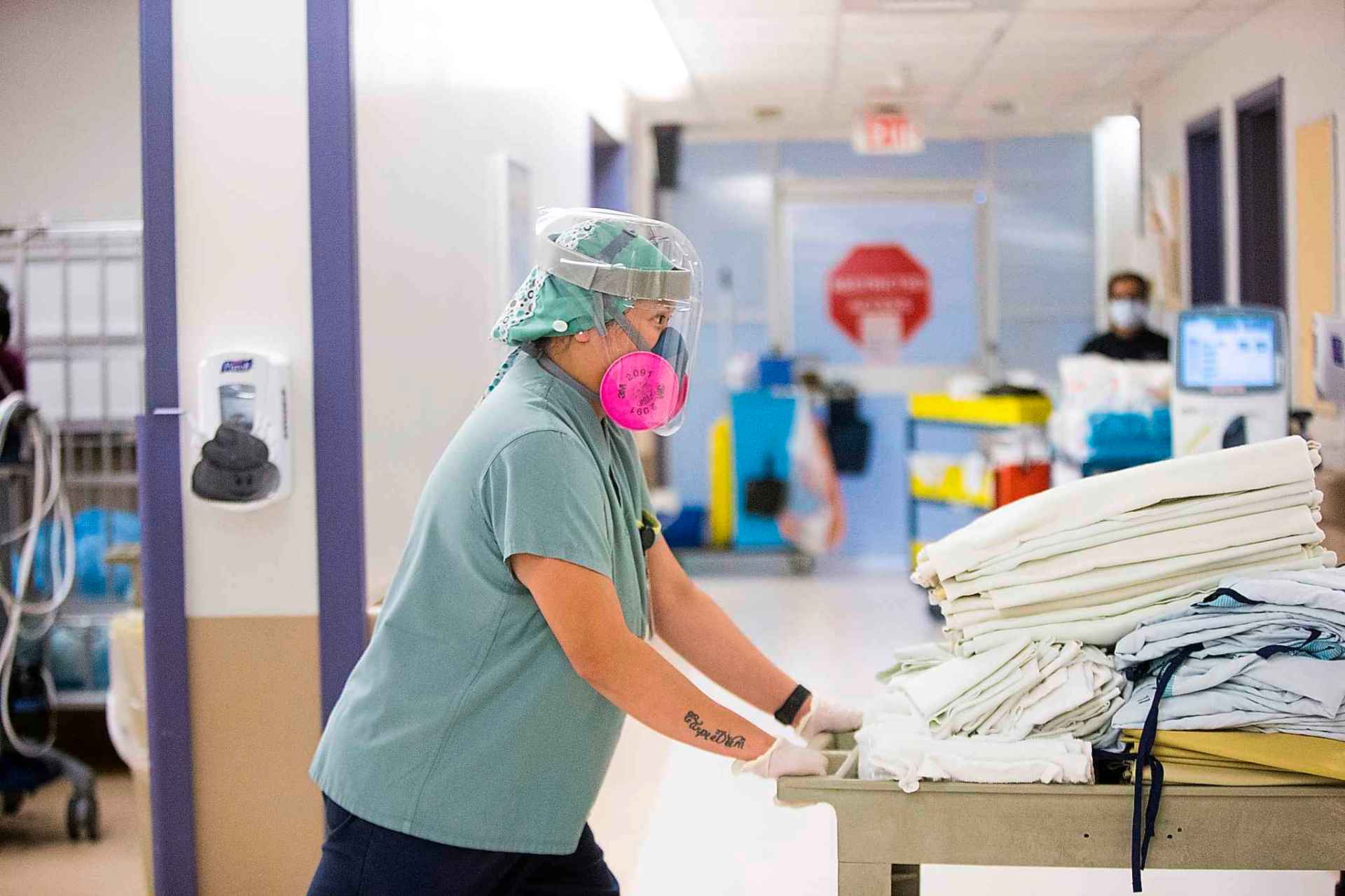
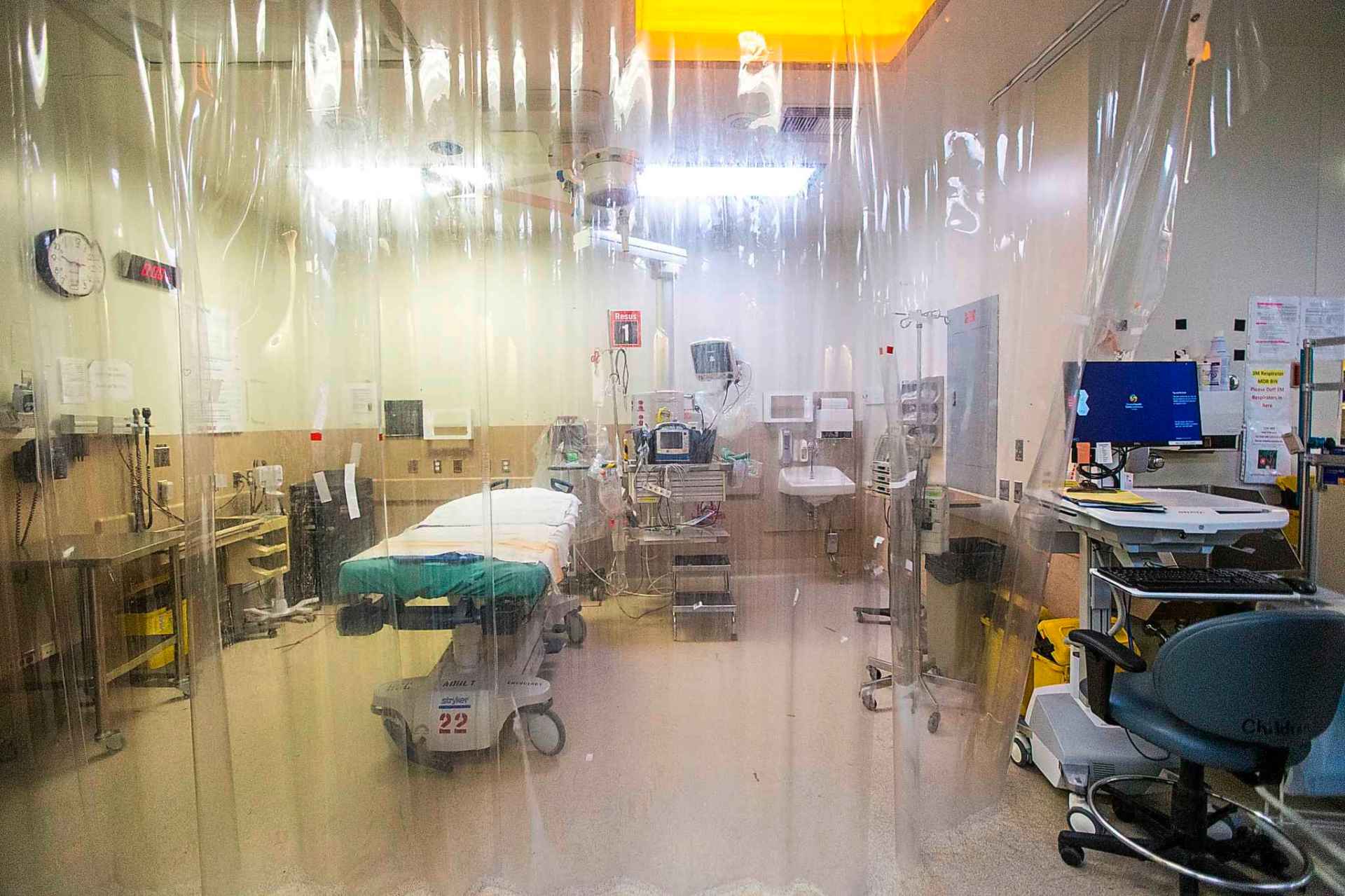
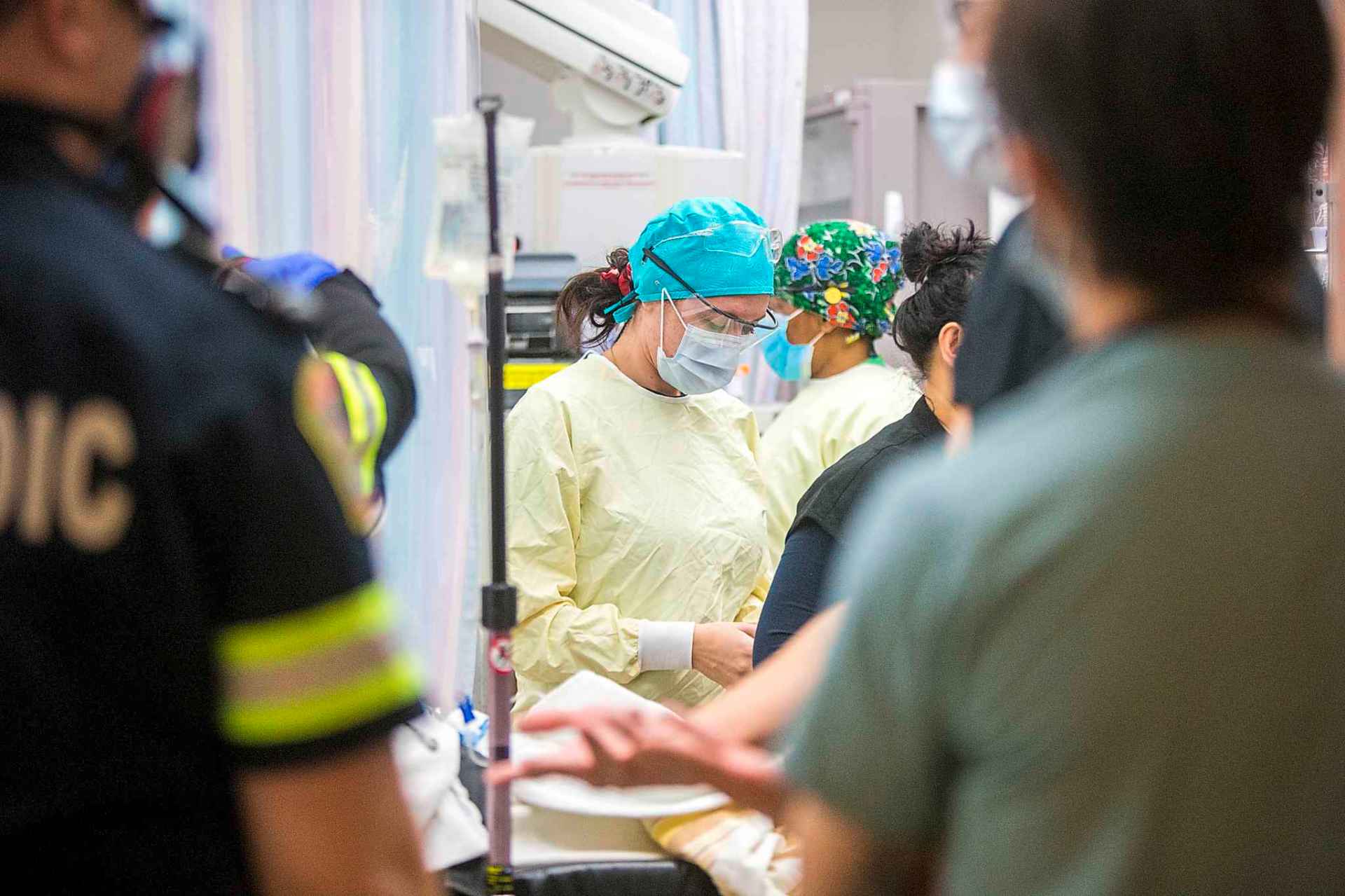

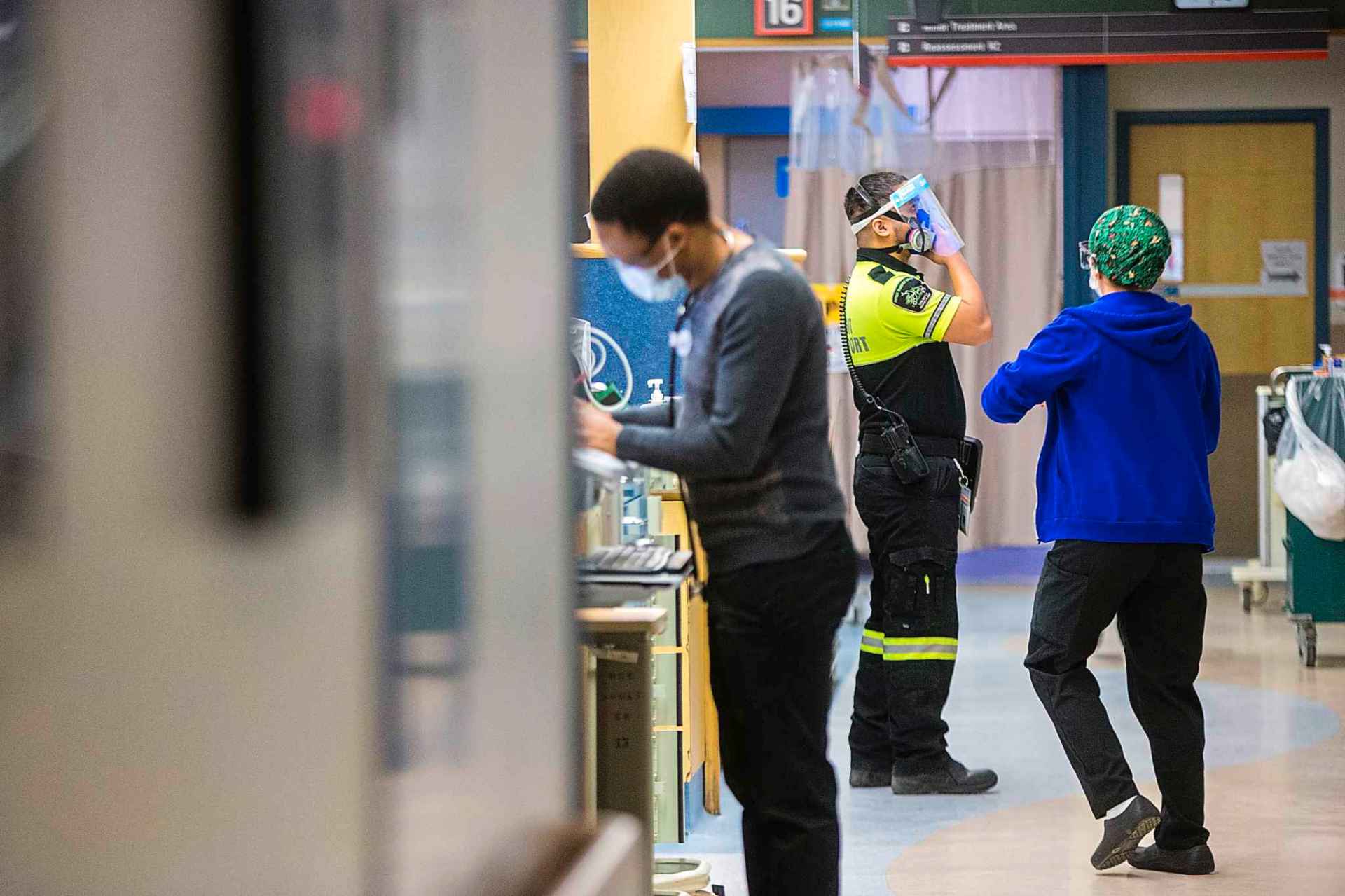
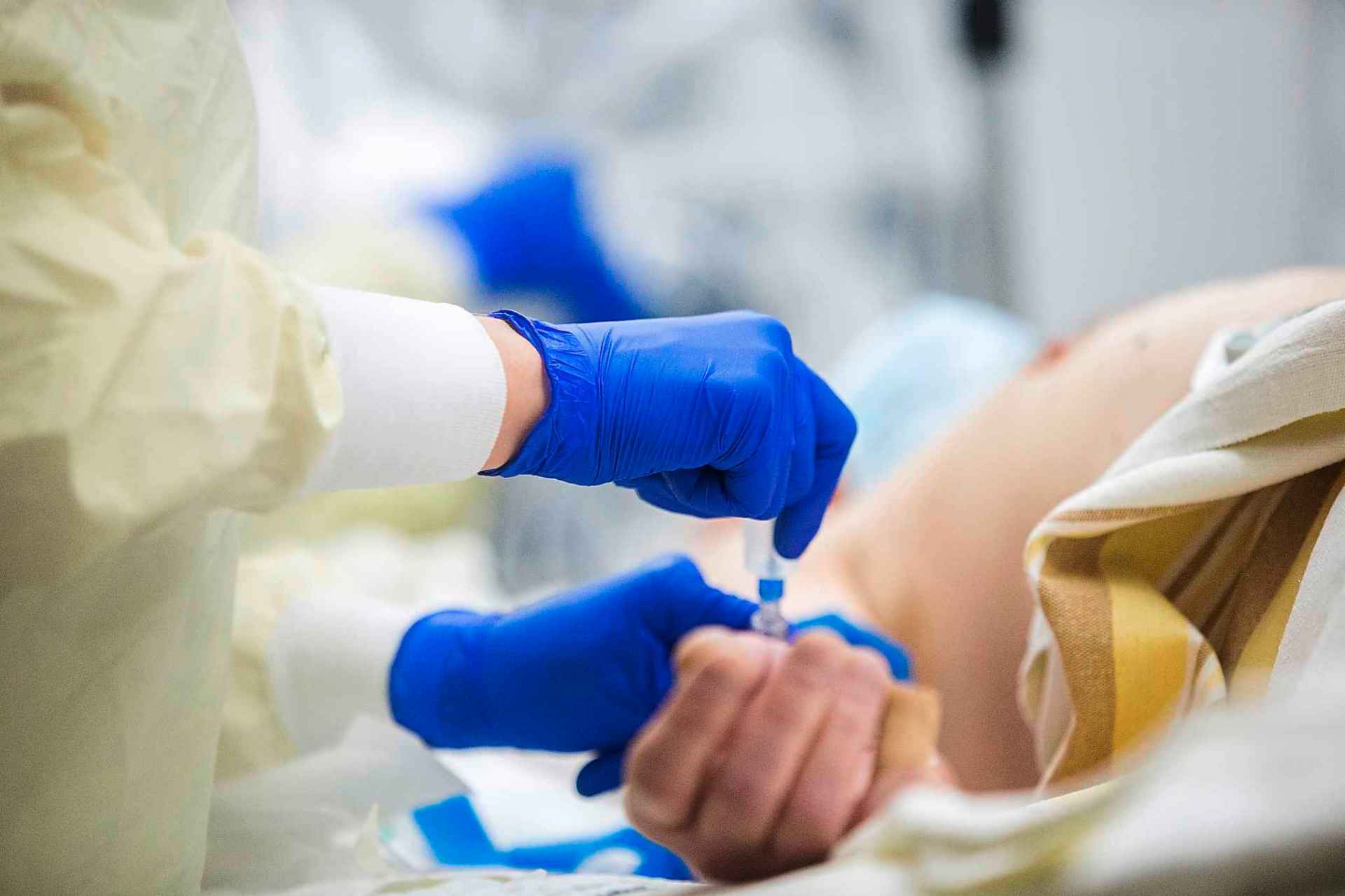
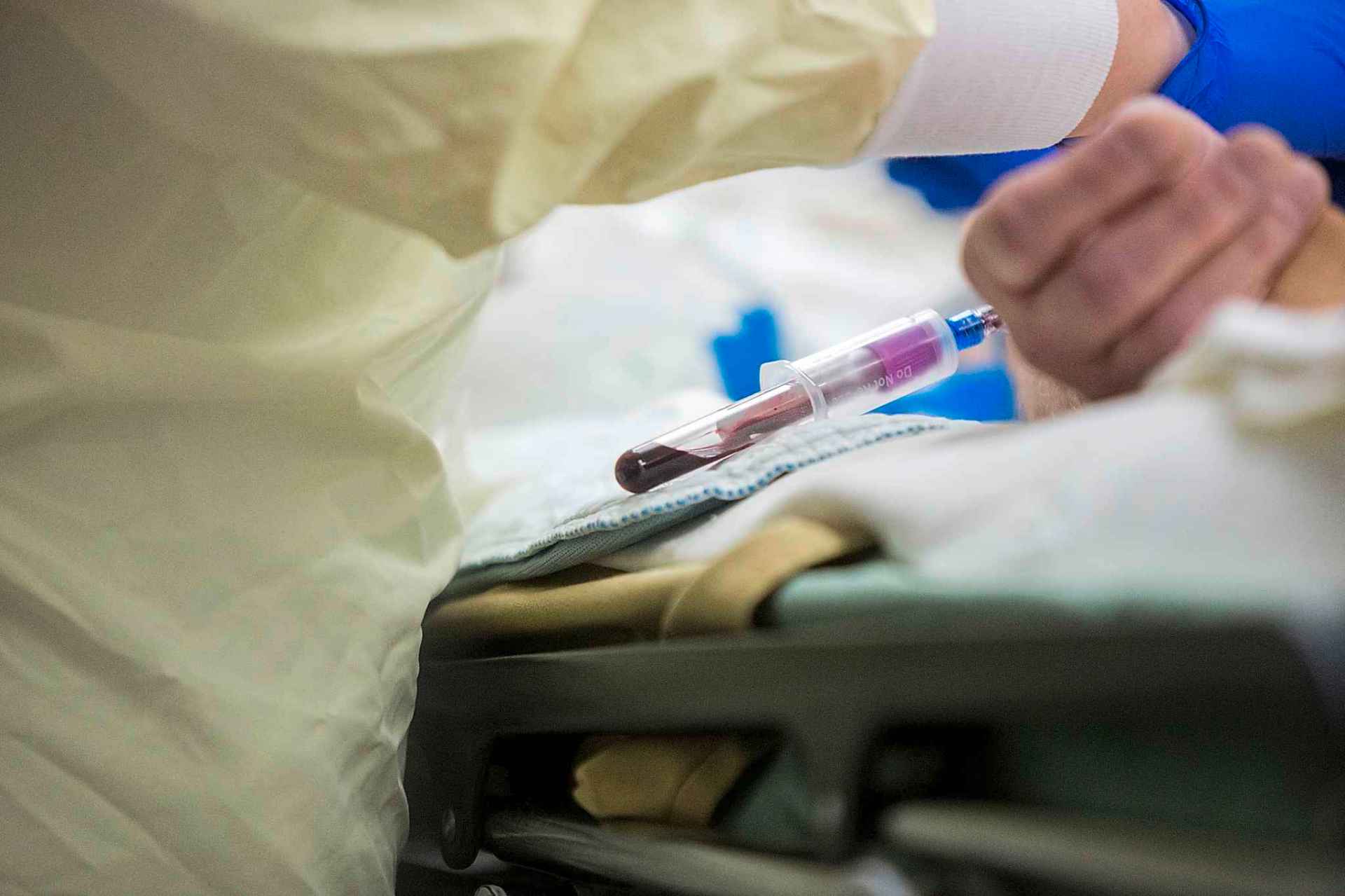
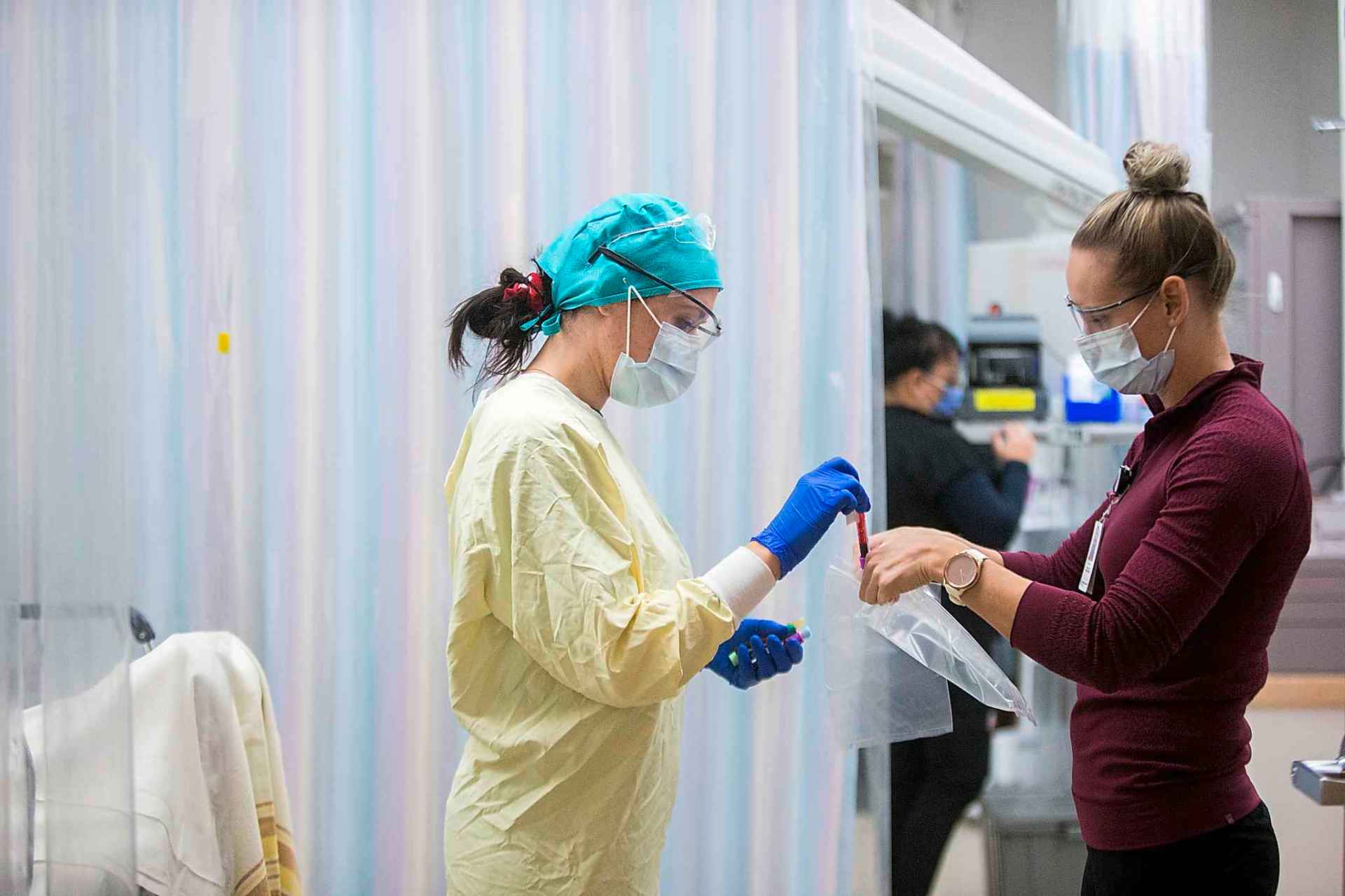
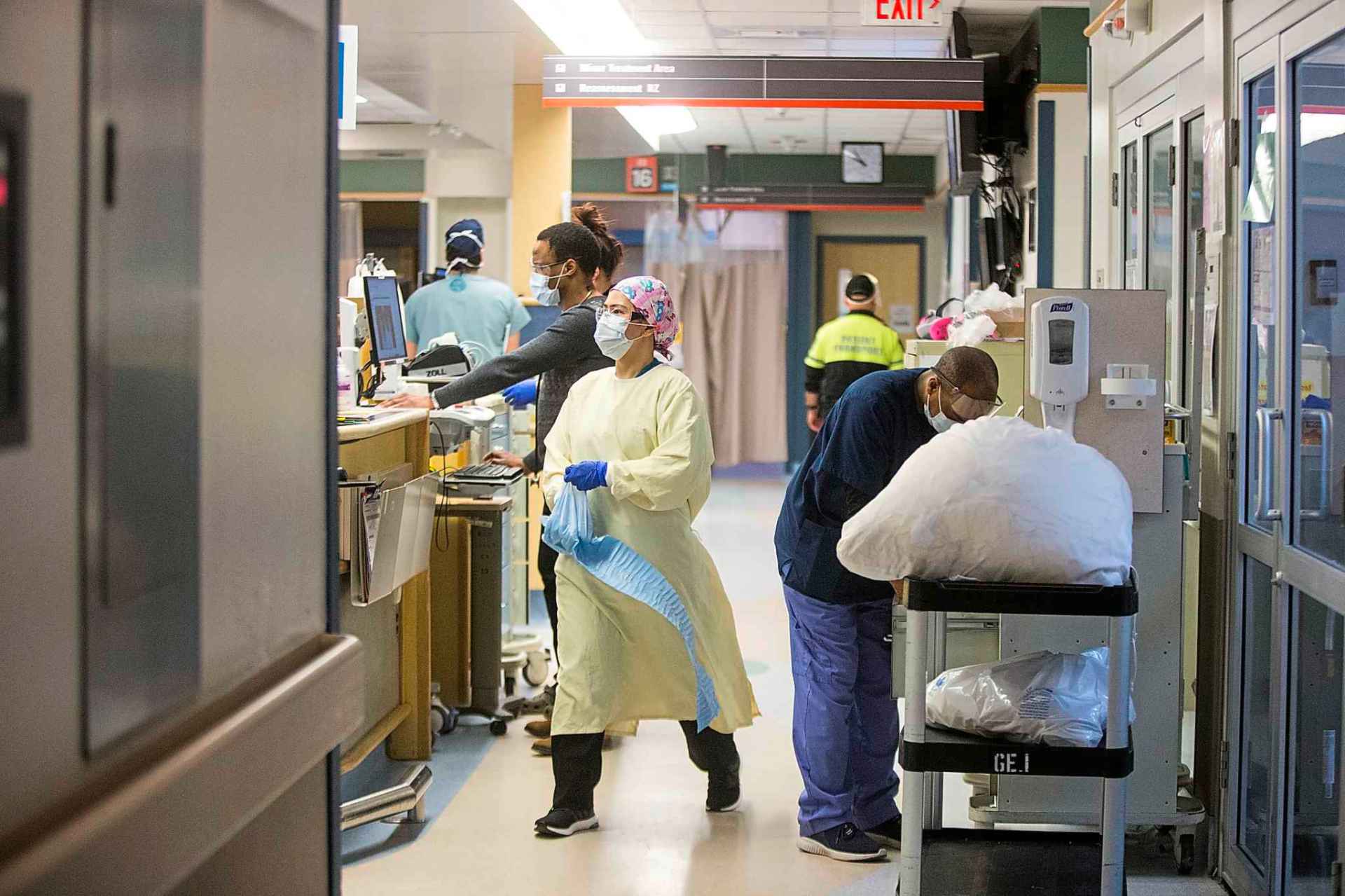
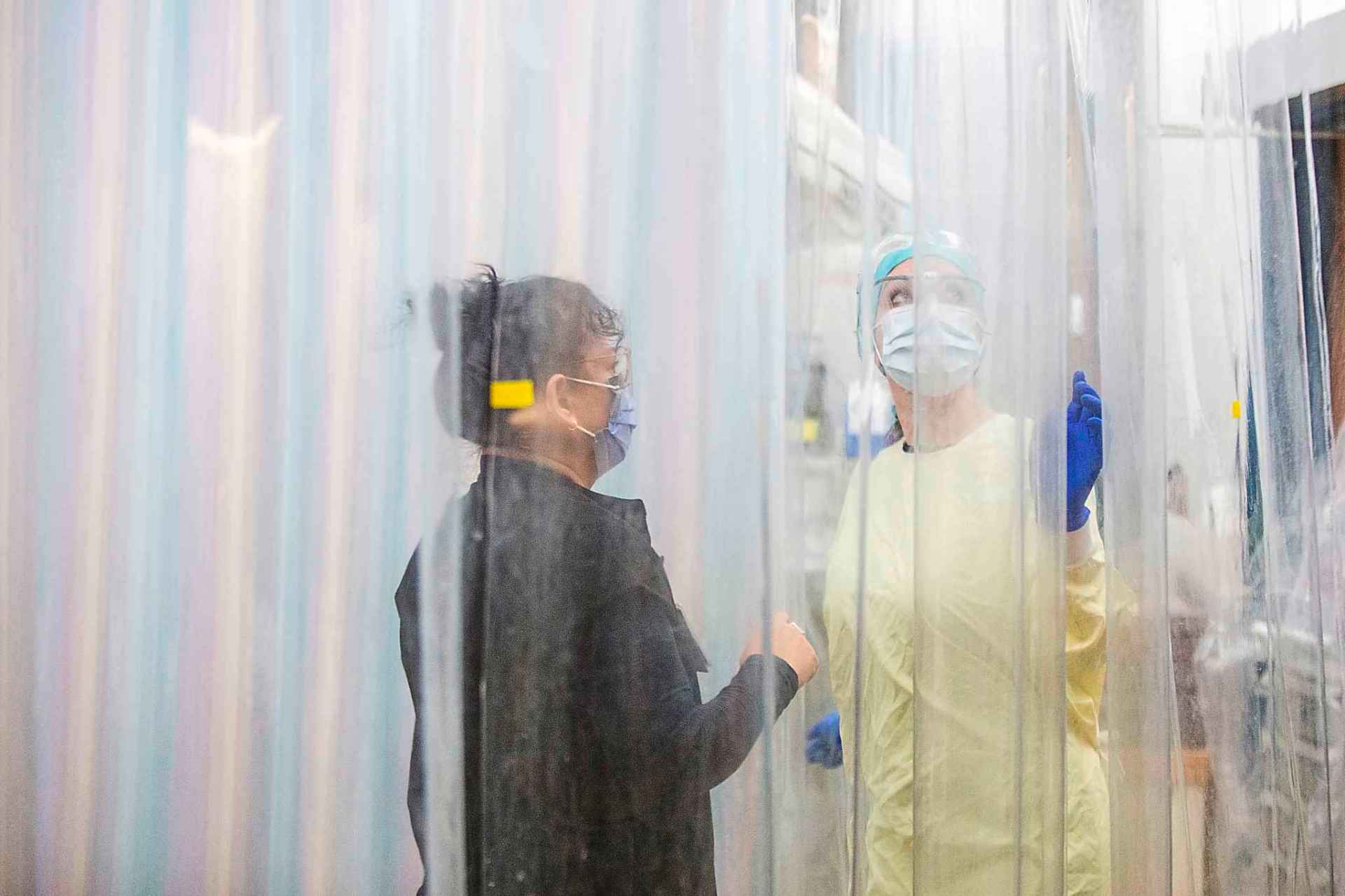
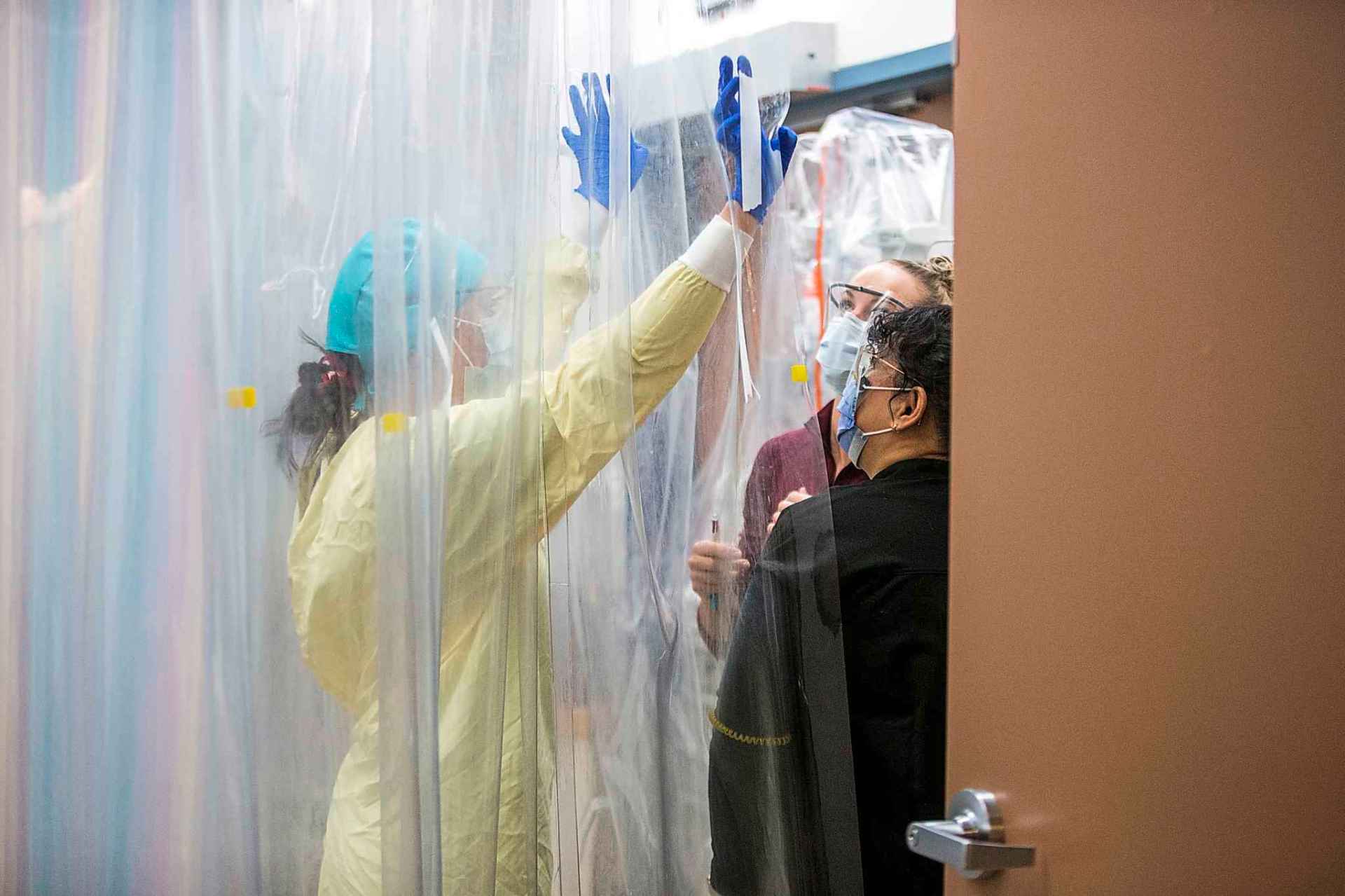
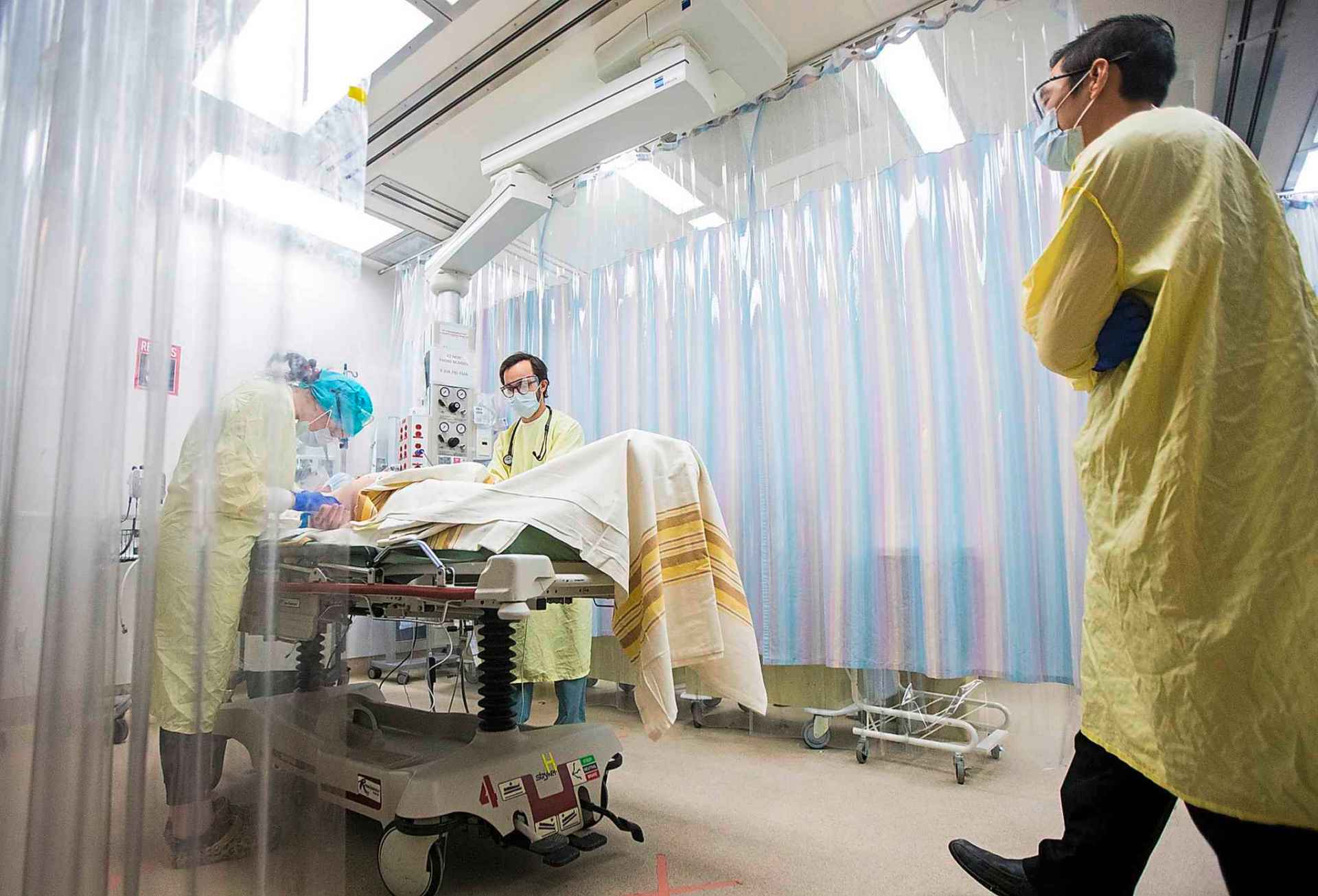
Elsewhere in the hospital, Anna Marie Papiz, manager of patient care, said her multiple surgery unit has been transformed into a 30-bed COVID unit in recent weeks.
“(It) has been extremely stressful on everybody,” especially with so many patients dying or suddenly needing resuscitation.
“If you were to speak to them and ask if they had experience with patients who had passed away, and if they had experiences with (hospital) codes, many of them would say very rarely. Now, that has become commonplace here,” Papiz said.
“I had people come to me (and say) ‘I don’t know how much longer I can keep doing this.’ Now, I look where we are and it has almost become fairly normal to them.”
Dr. Bojan Paunovic, medical director of HSC’s medical intensive care unit, said they’ve always had to transfer patients from ICU to palliative care, but it has become a regular practice.
“We are having to do it so often,” he said, noting that every week they get the same level of patients they would get during an entire flu season.
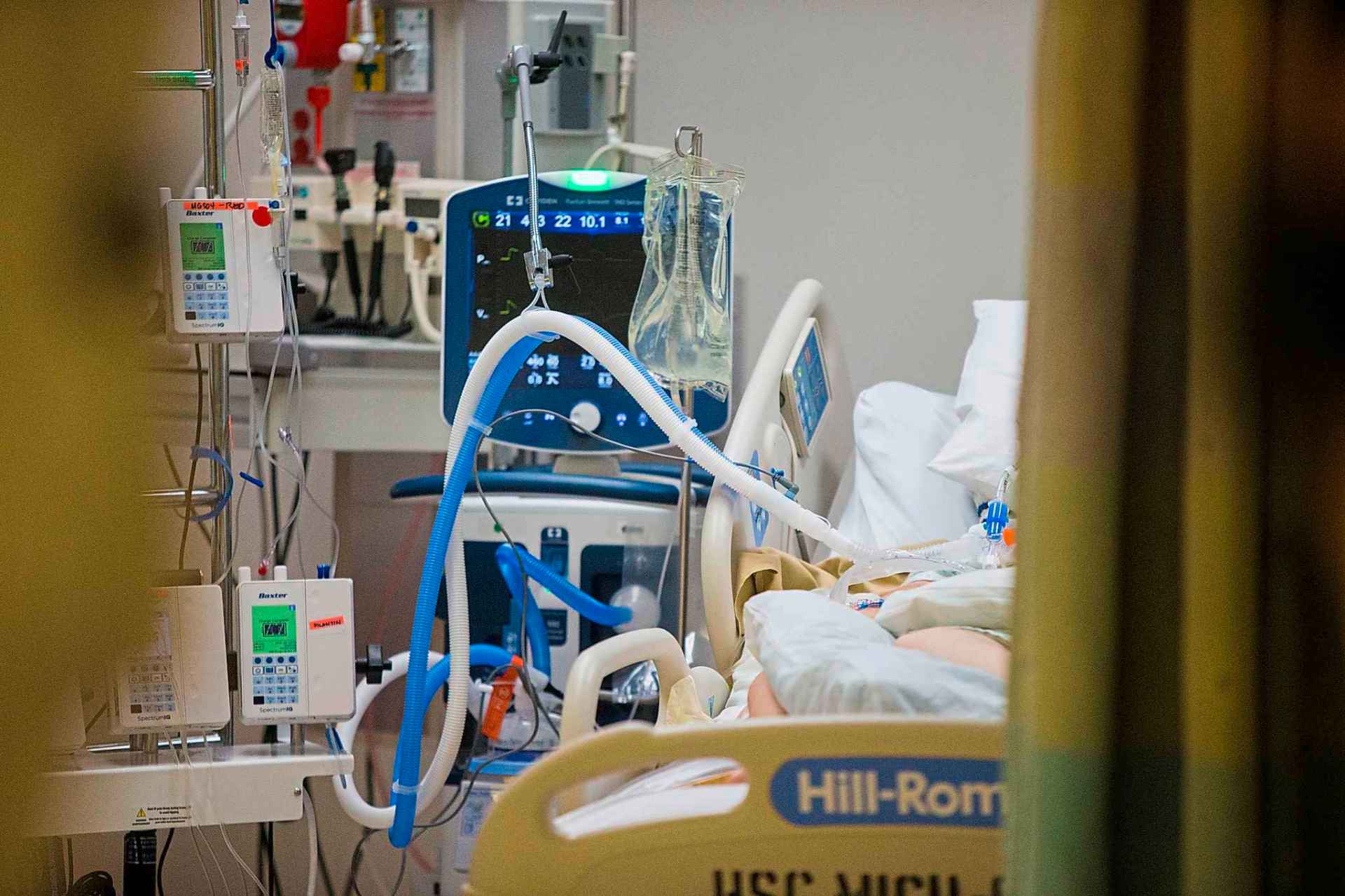
Paunovic said these patients are sicker. If they have to be put on ventilators, they stay hooked up longer than normal. Some of them succumb to the virus despite the help of breathing machines.
“The number of patients not responding (to treatment) is much more often,” he said.
Normally, Paunovic said, there are 72 critical care beds in the province, but now there are more than 120 beds.
“That’s 150 per cent capacity — a level we expected to achieve, but not a level sustainable.”
When it gets down to it, Dr. Ed Buchel, HSC’s surgery site director, speaks for all health-care workers when he urges all Manitobans — even those who are least vulnerable — to follow public health restrictions, which include wearing a mask, staying physically distant and leaving home only to get essentials.
Buchel said 6,000 elective surgeries were cancelled during the first lockdown in the spring and he expects an additional 6,000 surgeries will be cancelled during this second lockdown.
“It’s not just about COVID-positive patients,” he said. “I’ve talked to my kids who are in their 20s and they go ‘I get COVID, it’s not going to bother me’, and I’m like yes, but if you blow out your ACL skiing, or you tear your hip… or you need a hip replacement, you’re not getting that done. We have to take the resources associated with delivering that care and transfer them to our sick people with COVID.
“These are terrible things, but we cannot not help people live.”
kevin.rollason@freepress.mb.ca

Whether it is covering city hall, the law courts, or general reporting, Kevin can be counted on to not only answer the 5 Ws — Who, What, When, Where and Why — but to do it in an interesting and accessible way for readers.

Our newsroom depends on a growing audience of readers to power our journalism. If you are not a paid reader, please consider becoming a subscriber.
Our newsroom depends on its audience of readers to power our journalism. Thank you for your support.
History
Updated on Thursday, December 17, 2020 11:55 AM CST: Removes unedited video; video will be replaced later today.
Updated on Thursday, December 17, 2020 4:40 PM CST: Video added