Provoking change, not serving up charity
Minister organizes virtual panel discussion on the church and guaranteed income

Advertisement
Read this article for free:
or
Already have an account? Log in here »
To continue reading, please subscribe:

Digital Subscription
One year of digital access for only $205*
- Enjoy unlimited reading on winnipegfreepress.com
- Read the E-Edition, our digital replica newspaper
- Access News Break, our award-winning app
- Play interactive puzzles
*First annual payment billed as $205.00 + GST for one year. This annual subscription will automatically renew at $233.00 + GST every 52 weeks (10% off the regular annual price of $259.35). Offer available to new and qualified returning subscribers only. Cancel any time.
To continue reading, please subscribe:
Add Free Press access to your Brandon Sun subscription for only an additional
$1 for the first 4 weeks*
- Enjoy unlimited reading on winnipegfreepress.com
- Read the E-Edition, our digital replica newspaper
- Access News Break, our award-winning app
- Play interactive puzzles
*Your next Brandon Sun subscription payment will increase by $1.00 and you will be charged $17.95 plus GST for four weeks. After four weeks, your payment will increase to $24.95 plus GST every four weeks.
Read unlimited articles for free today:
or
Already have an account? Log in here »
Hey there, time traveller!
This article was published 20/03/2021 (2000 days ago), so information in it may no longer be current.
The combination of harsh winter weather, homelessness and ongoing pandemic restrictions prompted a Winnipeg minister to ask what Christians can do to provoke change instead of just offering handouts.
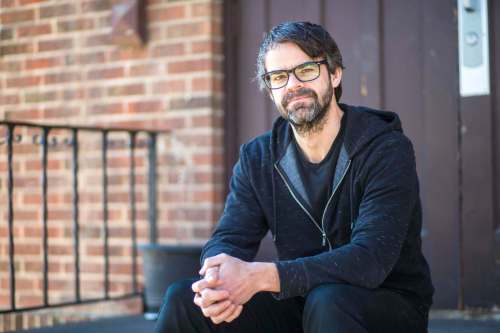
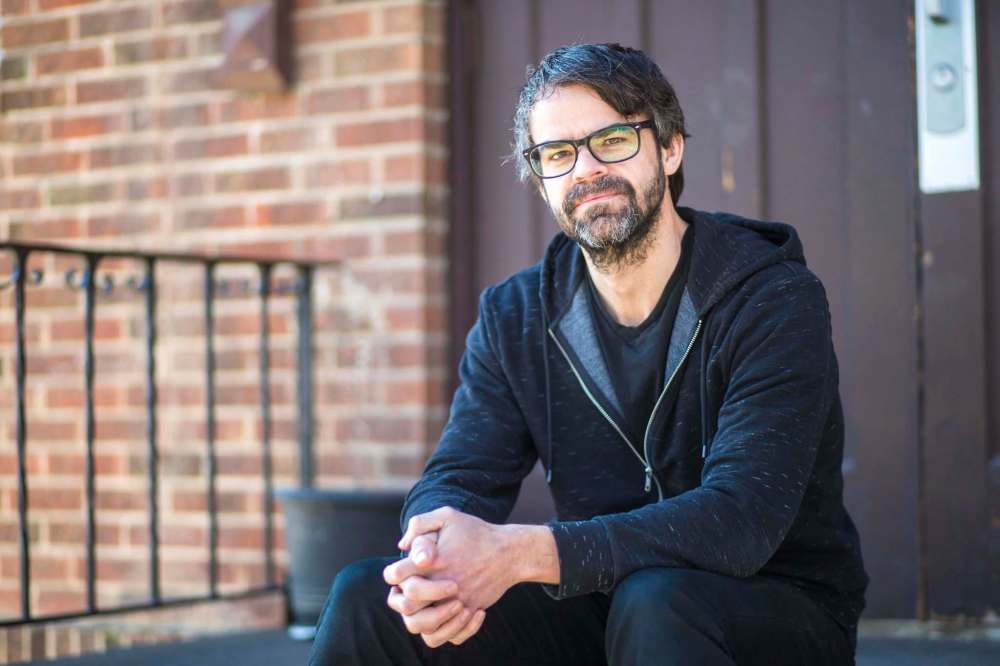
“I think the church too quickly accepts its role as providing charity in response to these situations as opposed to a more direct demand on our government and on the resources available in Canada,” says Rev. David Driedger, associate minister of First Mennonite Church.
To invite his West End congregation and other people of faith into that conversation, Driedger organized a virtual panel discussion on the church and guaranteed income with Toronto anti-poverty activist John Clarke and Leah Gazan, MP for Winnipeg Centre, 7 p.m., Wednesday, March 24.
Sponsored jointly by Mennonites, Anglicans, and the United Church of Canada, the event runs both on Zoom and YouTube live, with links at https://firstmennonitechurch.ca/break-every-yoke/.
Billing the 90-minute discussion as directed at churches and people of faith, Driedger says the event begins with the understanding that Christian scripture repeatedly addresses care and concern for the poor and disadvantaged.
“Of all things, the Bible is thoroughly clear on the vision of how to distribute the goodness of creation to all people,” says Driedger, who will offer theological perspectives during the panel discussion.
“There’s enough to go around but we have to learn how to share.”
As a resident of the West End, Driedger says seeing people scramble for safe places to sleep this winter illustrates how precarious daily life remains for people affected by poverty and pandemic restrictions.
“I think just seeing people sleeping in bus shelters has changed people’s perceptions of the way things are,” he says.
Last summer, Gazan introduced Motion 46 in the House of Commons, calling for federal pandemic benefits to be converted into a guaranteed livable basic income.
The motion attempts to address the inequities and gaps in the current social safety net, made more obvious during the pandemic, says Gazan, who says all members of Parliament are obligated to uphold the Canadian Constitution and the Canadian Charter of Rights and Freedoms to ensure people live in dignity.
“These are human rights matters. I believe we have to look after each other, not just as a moral issue, but as a human rights issue,” says Gazan.
Religious groups have called for basic income measures before. Last spring, Bishop Geoffrey Woodcroft of the Anglican Diocese of Rupert’s Land wrote a letter to Prime Minister Justin Trudeau asking him to implement basic income. Anglican bishops from across Canada signed the letter written by the Winnipeg-based Woodcroft, who was motivated to act after witnessing the effects of the early months of the pandemic on people living in poverty.
Basic income won’t solve the problems Gazan and her supporters are targeting, says Clarke, who teaches and organizes events on social justice at York University.
He argues basic income would be an essentially regressive step resulting in cuts to other publicly funded supports and would stand in the way of efforts to increase minimum wage.
“I think employers should be paying living wages and the efforts should go to improving public services,” says Clarke of why he opposes basic income.
He prefers governments spend resources on improving public health care and adding coverage for dental costs and prescription drugs to health coverage, as well as bringing in universal child care and providing clean water for Indigenous communities.

“It’s a classic case of ‘be careful of what you ask for because you might get it,” he says, adding that the fact some business owners support basic income because it provides subsidies for workers.
Driedger welcomes a lively debate on how to proceed with income supports but believes what’s not up for discussion is that people of faith are obligated to act on behalf of those who are disadvantaged.
“Our wellbeing is shared. Those things are clear in the Bible,” he says.
“The only real question is how we go about it.”
brenda@suderman.com
The Free Press is committed to covering faith in Manitoba through our Religion in the News project. This reporting continues because readers like you step forward to fund it.
Donate now to support our reporting on religion.
Your donation is eligible for a charitable tax receipt.
BECOME A FAITH JOURNALISM SUPPORTER
Brenda Suderman has been a columnist in the Saturday paper since 2000, first writing about family entertainment, and about faith and religion since 2006.
Our newsroom depends on a growing audience of readers to power our journalism. If you are not a paid reader, please consider becoming a subscriber.
Our newsroom depends on its audience of readers to power our journalism. Thank you for your support.
The Free Press is committed to covering faith in Manitoba through our Religion in the News project. This reporting continues because readers like you step forward to fund it.
Donate now to support our reporting on religion.
Your donation is eligible for a charitable tax receipt.
BECOME A FAITH JOURNALISM SUPPORTER
Brenda Suderman has been a columnist in the Saturday paper since 2000, first writing about family entertainment, and about faith and religion since 2006.
Our newsroom depends on a growing audience of readers to power our journalism. If you are not a paid reader, please consider becoming a subscriber.
Our newsroom depends on its audience of readers to power our journalism. Thank you for your support.
Advertisement Advertise With Us
Advertisement Advertise With Us
The Free Press acknowledges the financial support it receives from members of the city’s faith community, which makes our coverage of religion possible.