

Sarah Everard’s murder is every woman’s nightmare, particularly Indigenous women
Advertisement
Read this article for free:
or
Already have an account? Log in here »
To continue reading, please subscribe:

Digital Subscription
One year of digital access for only $205*
- Enjoy unlimited reading on winnipegfreepress.com
- Read the E-Edition, our digital replica newspaper
- Access News Break, our award-winning app
- Play interactive puzzles
*First annual payment billed as $205.00 + GST for one year. This annual subscription will automatically renew at $233.00 + GST every 52 weeks (10% off the regular annual price of $259.35). Offer available to new and qualified returning subscribers only. Cancel any time.
To continue reading, please subscribe:
Add Free Press access to your Brandon Sun subscription for only an additional
$1 for the first 4 weeks*
- Enjoy unlimited reading on winnipegfreepress.com
- Read the E-Edition, our digital replica newspaper
- Access News Break, our award-winning app
- Play interactive puzzles
*Your next Brandon Sun subscription payment will increase by $1.00 and you will be charged $17.95 plus GST for four weeks. After four weeks, your payment will increase to $24.95 plus GST every four weeks.
Read unlimited articles for free today:
or
Already have an account? Log in here »
Hey there, time traveller!
This article was published 16/03/2021 (1996 days ago), so information in it may no longer be current.
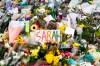
It was every woman’s worst nightmare come true when Sarah Everard’s body was found outside London, U.K., a week after she disappeared on March 3. The 33-year-old marketing executive was last seen walking home after visiting a friend.
On Friday, British police arrested a serving Metropolitan Police officer, Wayne Couzens, with Everard’s murder and kidnapping. Her murder dominated world headlines, sparking rallies, outrage and dialogue about violence against women.
According to reports, her journey home included well-lit paths and streets bustling with traffic. Yet, this seemingly routine activity of walking home resulted in her death.
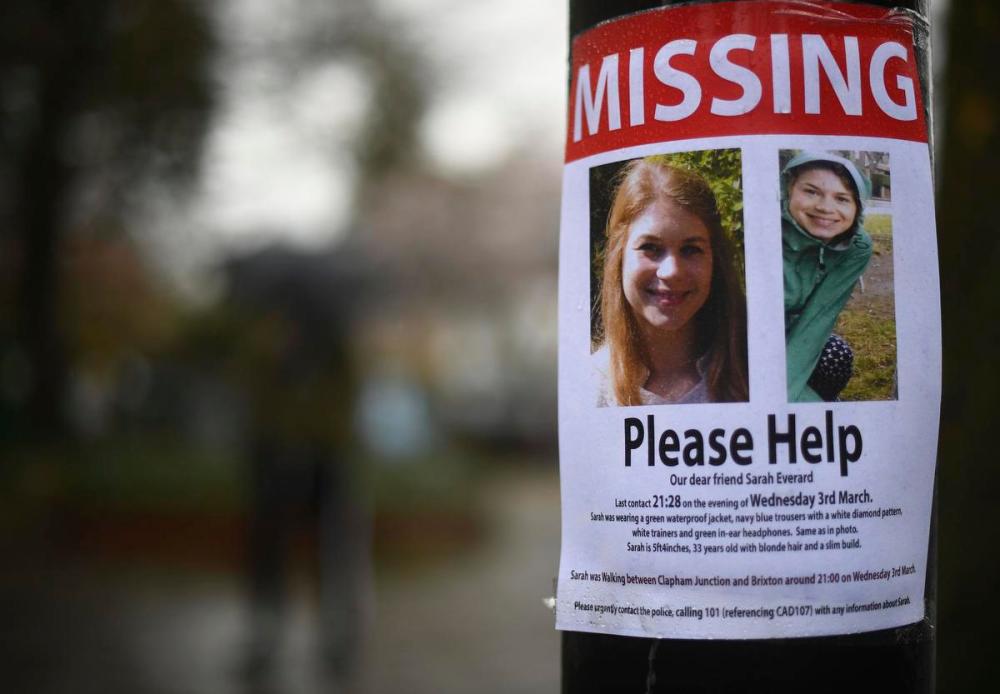
Everard wasn’t safe. And neither is any other female. Women around the world are under attack; because 1-in-3 women around the world is subjected to either physical and/or sexual intimate partner violence or nonpartner sexual violence in their lifetime.
Girls are aware of the threats against them from a young age. Almost every woman I know has experienced sexual or physical violence from a man; it’s almost a normality. These have become the anthems of millions of women courageously sharing horror stories about rape, violence and in some cases barely escaping with their lives.
I know. I am one of them. At age 12, I was raped by two men and held against my will in Edmonton after I ran away from a group home. I barely escaped with my life. The men saw no wrong with raping an underaged child and were never brought to justice for what they did. This is the kind of entitlement that many men have toward women and our bodies. It’s terrifying.
There’s a code of safety and protection that women practice because we must. We don’t go walking alone at dusk, or nighttime, unless we have a big dog or carry pepper spray. We look over our shoulders when walking alone in an underground parking lot.
We even avoid taking cab rides alone with a male driver. If I have to I make sure to sit in the front seat and clutch my cellphone and the door handle, just in case. It’s not safe to even walk from our vehicles to our homes at night in some places.
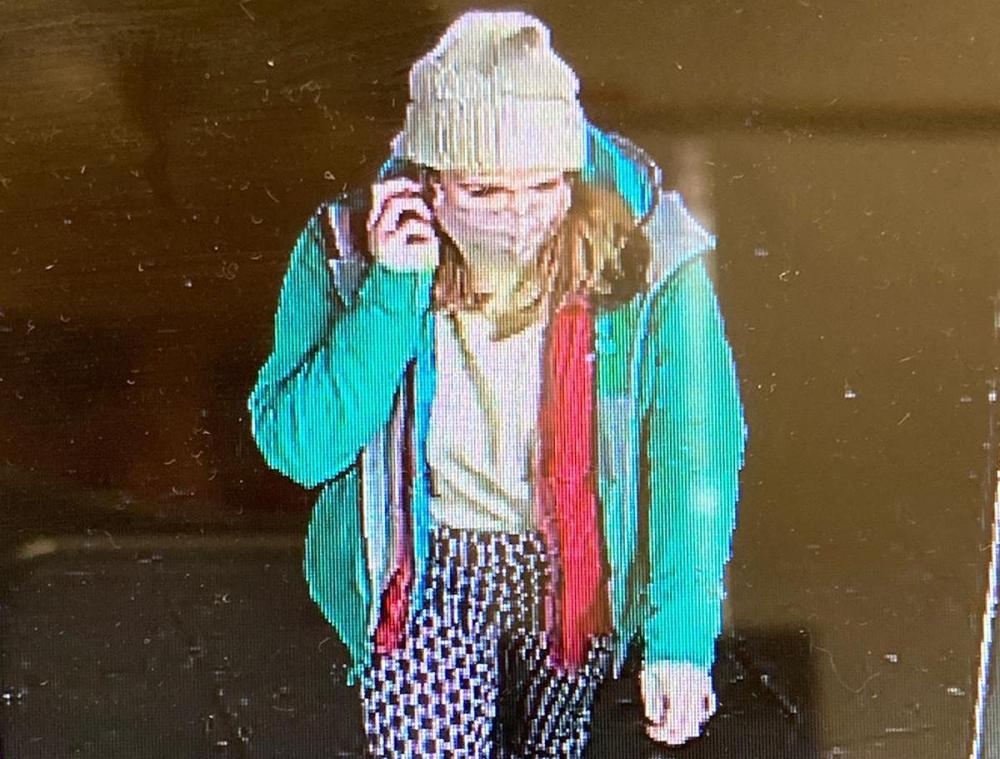
I also have fear of law enforcement. I’ve heard first-hand testimony of RCMP raping Indigenous women and girls or treating them violently. It’s documented in a Human Rights Watch report released in 2013. For years I’ve been afraid of being pulled over by police if I’m driving out of the city at night and alone. So, I tell myself if it ever happens, I will speed to the nearest town and then pull over because I don’t trust the cops otherwise.
The fact that Everard’s accused murderer is a police officer, supposedly working to serve and protect London citizens, is appalling and confirming of these fears. He, too, felt entitled.
Almost every woman I know has been catcalled, solicited for sexual encounters online or sent dick pics from out-of-control men who perpetuate perversion and violence.
In North America, Indigenous women have it worse — 12 times worse than non-Indigenous women. Imagine being a target of potential violence in society just because you’re a woman, but then knowing the stakes are way higher if you’re Indigenous. The United Nations calls violence against women a pandemic, but, there’s a genocidal pandemic against Indigenous women and not much is being done about it.
Sexual assault, violence and murder of women is a global emergency. Society should unite to end it.
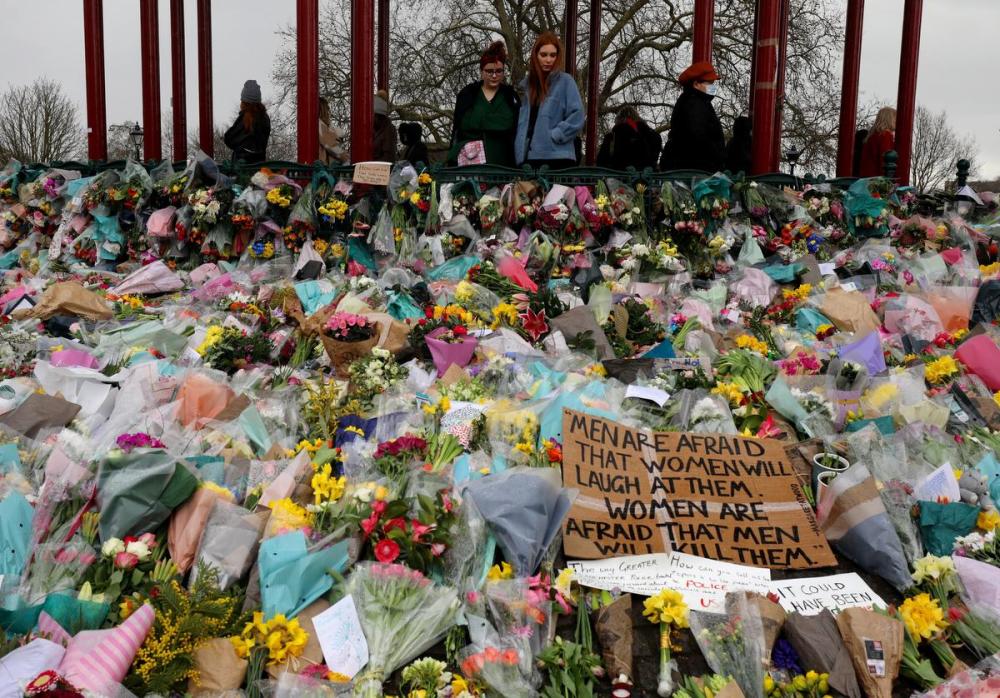

But, according to UN Women, less than 40 per cent of women who experience violence seek help of any sort.
My 16-year-old daughter knows about what happened to Everard, she knows about what happens to Indigenous women and girls. The other day at dinner she brought up Everard, sighed and said, “I just don’t trust any men in this world.”
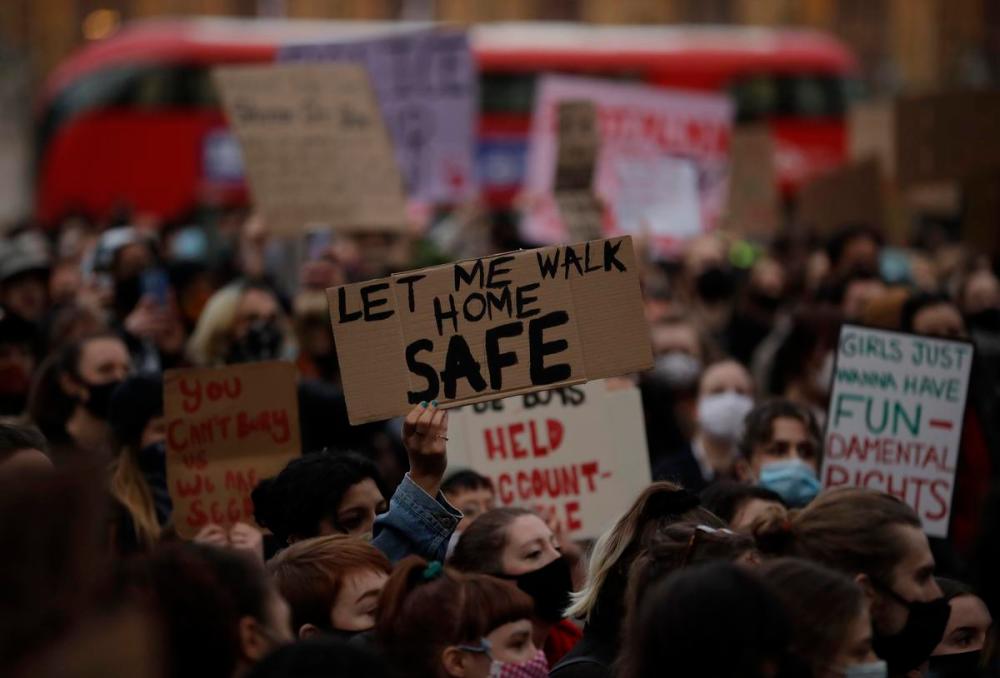
That broke my heart. I told her to take precautions, and that not all men are this way. “Things are changing my girl,” I said. Women are taking back their power by speaking out, rallying, and educating their sons about the value of women and respecting us.
Governments need to put these human rights violations at the top of their priority lists and perpetrators should be dealt with harshly. The day when women are safe to walk home will be an accomplishment the world can celebrate.
Brandi Morin is an award-winning French/Cree/Iroquois journalist from Treaty 6 in Alberta.
Related Articles
UK police officer admits killing woman abducted on walk home
Advertisement Advertise With Us
Advertisement Advertise With Us