

Haiti’s tragedy has been decades in the making
Advertisement
Read this article for free:
or
Already have an account? Log in here »
To continue reading, please subscribe:

Digital Subscription
One year of digital access for only $205*
- Enjoy unlimited reading on winnipegfreepress.com
- Read the E-Edition, our digital replica newspaper
- Access News Break, our award-winning app
- Play interactive puzzles
*First annual payment billed as $205.00 + GST for one year. This annual subscription will automatically renew at $233.00 + GST every 52 weeks (10% off the regular annual price of $259.35). Offer available to new and qualified returning subscribers only. Cancel any time.
To continue reading, please subscribe:
Add Free Press access to your Brandon Sun subscription for only an additional
$1 for the first 4 weeks*
- Enjoy unlimited reading on winnipegfreepress.com
- Read the E-Edition, our digital replica newspaper
- Access News Break, our award-winning app
- Play interactive puzzles
*Your next Brandon Sun subscription payment will increase by $1.00 and you will be charged $17.95 plus GST for four weeks. After four weeks, your payment will increase to $24.95 plus GST every four weeks.
Read unlimited articles for free today:
or
Already have an account? Log in here »
Hey there, time traveller!
This article was published 07/07/2021 (1864 days ago), so information in it may no longer be current.
“They were fed up with poverty. They were worn out. The most reasonable among them were losing their senses. The strongest were wavering. As for the weak, they had given up. ‘What’s the use?’ they said.”
It speaks to the tragedy of Haiti that nigh-on eight decades after the Haitian writer and nationalist Jacques Roumain penned those words they still carry such currency, such weight.
And so it is that the horrors of the present day in Haiti’s capital of Port-au-Prince are a shock, but not a surprise.
In September, gunmen assassinated lawyer and constitutional expert Monferrier Dorval. A prominent Haitian businessman was shot dead the same day. So, too, a journalist.
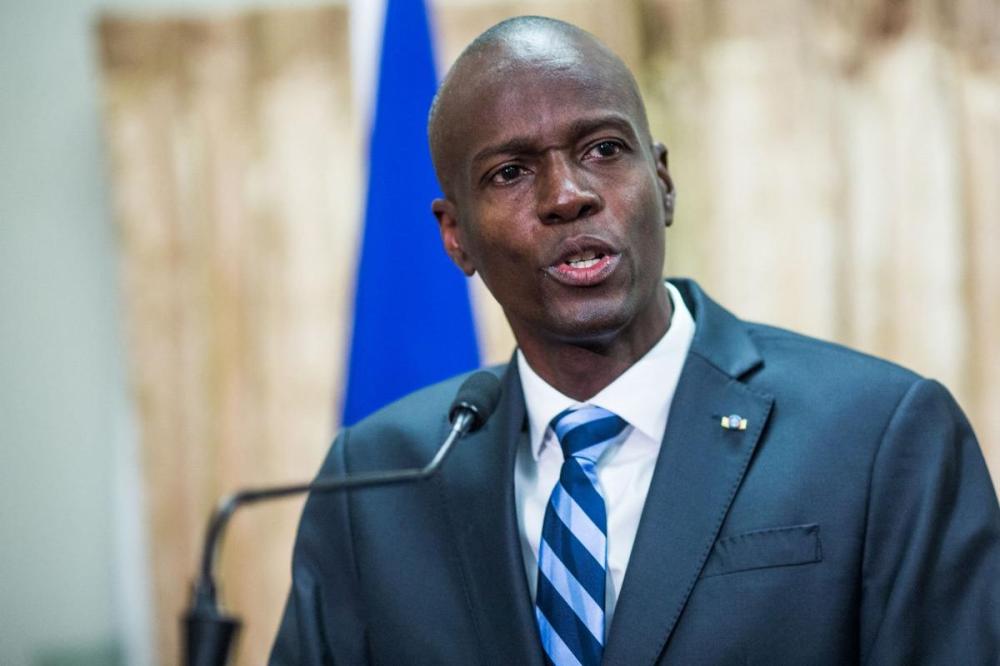
The wheels had come off any frail semblance of peace and good governance long before a hit squad entered the home of President Jovenel Moïse on Wednesday, killing Moïse in a barrage of gunfire and wounding his wife Martine. The country has been gang-run for months. Make that years.
Consider a statement from the UN Security Council last March. The council called – urgently — for free, fair, transparent and credible legislative elections, overdue since October, 2019. Food insecurity and malnutrition had exploded. Security in the country had utterly collapsed: the council cited gang violence and an increase in kidnappings. And homicides. And rapes. Of course there was the perennial plea for support from the international community.
Haiti is a country where the match is lit time and time again. And there’s always fresh tinder. In 2019 the country’s High Court of Auditors found that as much as $2 billion (U.S.) in funds never made its way to promised infrastructure and social development improvements, nor a planned strengthening of the national police force.
Moïse was implicated in what is known as the PetroCaribe scandal, which offered disadvantaged Caribbean countries an opportunity to purchase Venezuelan oil under what was billed as favourable terms. The funds temporarily not needed to keep the country’s energy supplies flowing were then supposed to be directed to development initiatives. One example from the auditor’s report: a planned development for 1,500 homes to be constructed outside the capital after the 2010 earthquake resulted in not a single dwelling being built.
No wonder protesters took to the streets and demanded Moïse’s ouster. The capital was in lockdown for months.
That was two and a half years ago.
Since January, 2020, Moïse has been ruling by executive decree, just as his predecessor Michel (Sweet Micky) Martelly did. And through all these months scant international attention has been paid.
Now the border with the Dominican Republic has been closed, commercial flights have ceased and confusion runs rampant as to who is in charge. The president of the country’s Supreme Court died of COVID-19 last week, further heightening the country’s constitutional crisis. It’s an added note of cruelty that Haiti has yet to commence a COVID immunization program. In contrast, more than eight million doses have been administered in the DR right next door.

Where does the bad news end?
We all know the answer to that: it doesn’t. The country’s devastating earthquake more than a decade ago triggered all those Build Back Better promises that crumbled just like the inadequate concrete that made the homes that housed the people who ended up in tents. And then the cholera came. The writer Jonathan Katz was right in subtitling his excellent book on Haiti, “How the World Came to Save Haiti and Left Behind a Disaster.”
It is more than a disaster now. Haiti is on fire.
There will be the inevitable calls for American intervention to deliver “stability,” reawakening memories of the American Occupation that began in 1915. In the 1920s Jacques Roumain was a voice for the people against the occupation. While that voice has long been silenced it serves still as a reminder of how Haiti was denied the self-determination it was owed, and how decisions made then predetermined tragic long-term outcomes.
Once again the world is paying attention. Inevitably, it will turn away.
Related Articles
Florida suspect in Haiti president killing deepens mystery
Advertisement Advertise With Us
Advertisement Advertise With Us