Idyllic childhood, injurious town
Poet, author Kazim Ali recalls his family's time in Jenpeg, the Manitoba Hydro community supporting construction of a northern hydroelectric dam in the 1970s; the town is long gone, but it's impact on Indigenous lives continues
Advertisement
Read this article for free:
or
Already have an account? Log in here »
To continue reading, please subscribe:

Digital Subscription
One year of digital access for only $205*
- Enjoy unlimited reading on winnipegfreepress.com
- Read the E-Edition, our digital replica newspaper
- Access News Break, our award-winning app
- Play interactive puzzles
*First annual payment billed as $205.00 + GST for one year. This annual subscription will automatically renew at $233.00 + GST every 52 weeks (10% off the regular annual price of $259.35). Offer available to new and qualified returning subscribers only. Cancel any time.
To continue reading, please subscribe:
Add Free Press access to your Brandon Sun subscription for only an additional
$1 for the first 4 weeks*
- Enjoy unlimited reading on winnipegfreepress.com
- Read the E-Edition, our digital replica newspaper
- Access News Break, our award-winning app
- Play interactive puzzles
*Your next Brandon Sun subscription payment will increase by $1.00 and you will be charged $17.95 plus GST for four weeks. After four weeks, your payment will increase to $24.95 plus GST every four weeks.
Read unlimited articles for free today:
or
Already have an account? Log in here »
Hey there, time traveller!
This article was published 25/09/2021 (1819 days ago), so information in it may no longer be current.
An abridged excerpt from Northern Light: Power, Land, and the Memory of Water, by Kazim Ali (Goose Lane Editions).
Kazim Ali’s earliest memories are of Jenpeg, a temporary town in the forests of northern Manitoba where his immigrant father worked on the construction of a hydroelectric dam. As a child, Ali had no idea that the dam was located on the unceded lands of the Indigenous Pimicikamak, the “people of rivers and lakes.”
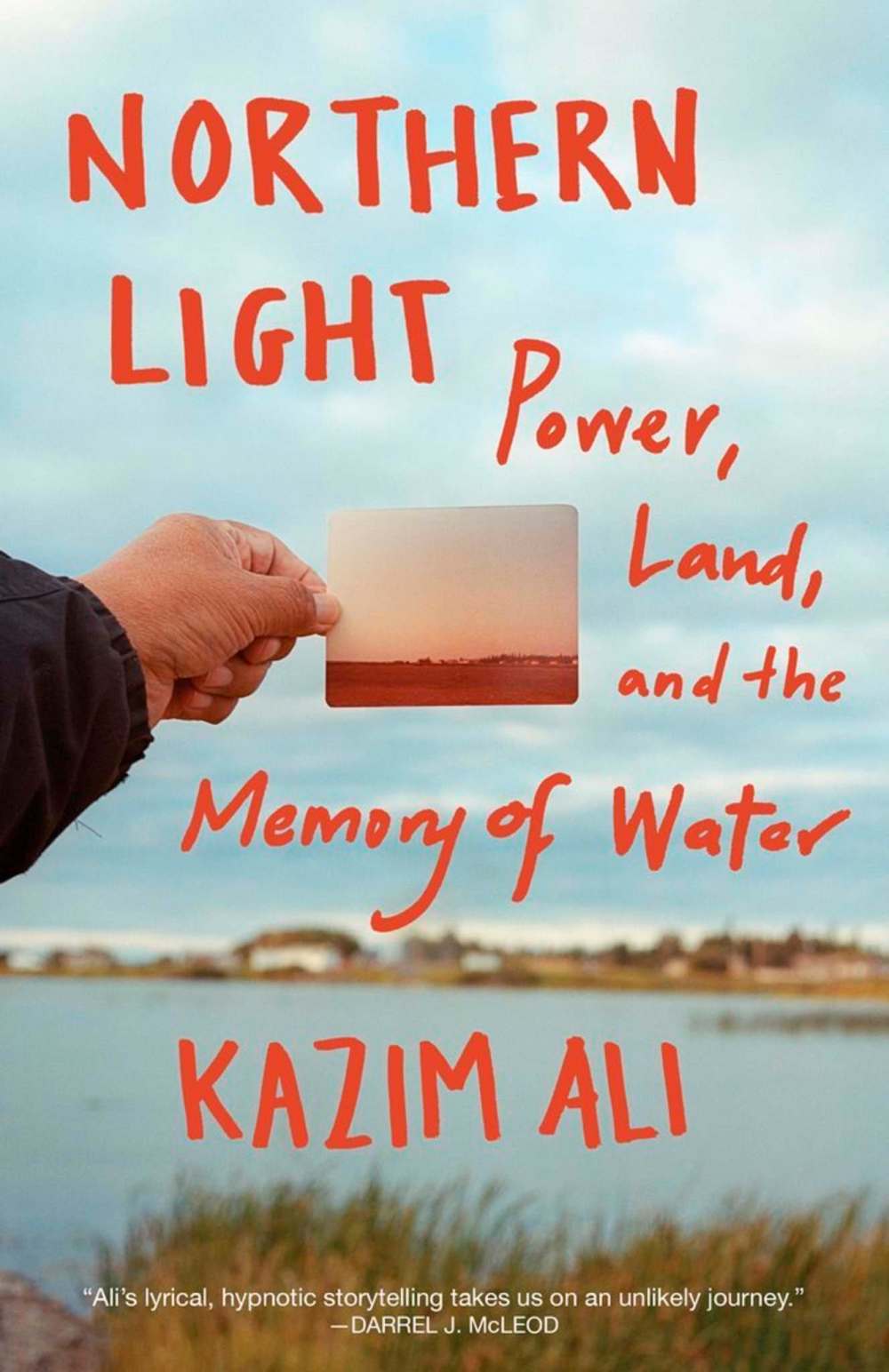
Northern Light recounts Ali’s memories of his childhood and his return to Pimicikamak as an adult. During his visit, he searches for the sites of his childhood memories and learns more about the realities of life in Pimicikamak: the environmental and social impact of the Jenpeg dam, the effects of colonialism and cultural erasure and the community’s initiatives to preserve and strengthen its identity. Deeply rooted in place, Northern Light is both a stunning exploration of home, belonging and identity and an immersive account of contemporary life in one Indigenous community.
● ● ●
My father was an electrical engineer, working for Manitoba Hydro, the province’s electrical power authority, and it was his job that took us north.
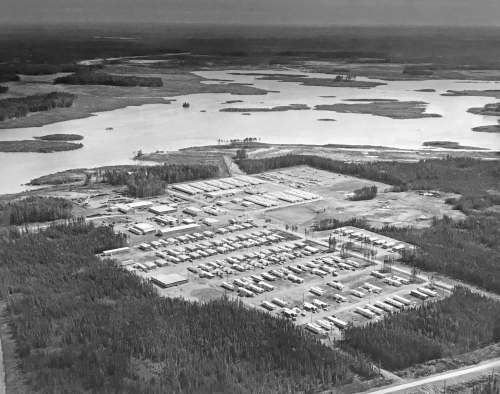
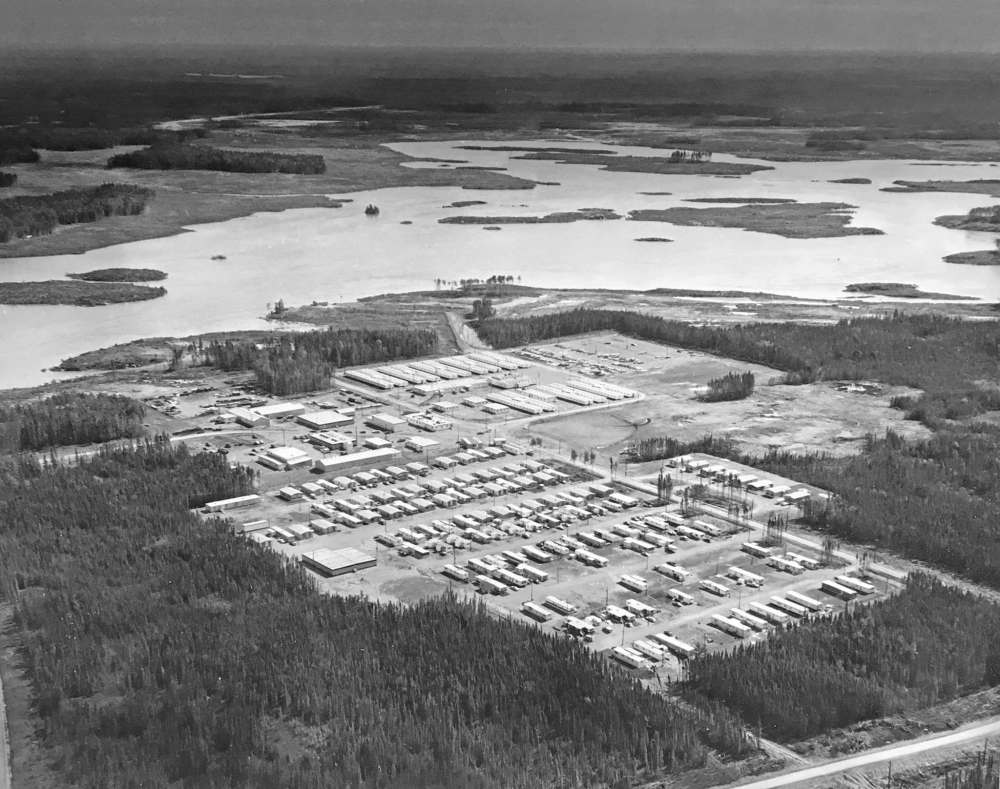
Jenpeg was a small settlement of single and double trailers, built by Manitoba Hydro and perched on the banks of the Nelson River deep in the great boreal forests of the Canadian North. There were five residential streets named First, Second, Third, Fourth and Fifth; a street with businesses on it (that we all perhaps optimistically, yet accurately, called “Downtown”); and a street simply called the Main Road running perpendicular and connecting the other six.
When we first moved to Jenpeg, our family lived on Second Street, and then later when my father was promoted, we moved to another trailer on a little crescent off Main Road called — also optimistically — Nob Hill.
At the time Jenpeg was several hours by car on dirt roads from Wabowden, the closest provincial town, northwest of Jenpeg, on the trunk road from Winnipeg to Thompson, a mining town even further north, where my uncle Ifteqar later moved with his family. Another town was even closer: Cross Lake, on the Cross Lake Indian Reserve, but it was inaccessible by road from Jenpeg, except in the winter, when the lake had frozen over and you could drive across the ice.
It is of this isolated town, with its dirt roads and gravel driveways, that I have most of my earliest memories. It was there that I first attended school; there that I learned to read and write; there where I first looked up into the sky and asked my father questions about the designs I saw written there. Mine was, in many ways, an idyllic childhood. We stayed close to home: my sisters and our friends and I would play in our yards and the fields around town, warned by our parents to stay within sight of the buildings, since the woods that ringed us were home to bears, wolves, wolverines, moose, and other animals besides. In the winters we would snowshoe, or cross-country ski, or drag our toboggans to a slope behind the school and slide down into a hollow at the edge of the woods.

My father was there to work on the hydroelectric system of a generating station that would dam the Nelson River and provide power to Winnipeg and other cities to the south. That was an era of great projects. All across the Canadian North, the provinces were diverting local water systems into a few larger rivers and then damming those rivers.
After extensive surveying of various rivers, Manitoba Hydro had identified the Nelson River, which flows from Lake Winnipeg north through the Cross Lake system and ultimately emptying into Hudson Bay, as an ideal site for a hydroelectric energy generating station. Some 1,500 workers and their families moved up into the forest where a clearing had been created, only a few kilometres from where the dam would be built. Single and double trailers were driven up to the site to create a town. The name “Jenpeg,” according to the story I always heard in my childhood, came from two women who worked in the Manitoba Hydro central offices in Winnipeg named Jenny and Peggy.
I had long wondered what became of the town I grew up in, with the tall green spruces seeming to brush against the often cloudy and low grey sky, the tepid summers, chilly autumns and dark, thunderous winters. That landscape was the milieu of my childhood.
As far as I can remember we were the only non-white family in the town. Of the approximately 400 people who lived there, about 100 or so of us were children in the local school, which went from kindergarten to eighth grade. The kids who were high school age went to boarding school in Wabowden, coming home on the weekends. Of the five of us in my own immediate family, I may be the only one who still thinks about that place. When I asked my mother about what life was like there, she had to think about it a little. She said, “We were so young, we loved the people there.” She told me about the friends she made among the other wives of the workers on the dam and about the minor battles she had with the school principal to get the teachers to work with me one on one because I was so bored in my classes. Still, when I told her I was trying to write about it, she was surprised, saying, “You know that we only lived there for a few years?”
● ● ●
We moved from Jenpeg in 1979, the summer before I started third grade. Our new home, on Staten Island, would be the furthest I could have imagined from that town in the woods. My new school, P.S. 22, had 1,000 students riding buses from all over the island; the adjustment was not easy. Back in Manitoba, construction on the dam was completed in one more year, and the trailers were packed up and driven off the land: Jenpeg ceased to exist.
As the years went by, and one by one, my parents’ brothers and sisters and their families moved from Manitoba to the Greater Toronto Area, the forests of the North receded from my memory. From time to time I mused again on childhood days, but mostly those first winters of Jenpeg were replaced in my imagination and in my daily life by the equally snow-filled winters of western New York, where I mainly grew up after we left New York City, and later the winters of Ohio, where I lived for many years. It was in the middle of one such winter, in a drafty old Midwestern house in Oberlin, with a polar vortex howling down through Canada to reach its icy grip around the southern shore of Lake Erie, that I began thinking again of the town where I grew up. Was the site still there? Was the dam still operational? I had no idea.
I typed the word “Jenpeg” into a search engine, but barely any results returned. The first few stories were just dry technical accounts of the generating station, which was indeed still in operation. There was no information at all about a town called Jenpeg. But then, further down the feed, I happened upon an article from several years earlier, entitled “Manitoba Hydro Evicted from Northern Dam Station.” Evicted? I didn’t understand. Didn’t Manitoba Hydro own the land? Who was evicting them? And on whose land had I grown up?
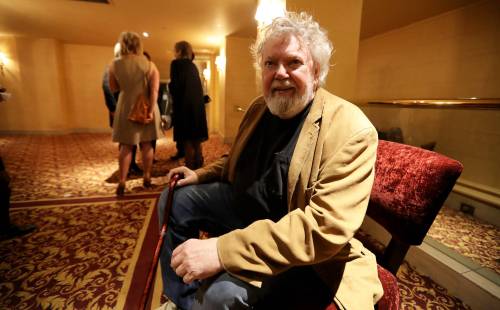
Poet, editor and prose writer Kazim Ali was born in the United Kingdom to Muslim parents of Indian, Iranian and Egyptian descent and raised in Canada and the United States. He is the author of seven poetry collections, two novels and three works of non-fiction. He teaches at the University of California, San Diego.
Kazim Ali’s memoir, Northern Light, set in northern Manitoba, is one of more than 50 writers, live events, and interactive community features in this year’s hybrid Winnipeg International Writers Festival. To watch videos of Kazim, prepared specifically for the festival, visit thinairfestival.ca.