Awkward script, rough road trip

Advertisement
Read this article for free:
or
Already have an account? Log in here »
To continue reading, please subscribe:

Digital Subscription
One year of digital access for only $205*
- Enjoy unlimited reading on winnipegfreepress.com
- Read the E-Edition, our digital replica newspaper
- Access News Break, our award-winning app
- Play interactive puzzles
*First annual payment billed as $205.00 + GST for one year. This annual subscription will automatically renew at $233.00 + GST every 52 weeks (10% off the regular annual price of $259.35). Offer available to new and qualified returning subscribers only. Cancel any time.
To continue reading, please subscribe:
Add Free Press access to your Brandon Sun subscription for only an additional
$1 for the first 4 weeks*
- Enjoy unlimited reading on winnipegfreepress.com
- Read the E-Edition, our digital replica newspaper
- Access News Break, our award-winning app
- Play interactive puzzles
*Your next Brandon Sun subscription payment will increase by $1.00 and you will be charged $17.95 plus GST for four weeks. After four weeks, your payment will increase to $24.95 plus GST every four weeks.
Read unlimited articles for free today:
or
Already have an account? Log in here »
Hey there, time traveller!
This article was published 18/02/2022 (1693 days ago), so information in it may no longer be current.
I love dogs, but I don’t always love dog movies. They usually involve dog hardships (arduous journeys, fights with wolves, falls through ice), which make me stressed, and then dog sentimentalities (either sad death scenes or happy last-minute reunions), which make me sob, even when the movie is bad.
This is not that kind of dog movie. The question is, what kind of dog movie is it?
The debut feature from directing team Reid Carolin and Channing Tatum, who also stars, Dog is trying to be a buddy picture, a road-trip movie, a comedy romp and a damning indictment of how America treats its military veterans. It ends up being a tonal disaster that even a very good dog can’t rescue.
The story, from Carolin and Brett Rodriguez (who worked on an HBO documentary about war dogs), starts off with a nice, neat setup. Briggs (Tatum), an army ranger veteran who is living with a traumatic brain injury, wants to get some lucrative private military contractor work in Central Asia, but his former commanding officer is reluctant to sign off on his fitness for returning to the field. When the dog handler in Briggs’s old unit dies, his C.O. makes a deal: If Briggs can prove himself by getting the handler’s troubled dog to the funeral 1,500 miles away and then dropping her off to be euthanized, he’ll put in the word.
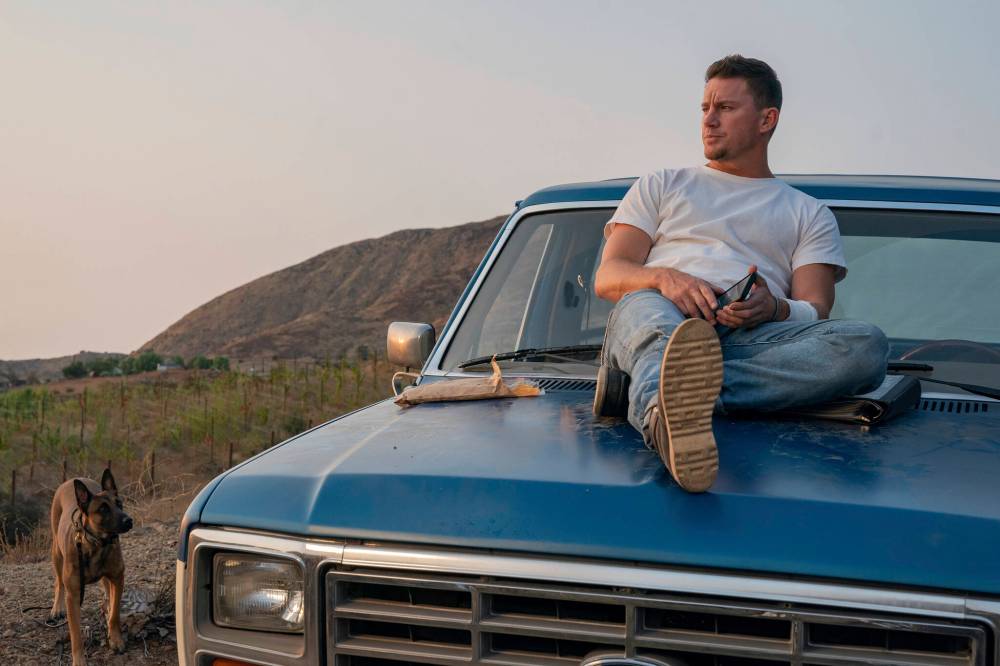
Lulu, a beautiful Belgian Malinois suffering from severe PTSD, doesn’t trust Briggs. And Briggs, in deep denial about his own pain, doesn’t much like Lulu. But off they go in a 1984 Ford Bronco, heading down the scenic coast of the Pacific Northwest.
The first stop in Portland feels like a rearguard culture war between “real Americans” and oblivious urban elites, while a weird run-in with New Age cannabis farmers is only slightly better.

A scene in San Francisco in which Lulu, trained to maul enemy combatants in Afghanistan, goes after an Arab-American man in a hotel lobby, is just plain uncomfortable. And I don’t blame the dog. I blame the screenwriters.
Briggs also has an encounter with estranged family members and gets a life lesson from a fellow veteran, but most of the movie’s runtime involves him holding one-sided conversations with the dog (though Lulu occasionally expresses herself by chewing car upholstery or making a break for it). Tatum has always had a likeable screen presence — is there anything better than his tapdancing scene in Hail, Caesar!? — but he really tests its limits with this uncertain, underwritten role.
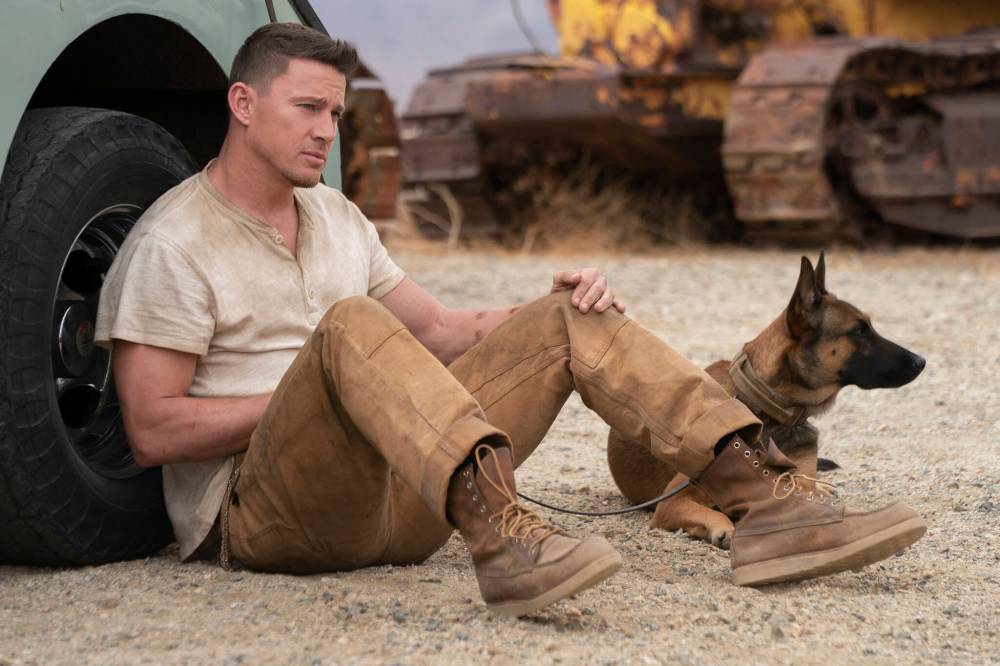
Eventually, Briggs starts to admit he’s suffering not just physical injury but emotional trauma, and many of the things he says about Lulu are also about him. “The army has no place for liabilities,” he tells her. Civilians want you to be “sad and stoic,” but they can never understand what you’ve gone through.
But the serious notes come too late, most of the comedy is unfunny, and even man’s best friend can’t salvage this misguided vanity project.
alison.gillmor@freepress.mb.ca
Studying at the University of Winnipeg and later Toronto’s York University, Alison Gillmor planned to become an art historian. She ended up catching the journalism bug when she started as visual arts reviewer at the Winnipeg Free Press in 1992.
Our newsroom depends on a growing audience of readers to power our journalism. If you are not a paid reader, please consider becoming a subscriber.
Our newsroom depends on its audience of readers to power our journalism. Thank you for your support.
MOVIE REVIEW
DOG
Starring Channing Tatum and Lulu
● McGillivray, Polo Park, St. Vital, Towne
● PG
● 90 minutes
★ out of five
Studying at the University of Winnipeg and later Toronto’s York University, Alison Gillmor planned to become an art historian. She ended up catching the journalism bug when she started as visual arts reviewer at the Winnipeg Free Press in 1992.
Our newsroom depends on a growing audience of readers to power our journalism. If you are not a paid reader, please consider becoming a subscriber.
Our newsroom depends on its audience of readers to power our journalism. Thank you for your support.
Related Articles
Channing Tatum and Magic Mike partner’s mutt mission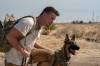
Advertisement Advertise With Us
Advertisement Advertise With Us