

Canadian incomes went up in 2020 amid uptake of pandemic benefits: census data
Advertisement
Read this article for free:
or
Already have an account? Log in here »
To continue reading, please subscribe:

Digital Subscription
One year of digital access for only $205*
- Enjoy unlimited reading on winnipegfreepress.com
- Read the E-Edition, our digital replica newspaper
- Access News Break, our award-winning app
- Play interactive puzzles
*First annual payment billed as $205.00 + GST for one year. This annual subscription will automatically renew at $233.00 + GST every 52 weeks (10% off the regular annual price of $259.35). Offer available to new and qualified returning subscribers only. Cancel any time.
To continue reading, please subscribe:
Add Free Press access to your Brandon Sun subscription for only an additional
$1 for the first 4 weeks*
- Enjoy unlimited reading on winnipegfreepress.com
- Read the E-Edition, our digital replica newspaper
- Access News Break, our award-winning app
- Play interactive puzzles
*Your next Brandon Sun subscription payment will increase by $1.00 and you will be charged $17.95 plus GST for four weeks. After four weeks, your payment will increase to $24.95 plus GST every four weeks.
Read unlimited articles for free today:
or
Already have an account? Log in here »
Hey there, time traveller!
This article was published 13/07/2022 (1523 days ago), so information in it may no longer be current.
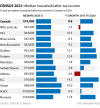
OTTAWA – Canadian incomes trended higher in 2020 everywhere except in Alberta and Newfoundland and Labrador, as millions benefited from pandemic supports, according to new census data from Statistics Canada.
The agency reports that median after-tax household income was $73,000 in 2020, up 9.8 per cent compared to its last national survey five years earlier, partly driven by the losses of lower-paying jobs.
Despite fewer Canadians receiving employment income during the pandemic, census data suggest job losses were partly offset by COVID-19 benefits as about two-thirds of Canadian adults received payments from relief programs.

The number of Canadians earning less than $20,000 grew by more than 415,000 as many lower-paid jobs disappeared.
But the low-income rate fell overall and the number of Canadians who reported no income shrank by nearly a million compared to 2019.

Experts had cautioned that the income data, which is based on Canada Revenue Agency tax and benefits records, would form a complicated picture of the early pandemic and should be seen as a snapshot in time.
This report by The Canadian Press was first published July 13, 2022.
Related Articles
More living alone, but roommates rising: census



Advertisement Advertise With Us