Europe drought: German industry at risk as Rhine level falls
Advertisement
Read this article for free:
or
Already have an account? Log in here »
To continue reading, please subscribe:

Digital Subscription
One year of digital access for only $205*
- Enjoy unlimited reading on winnipegfreepress.com
- Read the E-Edition, our digital replica newspaper
- Access News Break, our award-winning app
- Play interactive puzzles
*First annual payment billed as $205.00 + GST for one year. This annual subscription will automatically renew at $233.00 + GST every 52 weeks (10% off the regular annual price of $259.35). Offer available to new and qualified returning subscribers only. Cancel any time.
To continue reading, please subscribe:
Add Free Press access to your Brandon Sun subscription for only an additional
$1 for the first 4 weeks*
- Enjoy unlimited reading on winnipegfreepress.com
- Read the E-Edition, our digital replica newspaper
- Access News Break, our award-winning app
- Play interactive puzzles
*Your next Brandon Sun subscription payment will increase by $1.00 and you will be charged $17.95 plus GST for four weeks. After four weeks, your payment will increase to $24.95 plus GST every four weeks.
Read unlimited articles for free today:
or
Already have an account? Log in here »
Hey there, time traveller!
This article was published 16/08/2022 (1474 days ago), so information in it may no longer be current.
BERLIN (AP) — Germany’s main industry lobby group warned Tuesday that factories may have to throttle production or halt it completely because plunging water levels on the Rhine River are making it harder to transport cargo.
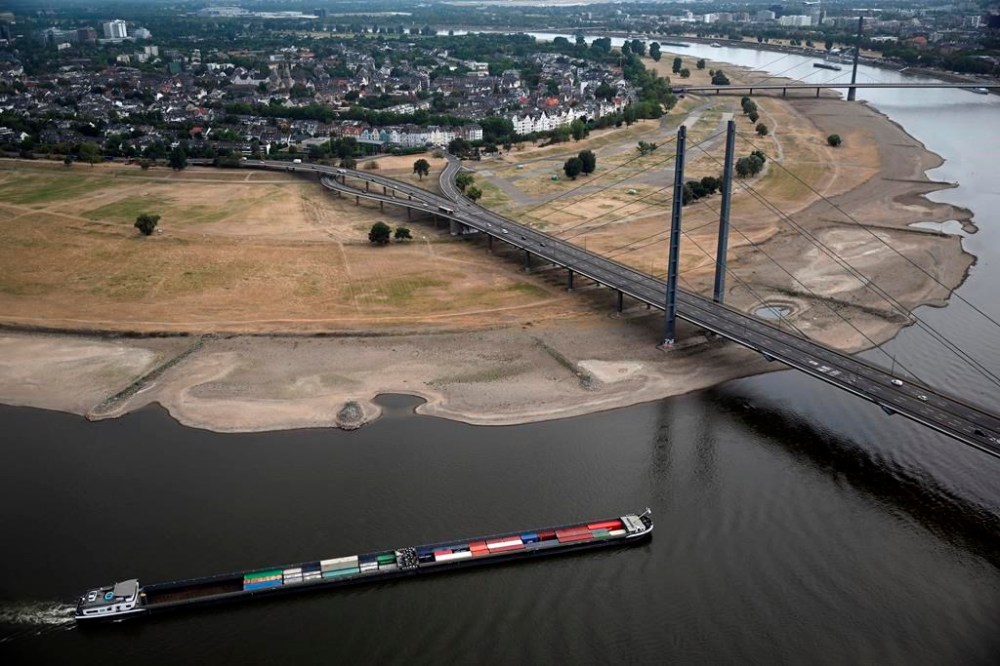
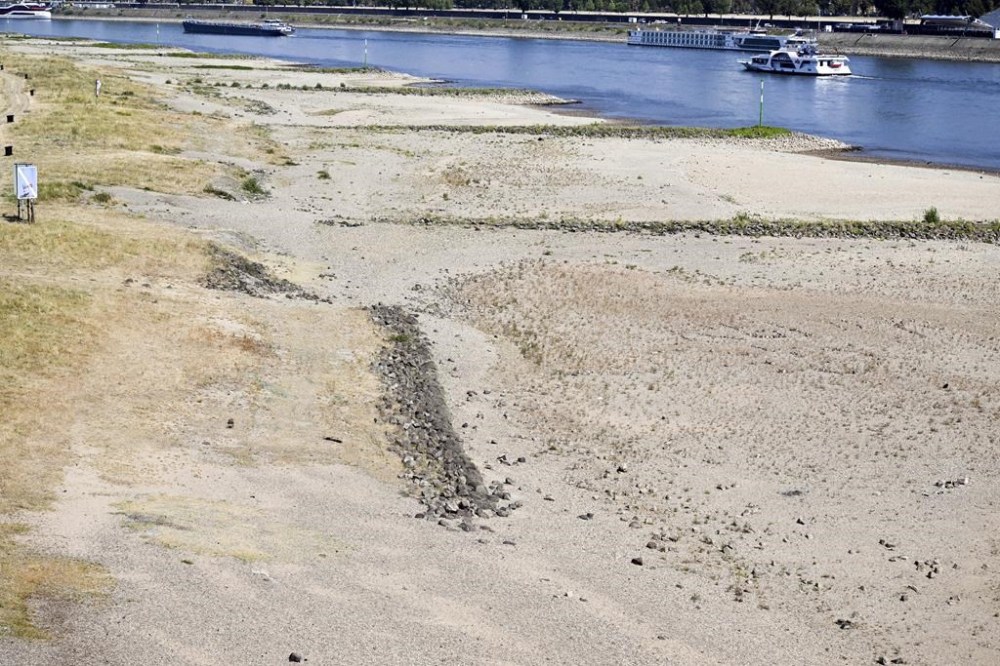
The Rhine’s level at Emmerich, near the Dutch border, dropped by a further four centimeters (1.6 inches) in 24 hours, hitting zero on the depth gauge.
Authorities say the shipping lane itself still has a depth of almost 200 centimeters (six feet, six inches), but the record low measurement Tuesday morning highlights the extreme lack of water caused by months of drought affecting much of Europe.
“The ongoing drought and the low water levels threaten the supply security of industry,” said Holger Loesch, deputy head of the BDI business lobby group.
Loesch said shifting cargo from river to train or transport was difficult because of limited rail capacity and a lack of drivers.
“It’s only a question of time before facilities in the chemical and steel industry have to be switched off, petroleum and construction materials won’t reach their destination, and high-capacity and heavy-goods transports can’t be carried out anymore,” he said, adding that this could lead to supply bottlenecks and short-time work might result.
Loesch warned that energy supplies could also be further strained as ships carrying coal and gasoline along the Rhine are affected.
Drivers in southern Germany already have to pay considerably more for fuel than those further north, according to Germany’s biggest motor club. The ADAC said diesel was being sold for under 1.82 euros ($1.84) per liter in Hamburg, while in the southwestern state of Baden-Wuerttemberg it cost on average 1.97 euros.

The BDI said droughts such as that seen this year could become more frequent in the future, and urged the government to help closely monitor water levels and react early to potential transportation problems on Germany’s waterways.
Experts say climate change is making extreme weather, including heatwaves and droughts, more likely.
Germany’s weather service has forecast heavy rain toward the end of the week that could provide some relief to river shipping companies.
___
Follow AP’s climate coverage at https://apnews.com/hub/climate-and-environment