

Prairie provinces leading on economic growth, a new report says
Advertisement
Read this article for free:
or
Already have an account? Log in here »
To continue reading, please subscribe:

Digital Subscription
One year of digital access for only $205*
- Enjoy unlimited reading on winnipegfreepress.com
- Read the E-Edition, our digital replica newspaper
- Access News Break, our award-winning app
- Play interactive puzzles
*First annual payment billed as $205.00 + GST for one year. This annual subscription will automatically renew at $233.00 + GST every 52 weeks (10% off the regular annual price of $259.35). Offer available to new and qualified returning subscribers only. Cancel any time.
To continue reading, please subscribe:
Add Free Press access to your Brandon Sun subscription for only an additional
$1 for the first 4 weeks*
- Enjoy unlimited reading on winnipegfreepress.com
- Read the E-Edition, our digital replica newspaper
- Access News Break, our award-winning app
- Play interactive puzzles
*Your next Brandon Sun subscription payment will increase by $1.00 and you will be charged $17.95 plus GST for four weeks. After four weeks, your payment will increase to $24.95 plus GST every four weeks.
Read unlimited articles for free today:
or
Already have an account? Log in here »
Hey there, time traveller!
This article was published 24/08/2022 (1453 days ago), so information in it may no longer be current.
OTTAWA – The Conference Board of Canada says the Prairie provinces will likely be the top economic performers this year, even as the Bank of Canada’s inflation-fighting measures quell the country’s overall economic output.
In a new report looking at factors that will drive Canada’s provincial economies between 2022 and 2024, the not-for-profit think tank says Saskatchewan will lead the country with real growth of 7.6 per cent this year and Alberta will see a 4.9 per cent gain.
It says the oil and gas sector will propel the Saskatchewan and Alberta economies through 2024.
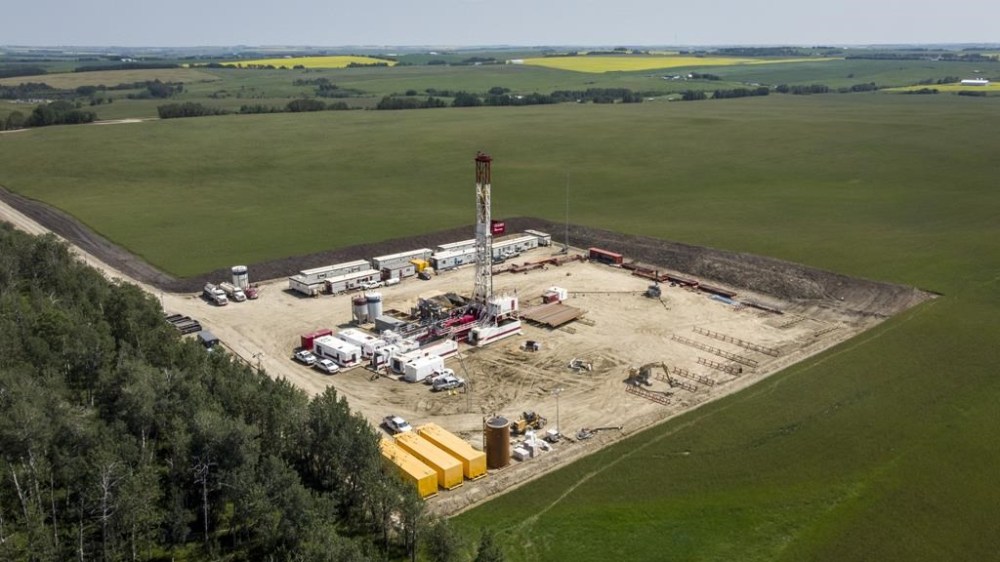
The report also says Newfoundland and Labrador will see stronger economic growth when offline oil production restarts in 2023.
An aging population could hold back growth for Quebec, the report adds, while a reversal in the remote work trend will limit gains in Atlantic Canada as some workers move away, particularly in Nova Scotia and New Brunswick.

The report says a pickup in the manufacturing, hospitality and recreation sectors will likely provide an economic boost in Ontario and British Columbia.
This report by The Canadian Press was first published Aug. 24, 2022.
Related Articles
Conference Board bullish on Manitoba economy
Advertisement Advertise With Us