Reconciliation’s rocky road
Waywayseecappo, neighbouring communities work together towards a harmonious future
Advertisement
Read this article for free:
or
Already have an account? Log in here »
To continue reading, please subscribe:

Digital Subscription
One year of digital access for only $205*
- Enjoy unlimited reading on winnipegfreepress.com
- Read the E-Edition, our digital replica newspaper
- Access News Break, our award-winning app
- Play interactive puzzles
*First annual payment billed as $205.00 + GST for one year. This annual subscription will automatically renew at $233.00 + GST every 52 weeks (10% off the regular annual price of $259.35). Offer available to new and qualified returning subscribers only. Cancel any time.
To continue reading, please subscribe:
Add Free Press access to your Brandon Sun subscription for only an additional
$1 for the first 4 weeks*
- Enjoy unlimited reading on winnipegfreepress.com
- Read the E-Edition, our digital replica newspaper
- Access News Break, our award-winning app
- Play interactive puzzles
*Your next Brandon Sun subscription payment will increase by $1.00 and you will be charged $17.95 plus GST for four weeks. After four weeks, your payment will increase to $24.95 plus GST every four weeks.
Read unlimited articles for free today:
or
Already have an account? Log in here »
Hey there, time traveller!
This article was published 09/09/2022 (1468 days ago), so information in it may no longer be current.
If you have ever travelled Highway 45, south of Riding Mountain National Park, you will remember seeing a sign for Waywayseecappo First Nation. It’s a name no one could ever forget.
Across the Birdtail River from the reserve sits the town of Rossburn. Valley of the Birdtail tracks the relationship between the reserve and the town, beginning with Waywayseecappo signing Treaty 4 in 1874.
While focusing mainly on schooling, the book also investigates other federal policies that have kept Waywayseecappo poor and separated from the prosperity of surrounding farms and villages. Andrew Stobo Sniderman and Douglas Sanderson, both scholars as well as lawyers specializing in human rights and Indigenous law, have done an outstanding job. This is a readable, meticulously researched and well-documented book.

JOE BRYKSA / WINNIPEG FREE PRESS FILES
Waywayseecappo education director Colleen Clearsky helped broker a 2010 funding deal.
What stands out is how long some draconian federal policies persisted. For example, after the Riel Rebellion in 1885, all Indigenous people were required to get written permission to leave to their reserves, even though very few had participated in the rebellion. Bureaucrats knew the regulation clearly contravened the treaties, yet it was enforced in some areas until 1941. For the people of Waywayseecappo, who relied on hunting and fishing, mainly in Riding Mountain, this regulation meant hunger.
Also, from 1882 until 1969, residents needed permission to sell food and animals off-reserve, a major barrier to trade with the growing communities that surrounded them. The Sun Dance, an annual ritual gathering at Waywayseecappo, was banned from 1895 to 1951. When the reserve hired a lawyer to argue its case against the ban in 1925, the Indian Act was quickly amended to make it next to impossible for First Nations to hire lawyers.
For many years Waywayseecappo’s children were sent away to residential schools, but by 1960 most were attending schools in Rossburn, with disastrous results: 80 per cent dropped out by Grade 8, and the percentage of students finishing Grade 10 actually declined during this period of integration.
It was a great struggle for the reserve to start its own elementary school in 1986. With per capita funding for Indigenous schools significantly lower than provincial schools, it was difficult to hire experienced teachers and keep them. Yet Waywayseecappo persisted and eventually negotiated a successful partnership with both federal and provincial governments as well as the local school division.
Since 2010, Waywayseecappo has received the same per capita funding as the rest of Manitoba and has been able to share resources with the Park West School Division. The deal is to the advantage of both parties; the population of Park West is declining, but that of Waywayseecappo is increasing. If Park West is going to maintain its services, it needs the flow of students from the reserve to its high schools in Rossburn and Russell.
Valley of the Birdtail

The results of this deal, negotiated by Colleen Clearsky, the reserve’s director of education, have been impressive: class sizes are down, reading levels are up, behaviour and attendance have improved and staff stay on, year after year. One of those staff members is principal Troy Luhowy, who grew up in Rossburn and began teaching at Waywayseecappo in 2006.
In 2017, Park West School Division hired Maureen Twovoice, a former student at Waywayseecappo and Rossburn, as Indigenous co-ordinator. The stories of the Luhowy and the Twovoice families, each with their own perspectives and their own journeys, permeate the book.
Though this may sound like a story with a happy ending, the authors argue that most First Nations will need far more reliable sources of revenue than the federal government for self-government to truly succeed.
Altogether, Valley of the Birdtail is a wake-up call and an important contribution to the truth we all need to know before racism can end and reconciliation begin.
Faith Johnston is a Winnipeg writer who comes from a town near Rossburn. On a recent visit to the area, the Rossburn Hotel was completely booked because of a pow wow, so she stayed at a campsite.

JOE BRYKSA / WINNIPEG FREE PRESS FILES
Rossburn Collegiate’s logo recognizes the partnership with Waywayseecappo First Nation.
JOE BRYKSA / WINNIPEG FREE PRESS FILES
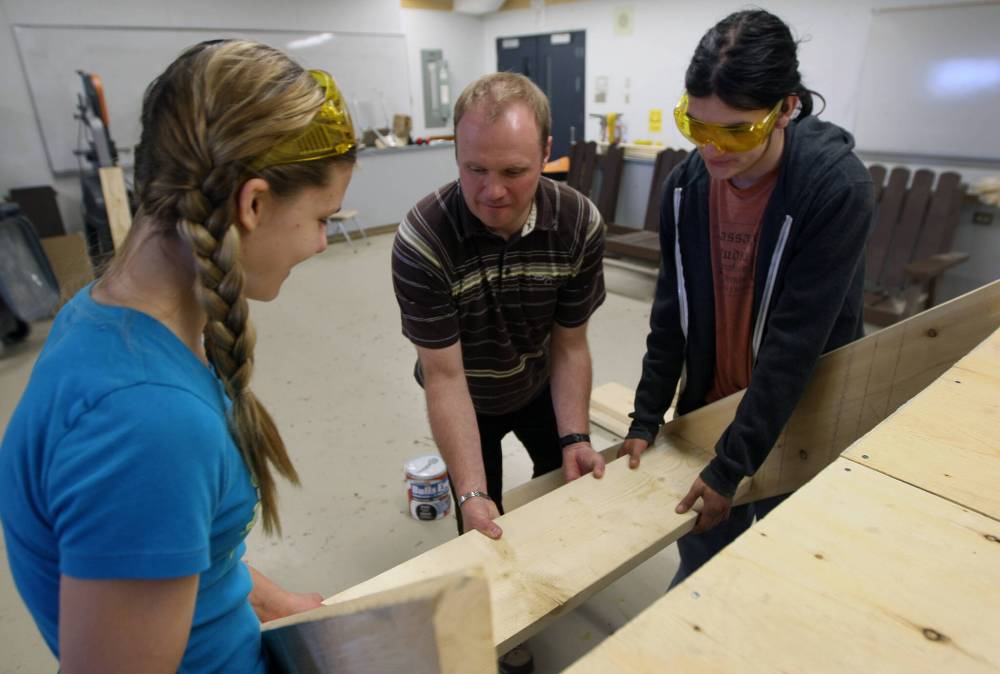
In this 2012 photo, Waywayseecappo School principal Troy Luhowy (centre) helps Rossburn Collegiate students in shop class.

JOE BRYKSA / WINNIPEG FREE PRESS FILES
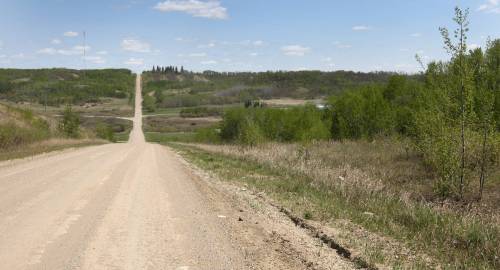
The road up the hill leaving Waywayseecappo First Nation. For years children were sent to residential schools; by 1960 most attended school in neighbouring Rossburn, with disastrous results.
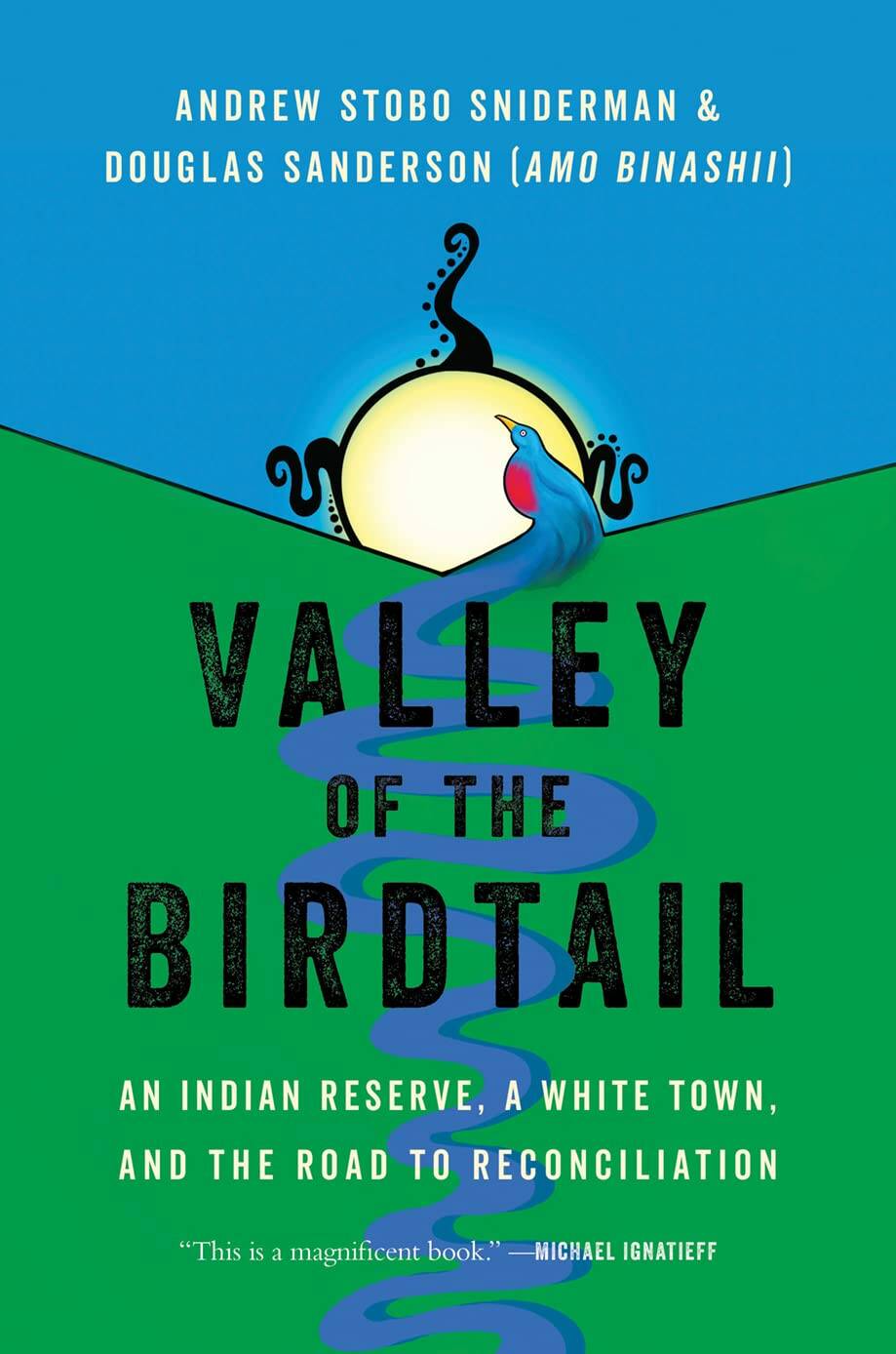
Valley of the Birdtail: An Indian Reserve, a White Town, and the Road to Reconciliation
By Andrew Stobo Sniderman and Douglas Sanderson
HarperCollins, 384 pages, $37
Buy on mcnallyrobinson.com
Related Articles
Valley of the Birdtail: How two Manitoba communities came together to build a road toward reconciliation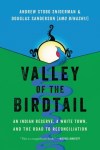
Advertisement Advertise With Us
Advertisement Advertise With Us
History
Updated on Saturday, September 10, 2022 11:15 AM CDT: Fixes spelling of Stobo