

Heritage minister, Google clash over online streaming bill
Advertisement
Read this article for free:
or
Already have an account? Log in here »
To continue reading, please subscribe:

Digital Subscription
One year of digital access for only $205*
- Enjoy unlimited reading on winnipegfreepress.com
- Read the E-Edition, our digital replica newspaper
- Access News Break, our award-winning app
- Play interactive puzzles
*First annual payment billed as $205.00 + GST for one year. This annual subscription will automatically renew at $233.00 + GST every 52 weeks (10% off the regular annual price of $259.35). Offer available to new and qualified returning subscribers only. Cancel any time.
To continue reading, please subscribe:
Add Free Press access to your Brandon Sun subscription for only an additional
$1 for the first 4 weeks*
- Enjoy unlimited reading on winnipegfreepress.com
- Read the E-Edition, our digital replica newspaper
- Access News Break, our award-winning app
- Play interactive puzzles
*Your next Brandon Sun subscription payment will increase by $1.00 and you will be charged $17.95 plus GST for four weeks. After four weeks, your payment will increase to $24.95 plus GST every four weeks.
Read unlimited articles for free today:
or
Already have an account? Log in here »
Hey there, time traveller!
This article was published 06/10/2022 (1445 days ago), so information in it may no longer be current.
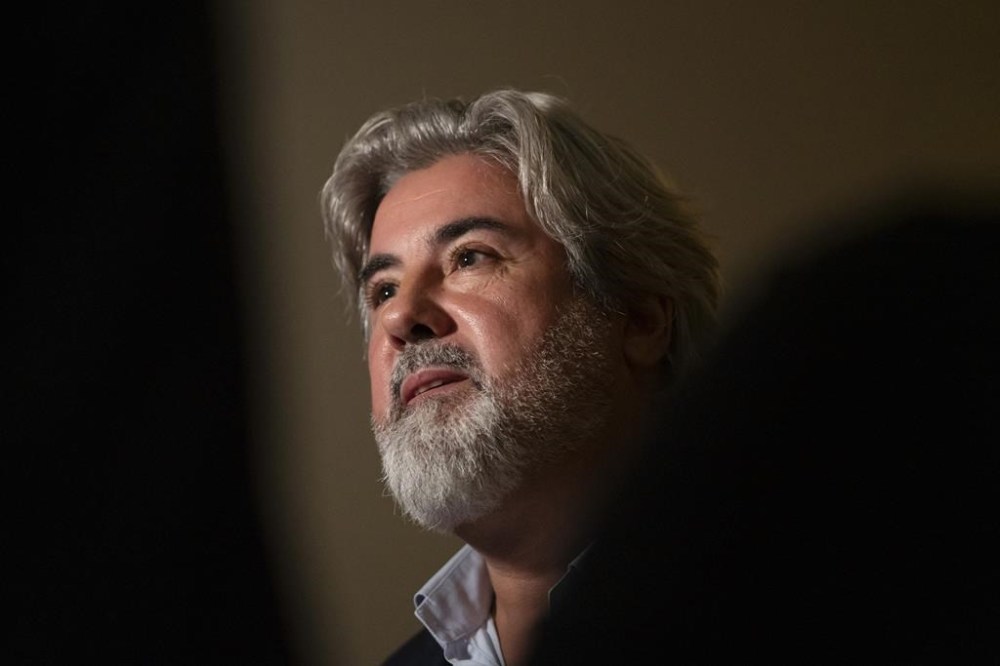
OTTAWA – Heritage Minister Pablo Rodriguez said he doesn’t appreciate Google “trying to intimidate Canadians,” after the company pushed back on the government’s proposed online streaming bill.
Google published a blog post on Wednesday advocating against Bill C-11, saying it has the potential to “disadvantage the Canadian creators.”
When asked about that criticism, Rodriguez said the proposed law simply asks streaming companies — including YouTube, which is owned by Google’s parent company, Alphabet — to contribute to Canadian culture.
The online streaming bill, which has passed the House of Commons and is now being considered by the Senate, would force streaming platforms to promote Canadian TV, movies, videos or music, and help fund Canadian content.
YouTube executive Jeanette Patell said the amendments the company is asking for will not limit the financial contribution it’s already making to support Canadian content.
Patell told a Senate committee last month that Bill C-11 gives far too much discretion to Canada’s broadcasting regulators to make demands around user-generated content.
In June, before Parliament’s summer break, the House of Commons passed Bill C-11 with more than 150 amendments. The Senate decided not to rush its passage and instead take a more thorough look this fall.
The bill has been sharply opposed by digital-first creators and Conservative MPs, who claim it would allow a future government to regulate people posting videos on YouTube — a charge the government denies.
If senators decide to amend the bill, it would have to be sent back to the House of Commons for approval before it can become law.
In a statement, Patell said YouTube will continue to engage “constructively and transparently” in the conversation.
“We strongly believe that we have a responsibility to inform Canadian users and creators of how this bill could impact their YouTube experience, and in some cases their livelihoods,” Patell said.
This report by The Canadian Press was first published Oct. 6, 2022.
Related Articles
Google has 'serious' concerns with Liberal bill requiring platforms to pay for news
Advertisement Advertise With Us