In Conversation with Kate Beaton
Nova Scotia cartoonist traces her journey from daily comics to long-form storytelling
Advertisement
Read this article for free:
or
Already have an account? Log in here »
To continue reading, please subscribe:

Digital Subscription
One year of digital access for only $205*
- Enjoy unlimited reading on winnipegfreepress.com
- Read the E-Edition, our digital replica newspaper
- Access News Break, our award-winning app
- Play interactive puzzles
*First annual payment billed as $205.00 + GST for one year. This annual subscription will automatically renew at $233.00 + GST every 52 weeks (10% off the regular annual price of $259.35). Offer available to new and qualified returning subscribers only. Cancel any time.
To continue reading, please subscribe:
Add Free Press access to your Brandon Sun subscription for only an additional
$1 for the first 4 weeks*
- Enjoy unlimited reading on winnipegfreepress.com
- Read the E-Edition, our digital replica newspaper
- Access News Break, our award-winning app
- Play interactive puzzles
*Your next Brandon Sun subscription payment will increase by $1.00 and you will be charged $17.95 plus GST for four weeks. After four weeks, your payment will increase to $24.95 plus GST every four weeks.
Read unlimited articles for free today:
or
Already have an account? Log in here »
Hey there, time traveller!
This article was published 04/11/2022 (1409 days ago), so information in it may no longer be current.
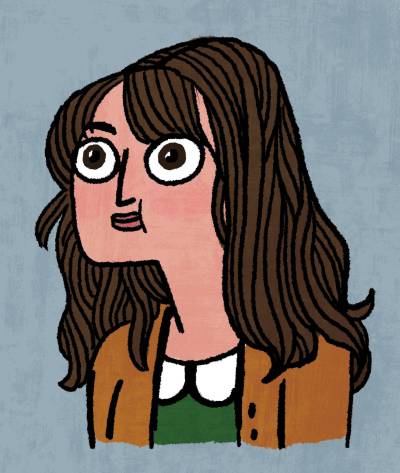
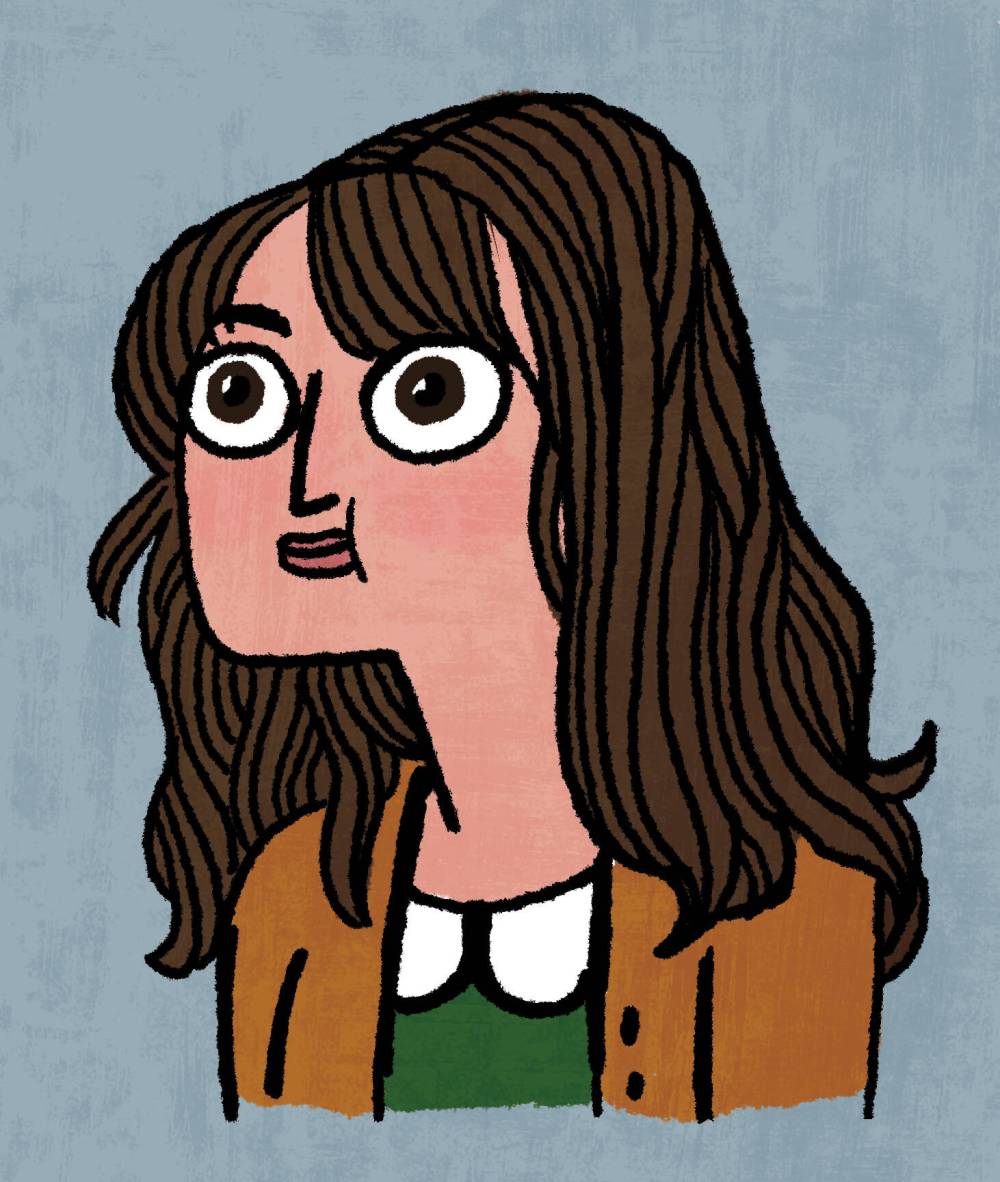
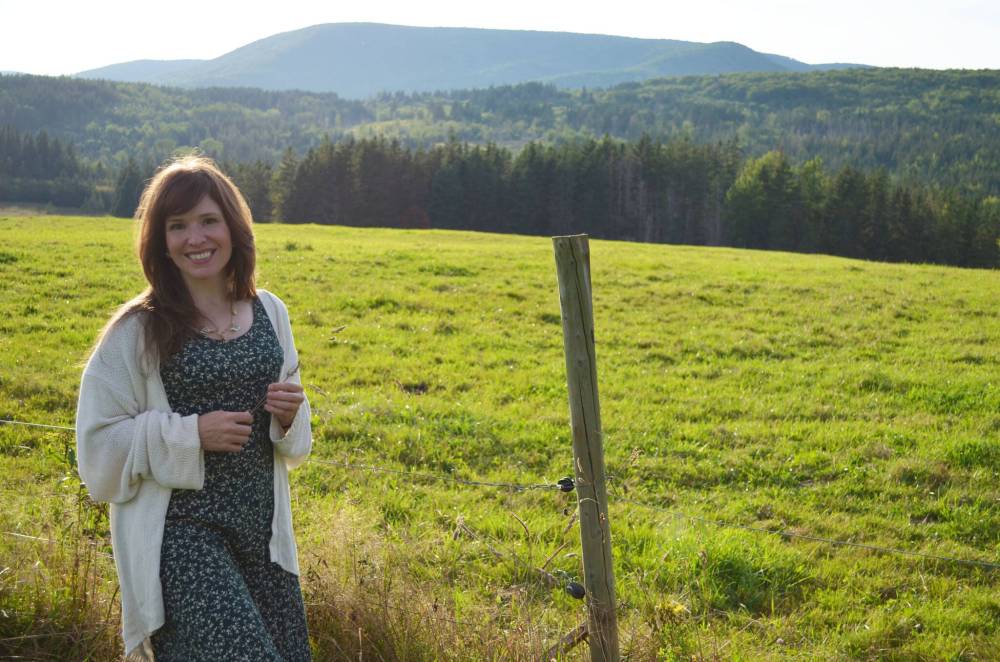
Kate Beaton was raised in Mabou, N.S. After many years away, going to school and working and building a career as a cartoonist, most notably as part of the webcomic Hark! A Vagrant, she now lives in Mabou again.
Hark! A Vagrant ran from 2007-18 and generated two books, which were New York Times bestsellers. Beaton also published the two picture books.
In 2022, Pinecone & Pony, an animated TV series based on one of Beaton’s recurring characters, was released on Apple TV+. Beaton also published the memoir Ducks: Two Years in the Oil Sands with Montreal’s Drawn & Quarterly.
On Tuesday, Nov. 8, Beaton will hold the Winnipeg launch of Ducks at the WAG’s Muriel Richardson Auditorium. The evening will include a conversation with University of Winnipeg English professor Candida Rifkind and a special multimedia presentation.
Winnipeg Free Press: What do you want people to know about Ducks?
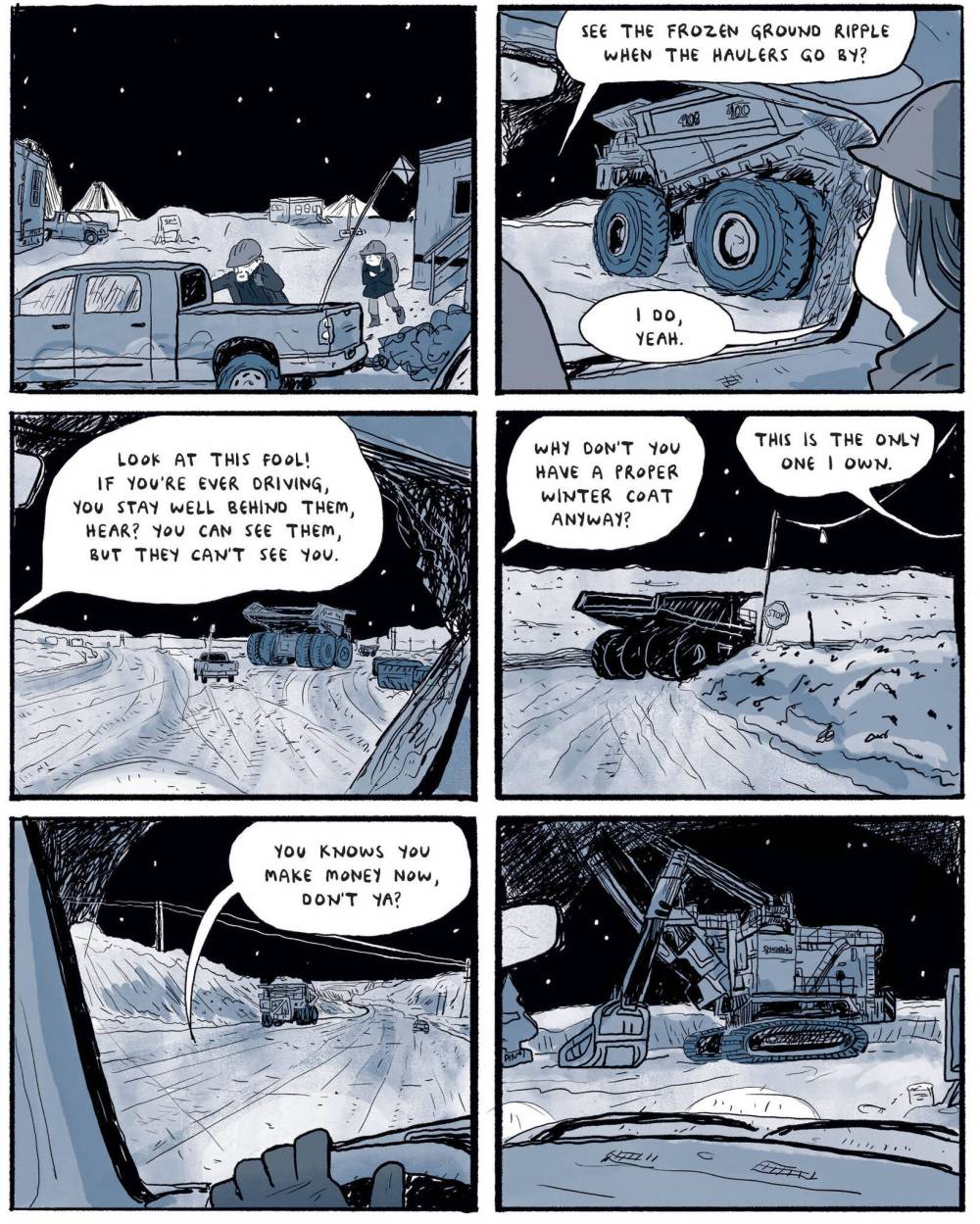
Kate Beaton: It’s a book about a lot of things. It is a memoir about two years, but it is also about class, gender, the environment, migration, mental health, the economy — and the human world of the oilsands which is often obscured by images of giant machines and politics.
WFP: What were your goals for this book?
Morgan Murray photo
Kate Beaton
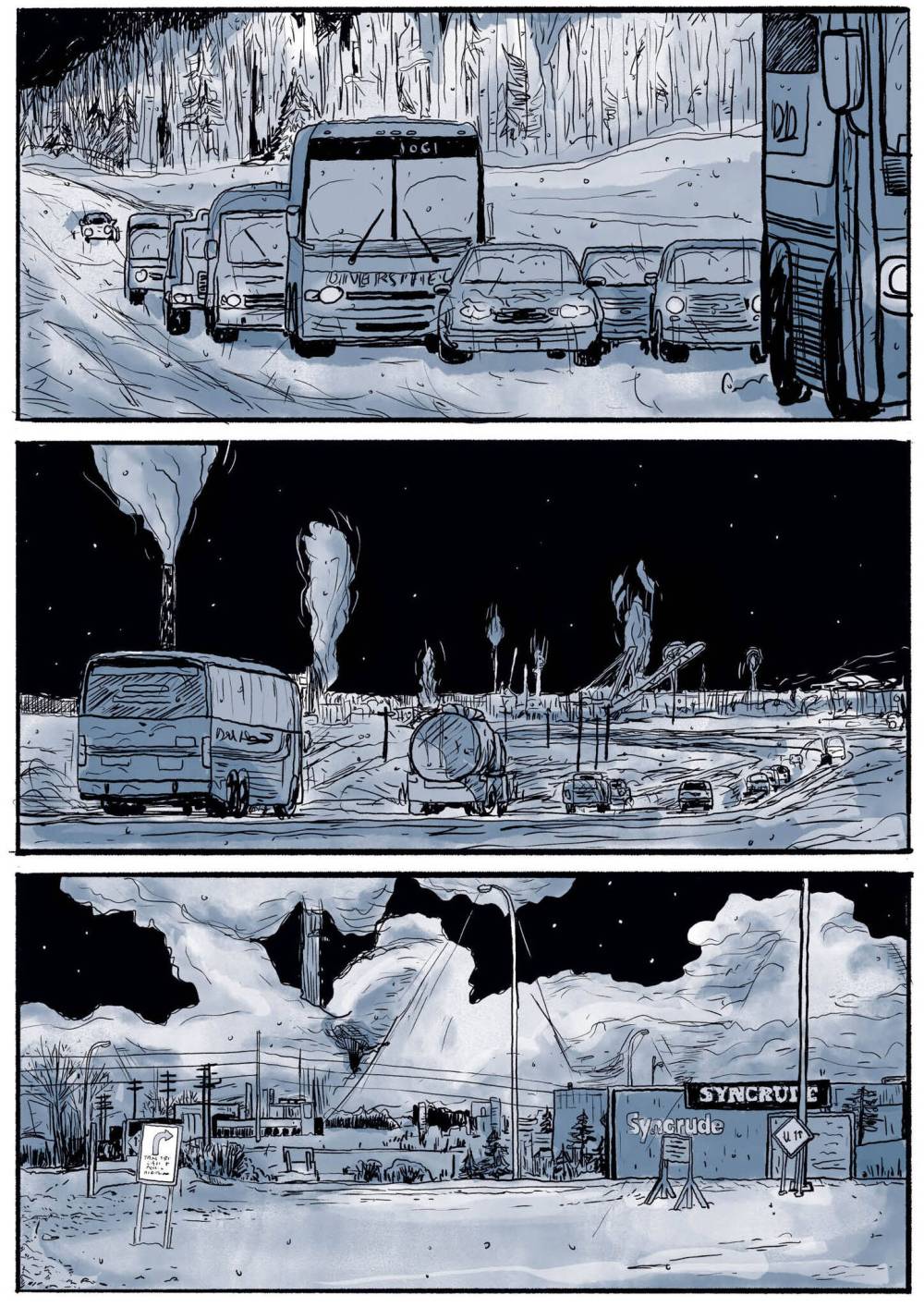
KB: To present, as best I could, an honest rendition of my time working in and around Fort McMurray. It is a place that is huge on the Canadian economic landscape, but feels very hidden to people who don’t have a connection to it.
WFP: Tell me about expanding the 2014 web-based version of Ducks into a book-length project. What made you want to return to that story?
KB: It was always on my mind to do it. I had to gather the skills as a cartoonist and storyteller to do it well, and the distance to look at it with new eyes in a way — but not be so far removed from events that I couldn’t remember things anymore. So when it was time to make the book, it was now or never.
WFP: How did you adapt your style from daily Hark! A Vagrant comics to books for children to a long-form story that runs to nearly 500 pages? Put another way, how long did you work on this second version of Ducks?
KB: I worked on this book for many years. But I also had two children over those years, so there were some interruptions. Life happens.

And I adapted my style organically — it wasn’t really a conscious shift, I just started drawing what I figured it should look like. I don’t think I’m that great of an artist that I can shift what I draw like with precision purpose, ha ha.
WFP: What books/artists were important to you while you were working on this book?
KB: Autobiographical comics are very prominent within comics culture, so I had many books to be inspired by. The usual big names like Maus by Art Spiegelman, Fun Home by Alison Bechdel, Persepolis by Marjane Satrapi — these are heavy hitters, they loom large.
I also was reading, at the time, Over Easy by Mimi Pond, books by Lucy Knisley, Onwards Towards Our Noble Deaths by Shigeru Mizuki, Rosalie Lightning by Tom Hart, Belonging by Nora Krug, Grass by Keum Suk Gendry-Kim — oh, there were lots.
WFP: Early on in Ducks, you write “The only message we got about a better future was that we had to leave home to have one. We did not question it, because this is the have-not region of a have-not province, and it has not boomed here in generations.” Young Manitobans get the same message, and doubly so if they’re artists. I admire the writers and artists that insist on making their art from their home provinces.
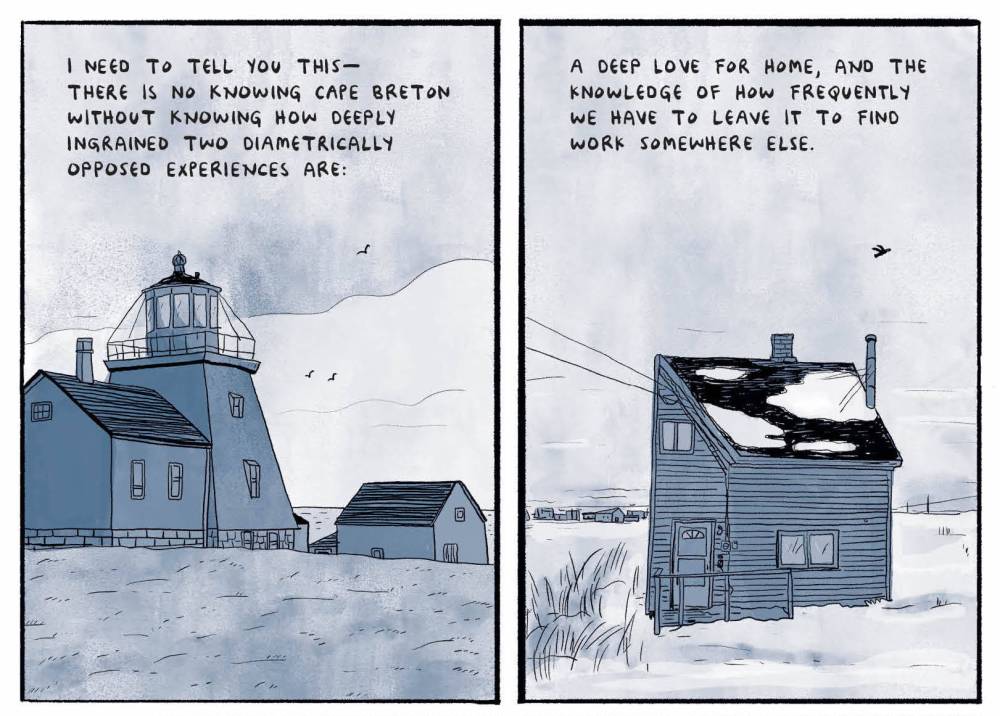
What advice do you have for young people in Mabou and Cape Breton and Nova Scotia (and maybe Manitoba) now who want to stay home and want to make art from home? Has anything changed?
KB: A lot has changed since I was a university graduate, and the main thing is the arrival of the internet in its current dominant and universal form. It was there when I was younger but it was sparse and it was not what it is today.
Today, people can work from remote areas and make a living because the centres of art and commerce are a keyboard button away. So that is why I am able to live at home now, and work here making art — I made a TV show from my farmhouse on a dirt road (I was an executive producer on it). That could never be when I was growing up.
So it is possible now, although the message persists that you have to leave, it is a deeply entrenched message that is hard to shake. But you don’t need to listen to it.
If you love Manitoba, then you can stay there.
WFP: What was the hardest part about creating Ducks? What has been the hardest part about promoting it?

KB: The hardest part about creating this work was being honest with myself about what had to go in it. Some things I could have left out for my own privacy but it would not have been the truth then, so they had to go in and I knew it. So I had to make that choice.
And like most cartoonists I keep to myself in-person and I am not much of a self-promoter, so I am really glad I have a PR rep!
WFP: What are you reading right now? What are you writing/drawing right now?
KB: Right now I am reading The Thursday Murder Club by Richard Osman because I saw it recommended in a lot of places. And I also bought I’m Glad My Mom Died by Jenette McCurdy, because everywhere I go on my book tour, that book is No. 1, so I want to see what the fuss is about!
Ariel Gordon is a Winnipeg/Treaty 1 Territory-based writer, editor and enthusiast.