

NATO sees no Russia threat amid Poland blast investigation
Advertisement
Read this article for free:
or
Already have an account? Log in here »
To continue reading, please subscribe:

Digital Subscription
One year of digital access for only $205*
- Enjoy unlimited reading on winnipegfreepress.com
- Read the E-Edition, our digital replica newspaper
- Access News Break, our award-winning app
- Play interactive puzzles
*First annual payment billed as $205.00 + GST for one year. This annual subscription will automatically renew at $233.00 + GST every 52 weeks (10% off the regular annual price of $259.35). Offer available to new and qualified returning subscribers only. Cancel any time.
To continue reading, please subscribe:
Add Free Press access to your Brandon Sun subscription for only an additional
$1 for the first 4 weeks*
- Enjoy unlimited reading on winnipegfreepress.com
- Read the E-Edition, our digital replica newspaper
- Access News Break, our award-winning app
- Play interactive puzzles
*Your next Brandon Sun subscription payment will increase by $1.00 and you will be charged $17.95 plus GST for four weeks. After four weeks, your payment will increase to $24.95 plus GST every four weeks.
Read unlimited articles for free today:
or
Already have an account? Log in here »
Hey there, time traveller!
This article was published 16/11/2022 (1356 days ago), so information in it may no longer be current.
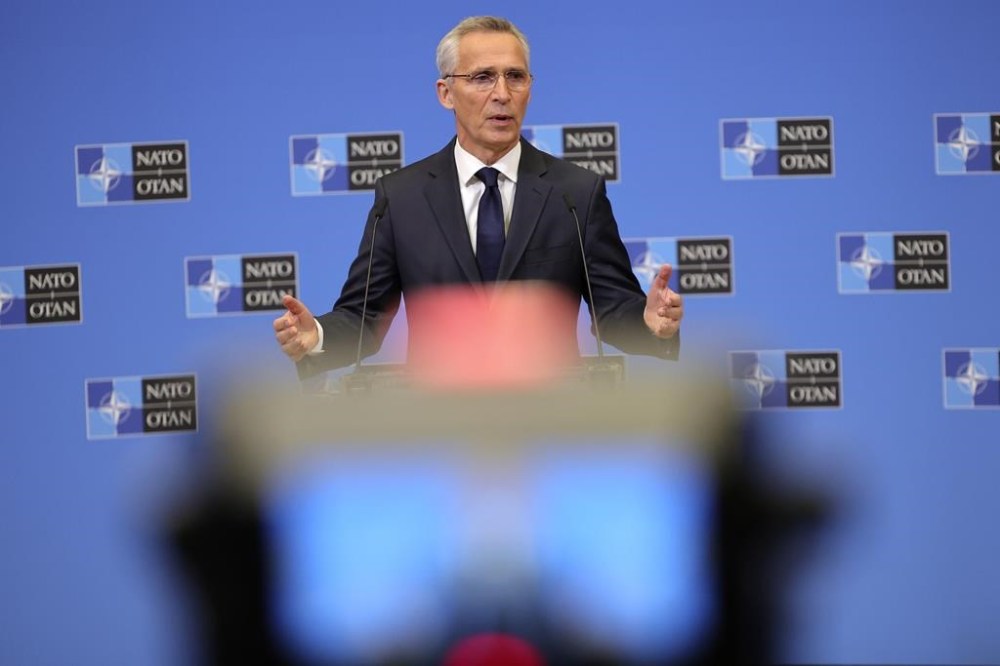
BRUSSELS (AP) — NATO Secretary-General Jens Stoltenberg said Wednesday that a blast in Poland that killed two people was probably not an attack by Russia, but rather caused by a Ukrainian air defense system meant to counter a Russian aerial bombardment.
The two were killed on Tuesday when a missile came down in Polish farmland not far from the border with Ukraine. The blast came amid a Russian aerial assault in Ukraine and raised deep concern about whether Russia might be expanding the war by targeting a NATO member country.
“An investigation into this incident is ongoing and we need to await its outcome. But we have no indication that this was the result of a deliberate attack,” Stoltenberg told reporters after chairing emergency talks between NATO envoys in Brussels.
“This is likely caused by a Ukrainian air defense missile,” he said, and added that the alliance has “no indication that Russia is preparing action” against any of its 30 member countries.
But Stoltenberg insisted that the incident happened because of Russia’s invasion.
“This is not Ukraine’s fault, Russia bears ultimate responsibility,” he said. “The whole incident is caused by Russia’s brutal war in Ukraine.”
Stoltenberg said that neither Poland nor any other ally had called for emergency consultations under Article 4 of NATO’s founding treaty, which provides for such talks if any the allies consider that their territory might be under threat.
Poland had said late Tuesday that it was considering calling for Article 4 consultations.
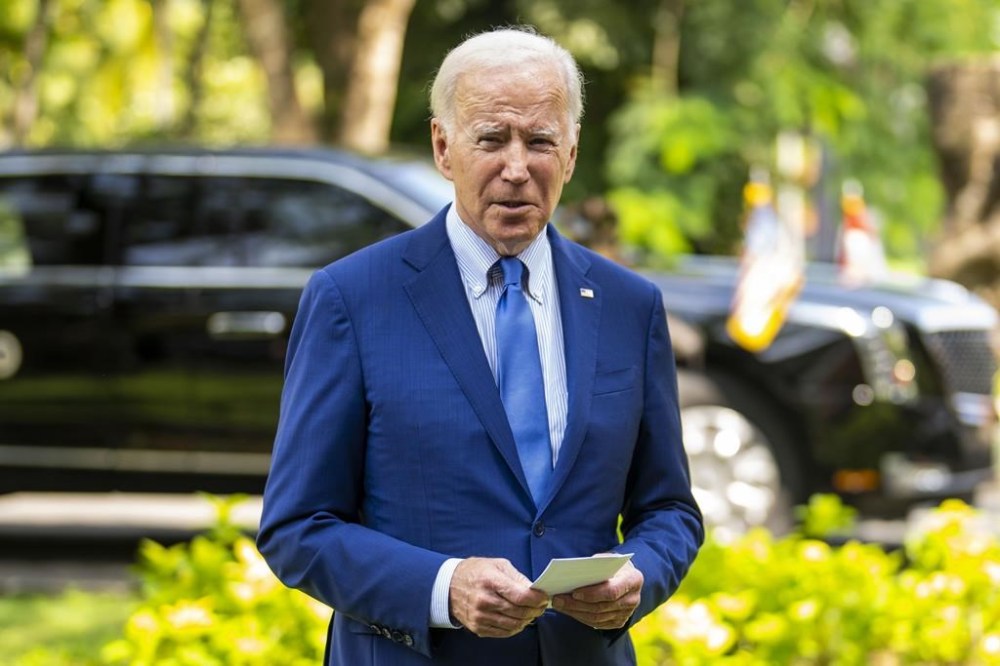
Earlier Wednesday, three U.S. officials said preliminary assessments suggest the missile was fired by Ukrainian forces at an incoming Russian projectile, and U.S. President Joe Biden said it was “unlikely” that it was fired from Russia.
The findings are no doubt a relief to NATO. Since President Vladimir Putin ordered Russian troops into Ukraine in February, the organization has sought to avoid being dragged into a wider war.
The world’s biggest security alliance has declined to send troops into Ukraine and has refused Kyiv’s requests to police a no-fly zone over its cities, which might require allies to shoot down Russian fighter jets or target air defense systems in Russian territory.
While some of NATO’s member countries are providing weapons and other support, NATO as an organization doesn’t. The military alliance has focused on building up its forces in member countries near Russia and Ukraine’s borders to dissuade Putin from targeting them next.
After Russia invaded Ukraine on Feb. 24, Bulgaria, the Czech Republic, Estonia, Latvia, Lithuania, Poland, Romania and Slovakia triggered urgent Article 4 consultations. These are launched when “the territorial integrity, political independence or security of any of the (NATO) parties is threatened.”
___
Follow the AP’s coverage of the war at https://apnews.com/hub/russia-ukraine