

Ottawa People’s Commission recommends change to rebuild trust after ‘Freedom Convoy’
Advertisement
Read this article for free:
or
Already have an account? Log in here »
To continue reading, please subscribe:

Digital Subscription
One year of digital access for only $205*
- Enjoy unlimited reading on winnipegfreepress.com
- Read the E-Edition, our digital replica newspaper
- Access News Break, our award-winning app
- Play interactive puzzles
*First annual payment billed as $205.00 + GST for one year. This annual subscription will automatically renew at $233.00 + GST every 52 weeks (10% off the regular annual price of $259.35). Offer available to new and qualified returning subscribers only. Cancel any time.
To continue reading, please subscribe:
Add Free Press access to your Brandon Sun subscription for only an additional
$1 for the first 4 weeks*
- Enjoy unlimited reading on winnipegfreepress.com
- Read the E-Edition, our digital replica newspaper
- Access News Break, our award-winning app
- Play interactive puzzles
*Your next Brandon Sun subscription payment will increase by $1.00 and you will be charged $17.95 plus GST for four weeks. After four weeks, your payment will increase to $24.95 plus GST every four weeks.
Read unlimited articles for free today:
or
Already have an account? Log in here »
Hey there, time traveller!
This article was published 04/04/2023 (1268 days ago), so information in it may no longer be current.
A community-based group that has been looking into the effects of last year’s “Freedom Convoy” protests says all three levels of government should offer meaningful apologies and compensation to Ottawa residents for the harms they suffered.
The Ottawa People’s Commission, a group led by four human-rights activists, has made 25 recommendations to rebuild community trust after a 10-month investigation.
Its latest report says governments should provide compensation for lost wages and income as a result of business shutdowns during the protests, “as well as for extraordinary expenses such as mental health counselling.”
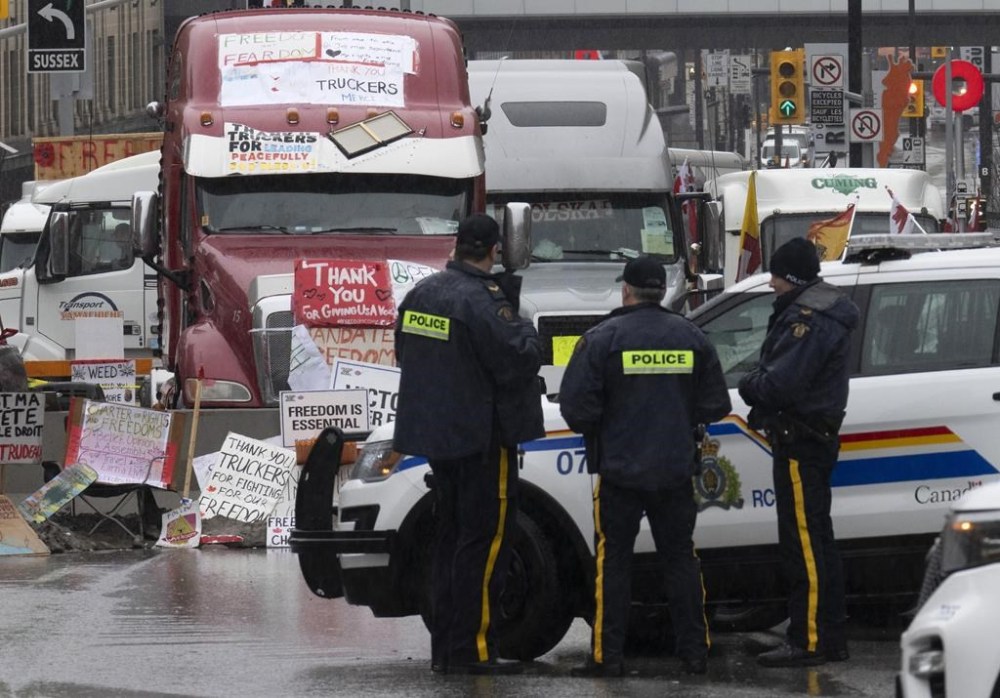
The group is calling for an independent investigation into the failures of Ottawa police and bylaw officials who did not enforce laws during the blockade of downtown streets by protesters opposed to COVID-19 measures and the federal government.
For more than three weeks last winter, thousands of people took over several blocks near Parliament Hill, blockading roads with big-rig trucks and honking their horns at all hours of the day and night.
Alex Neve, one of the commissioners, said the city’s treatment of its residents during those demonstrations was a “stunning level of abandonment” that has led to broken trust in officials.
“We make it clear that this was far more than a provocative protest. It was an orchestrated occupation of central Ottawa that brought life in those neighbourhoods to a standstill and left thousands of people isolated and traumatized,” said Neve.
The volunteer commission released the first part of its report in January after hearing from more than 200 people and organizations, many of whom said they experienced harassment, violence and assault during the protests.
Previous reports by Ottawa’s auditor general and the Public Order Emergency Commission, a federal public inquiry that was mandated to review the use of the Emergencies Act, detailed the shortcomings of Ottawa police and all three levels of government.
The People’s Commission said recommendations from those reports informed their own, but insists the separate, locally focused investigation was needed.
Leilani Farha, another of the four commissioners, said neither the auditor nor the public inquiry spent enough time hearing from the people affected.
“If you don’t hear from the people who experience potential violations of their rights, when you’re trying to figure out what to do the next time around, you’re not going to create recommendations or solutions that actually work,” Farha said.
Ken Rubin, an activist and one of the people behind the commission, was present for the announcement of the recommendations on Tuesday morning.
Although Rubin said he wasn’t directly affected by the protest, he said he spends a lot of his time in the downtown core.
He said that after venturing downtown during the protest, seeing trucks line the streets and hearing from affected community members, he knew that more had to be done to help those dealing with the aftermath of the weeks-long protest.
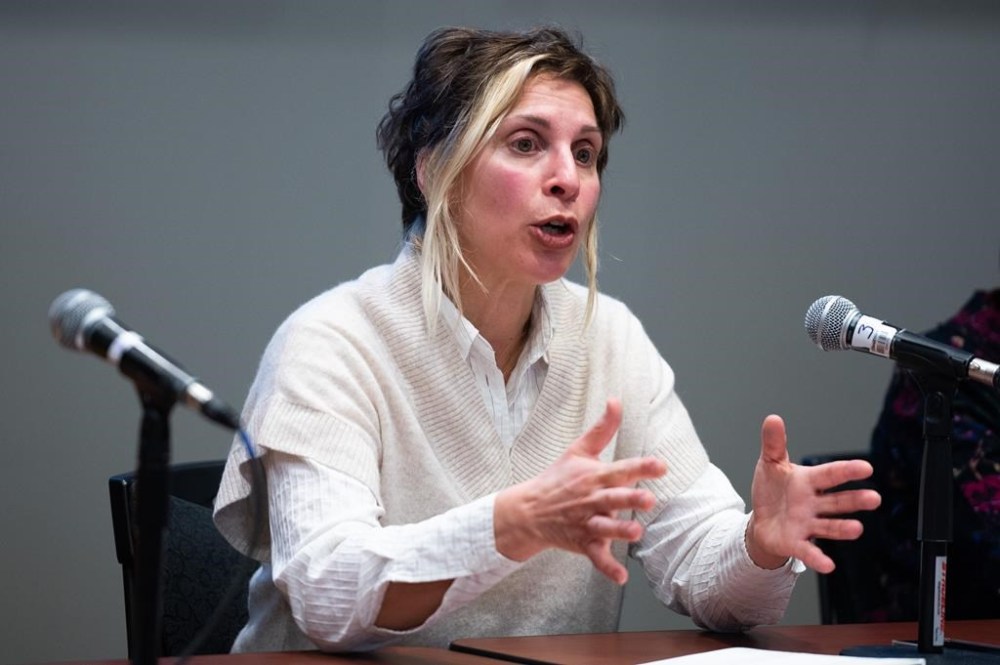
“It was quite wonderful to see this happen, and now we have to think about how to make (the recommendations) happen. Because unless you have many people pushing back, people can ignore you very easily,” said Rubin.
The commission is recommending more funding for community well-being and the development of protocols and plans to protect those who are most vulnerable during an emergency.
Neve said that despite multiple invitations, the Ottawa Police Service was unable to find a time to meet with the commission over the last 10 months. However, he said the force has been receptive to a discussion.
The commissioners say they are awaiting responses from the government officials who have been sent copies of their report.
They said they hope to see the recommendations in place by June 2023.
This report by The Canadian Press was first published April 4, 2023.
———
This story was produced with the financial assistance of the Meta and Canadian Press News Fellowship.
Related Articles
Firm drops defamation case against Convoy lawyer
Advertisement Advertise With Us
Advertisement Advertise With Us