

Quick opinions and hot water
Advertisement
Read this article for free:
or
Already have an account? Log in here »
To continue reading, please subscribe:

Digital Subscription
One year of digital access for only $205*
- Enjoy unlimited reading on winnipegfreepress.com
- Read the E-Edition, our digital replica newspaper
- Access News Break, our award-winning app
- Play interactive puzzles
*First annual payment billed as $205.00 + GST for one year. This annual subscription will automatically renew at $233.00 + GST every 52 weeks (10% off the regular annual price of $259.35). Offer available to new and qualified returning subscribers only. Cancel any time.
To continue reading, please subscribe:
Add Free Press access to your Brandon Sun subscription for only an additional
$1 for the first 4 weeks*
- Enjoy unlimited reading on winnipegfreepress.com
- Read the E-Edition, our digital replica newspaper
- Access News Break, our award-winning app
- Play interactive puzzles
*Your next Brandon Sun subscription payment will increase by $1.00 and you will be charged $17.95 plus GST for four weeks. After four weeks, your payment will increase to $24.95 plus GST every four weeks.
Read unlimited articles for free today:
or
Already have an account? Log in here »
Hey there, time traveller!
This article was published 08/06/2023 (1179 days ago), so information in it may no longer be current.
‘We lost our daughter to substance use disorder in May of 2018; a pain nobody should have to experience. She was caring, kind and always said ‘everyone deserves a chance.’ She was not a ‘drugged-out zombie.’” Susan Turney in a letter to the editor (Don’t dehumanize the addicted) in the Free Press, June 3.
“I apologize. I realize all these people experiencing mental and physical distress on our streets are somebody’s kids or parents and they are human beings at the end of the day. They are Winnipeggers.” — Statement from Coun. Jeff Browaty, June 3
One of the questions I often get asked by those who read and listen to the stories I tell is about the reading choices that inform me.
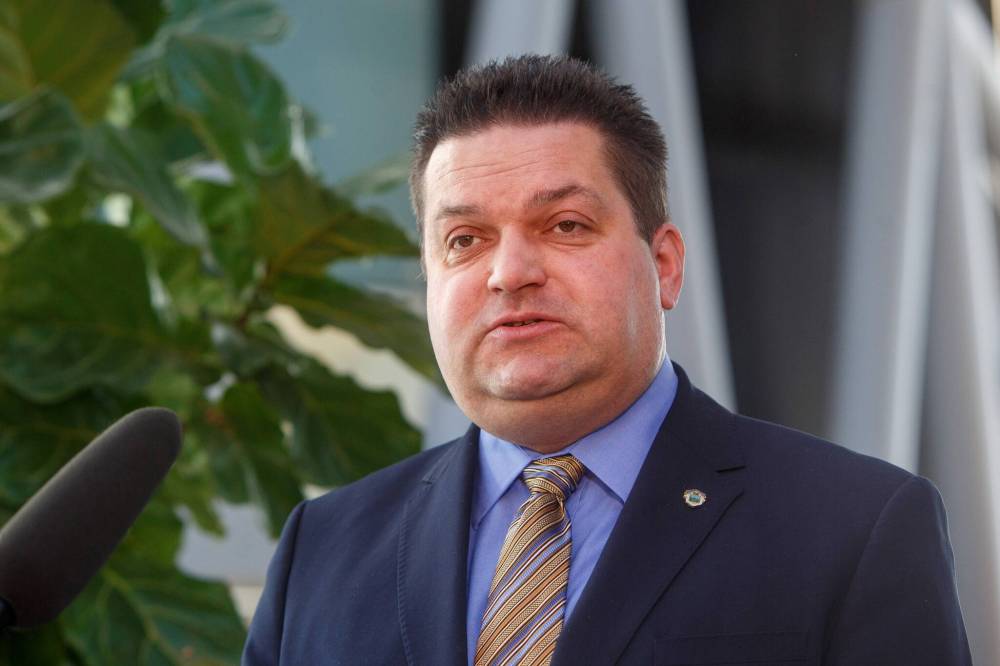
MIKE DEAL / WINNIPEG FREE PRESS Files
Coun. Jeff Browaty landed in hot water over online comments made about those with drug addictions.
There is not nearly enough room in a column to download the long list of news sites I pay attention to. But I will tell you that what I take most seriously is the email sent not by professional writers, but rather by the common people most affected by the stories discussed on various media platforms.
The opinions in that correspondence is frequently based on personal experience. And that makes them particularly compelling.
When a Winnipeg city councillor, Jeff Browaty, paints a drug problem in the city of Winnipeg with a brutal and broad brush, using the term “drugged-out zombies,” it’s bound to get a different reaction from a grieving mother like Susan Turney than from the average resident of any Canadian big city who witnesses people on the street who appear to be substance abusers.
It may be perfectly natural to think the same things the city councillor was thinking — especially if the people your eyes are focused on may be a threat to public safety at a bus shelter or anywhere else. If the issue of addiction doesn’t affect you personally, you can think of people who appear to be stumbling through life aimlessly, as zombie-like.
But the ethical question for anyone in leadership should be, “Do you always want to be thinking out loud?”
I have a personal reluctance to get on too high of a horse in a column about the subject, because common people, for more than 33 years since I started hosting talk shows, have rewarded me with life’s most valuable commodity, their time.
They gave me their time — listening to me thinking out loud. But sometimes, if my thoughts crossed certain boundaries, I would apologize.
One of those boundaries was the one which separates ignorance and enlightenment. Sometimes, one’s thoughts are based purely on emotion. And after putting those thoughts on air or in print, you realize that there are facts involved that you may not have been aware of.
Those new facts may give you a reason to change the uninformed opinion you offered, and apologize to those you trespassed against.
My only purpose here is to let readers know that, every time we deliver a harsh judgment about people we don’t really know, there is a Susan Turney — a real person connected to the person we are judging, diminishing and sometimes even condemning.
Turney, in her letter to the editor, gave us an accounting of who her daughter was.
“She was happily married, working at a job she loved and raising their child. She experienced health issues, then the use of substances took over. She tried endlessly to seek help for this life-threatening disease and unfortunately lost her battle.”
My gut tells me that if the councillor taking heat for his remarks had known Susan’s daughter personally, or if someone in his own family who lost their lives because of substances, he may have used different language.
The good news is the councillor heard from the Susan Turneys — and others — and apologized for his words.

That goes above and beyond what many in the world of hyper-partisan politics are willing to do.
The issue of how best to deal with Canada’s addiction epidemic is now being exploited by political zombies — using it as a brand new favourite hammer to beat their opponents with.
That behaviour does nothing for the Susan Turneys, who simply want all of us to know some issues, particularly this one, should never be about politics.
It can only be about people. Tragically, too many of the people most affected, are no longer with us.
Charles Adler is a longtime political commenter and podcaster. charles@charlesadler.com
History
Updated on Thursday, June 8, 2023 7:20 AM CDT: Adds photo