

Israeli PM orders ministries to get his OK before secret talks, as drama over Libya meeting persists
Advertisement
Read this article for free:
or
Already have an account? Log in here »
To continue reading, please subscribe:

Digital Subscription
One year of digital access for only $205*
- Enjoy unlimited reading on winnipegfreepress.com
- Read the E-Edition, our digital replica newspaper
- Access News Break, our award-winning app
- Play interactive puzzles
*First annual payment billed as $205.00 + GST for one year. This annual subscription will automatically renew at $233.00 + GST every 52 weeks (10% off the regular annual price of $259.35). Offer available to new and qualified returning subscribers only. Cancel any time.
To continue reading, please subscribe:
Add Free Press access to your Brandon Sun subscription for only an additional
$1 for the first 4 weeks*
- Enjoy unlimited reading on winnipegfreepress.com
- Read the E-Edition, our digital replica newspaper
- Access News Break, our award-winning app
- Play interactive puzzles
*Your next Brandon Sun subscription payment will increase by $1.00 and you will be charged $17.95 plus GST for four weeks. After four weeks, your payment will increase to $24.95 plus GST every four weeks.
Read unlimited articles for free today:
or
Already have an account? Log in here »
Hey there, time traveller!
This article was published 29/08/2023 (1106 days ago), so information in it may no longer be current.
JERUSALEM (AP) — Israeli Prime Minister Benjamin Netanyahu issued an order Tuesday mandating that his office approve all secret diplomatic meetings in advance, his spokesperson said, as officials scrambled to contain the growing diplomatic firestorm over Israel’s disclosure that its top diplomat had met with his Libyan counterpart.
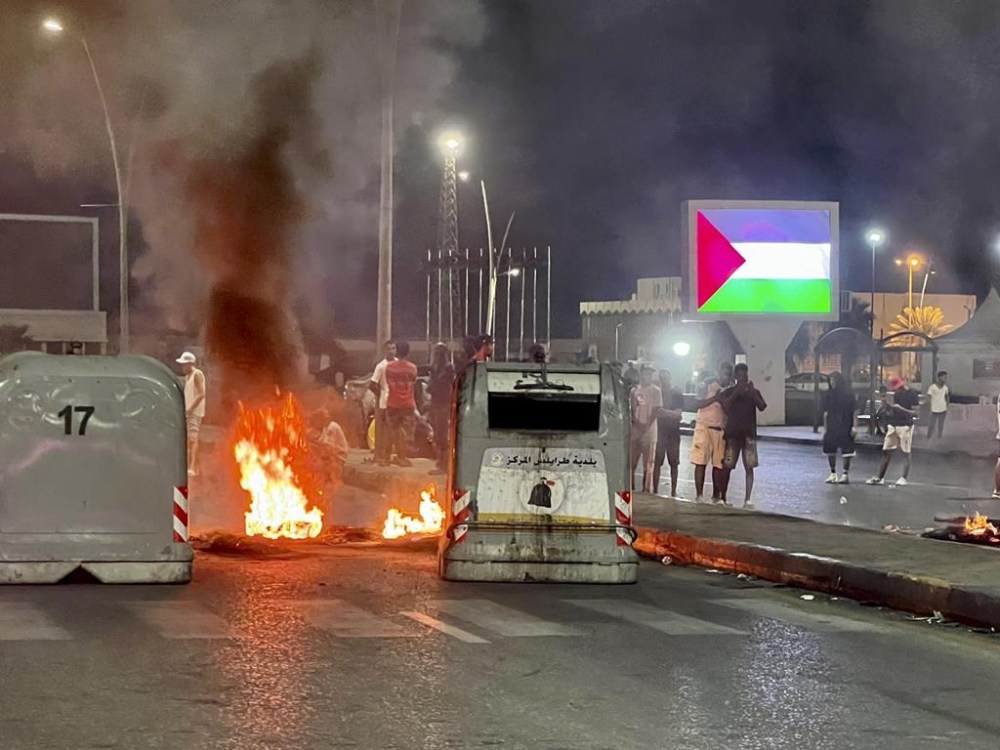
The exposure of the first-ever known encounter between Israeli and Libyan foreign ministers ignited angry street protests in several Libyan cities and sent Libyan Foreign Minister Najla Mangoush fleeing to Turkey for fear of her safety. Libyan Prime Minister Abdul Hamid Dbeibah, who heads one of the country’s rival governments, said he was temporarily suspending Mangoush from her position over the reported meeting. Libya has a history of unremitting hostility toward Israel.
Netanyahu sent the directive Tuesday to all government ministries, requesting they receive approval from his office before conducting any covert political talks. The order also asked that Netanyahu personally approve the publication of news concerning such sensitive meetings. A Netanyahu aide, Topaz Luk, said Netanyahu issued the order in response to fallout from the Libya scandal. It was not known if Netanyahu knew about Foreign Minister Eli Cohen’s meeting with Mangoush ahead of time.
Israel’s Foreign Ministry announced Sunday that Cohen met Mangoush in Rome last week in what it hailed as a “historic” step toward the normalization of ties with Libya. Having established diplomatic ties with Gulf Arab sheikhdoms, the United Arab Emirates and Bahrain, during the Trump administration, Netanyahu’s government anxiously wants to do so with other Arab states — including Saudi Arabia — to change its status in its long-hostile neighborhood and end its regional isolation.
But the backlash served as a glaring reminder that despite the warming ties between Israel and the Arab world, challenges remain as ordinary citizens in the region still oppose closer relations with Israel.
Within hours of the revelation, Mangoush was on a plane to Turkey, Dbeibah announced her suspension and Netanyahu’s political opponents were seizing on the crisis to criticize the foreign minister and his lack of discretion.
A ministry official, speaking on condition of anonymity to discuss behind-the-scenes diplomacy, said the ministry was forced to go public after an Israeli news site learned about the meeting. Israeli media said the acting United States ambassador to Israel, Stephanie Hallett, had expressed American displeasure with the Israeli announcement in a meeting with Cohen on Monday. The U.S. Embassy had no immediate comment.
In Libya, protests erupted for a second straight night Monday over the prospect of normalization with Israel. Demonstrators set tires ablaze, waved Palestinian national flags and chanted against Dbeibah, the prime minister.
The leader of Libya’s Tripoli-based administration in the country’s west, Dbeibah has defied calls for him to hand over power. The oil-rich nation has for years been split between two rival governments in its eastern and western halves. Each side has been backed by armed groups and foreign governments.
Libya was plunged into chaos after a NATO-backed uprising toppled longtime dictator Moammar Gadhafi in 2011. Gadhafi was hostile to Israel and a staunch supporter of the Palestinians, including radical militant groups.