

Top Hamas leader in Beirut in a bid to stop clashes at Lebanon’s largest Palestinian refugee camp
Advertisement
Read this article for free:
or
Already have an account? Log in here »
To continue reading, please subscribe:

Digital Subscription
One year of digital access for only $205*
- Enjoy unlimited reading on winnipegfreepress.com
- Read the E-Edition, our digital replica newspaper
- Access News Break, our award-winning app
- Play interactive puzzles
*First annual payment billed as $205.00 + GST for one year. This annual subscription will automatically renew at $233.00 + GST every 52 weeks (10% off the regular annual price of $259.35). Offer available to new and qualified returning subscribers only. Cancel any time.
To continue reading, please subscribe:
Add Free Press access to your Brandon Sun subscription for only an additional
$1 for the first 4 weeks*
- Enjoy unlimited reading on winnipegfreepress.com
- Read the E-Edition, our digital replica newspaper
- Access News Break, our award-winning app
- Play interactive puzzles
*Your next Brandon Sun subscription payment will increase by $1.00 and you will be charged $17.95 plus GST for four weeks. After four weeks, your payment will increase to $24.95 plus GST every four weeks.
Read unlimited articles for free today:
or
Already have an account? Log in here »
Hey there, time traveller!
This article was published 12/09/2023 (1104 days ago), so information in it may no longer be current.
SIDON, Lebanon (AP) — A top Hamas leader arrived in Beirut Tuesday to push for an end to clashes in Lebanon’s largest Palestinian refugee camp that resumed despite multiple cease-fire agreements.
Days of fighting in the Ein el-Hilweh refugee camp near the southern port city of Sidon left at least six people dead and over 50 others wounded, according to medical officials and state media. Stray bullets and shells hit residential areas in the country’s third-largest city, wounding five Lebanese soldiers at checkpoints near the camp on Monday.
A cease-fire declared late Monday, after Lebanon’s head of the country’s General Security Directorate met with officials from rival Palestinian factions, lasted just hours before fighting erupted again.
Senior Hamas official Moussa Abu Marzouk will meet with Lebanese officials and representatives from the Palestinian factions to try and reach a settlement to end the clashes, the militant group said in a statement.
Hamas has not taken part in the clashes.
The fighting broke out Thursday night after nearly a month of calm in Ein el-Hilweh between Palestinian President Mahmoud Abbas’ Fatah group and militant Islamist groups.
Fatah and other allied factions had intended to crack down on suspects accused of killing Fatah military general, Abu Ashraf al Armoushi, in the camp in late July.
Osama Saad, a Lebanese legislator representing Sidon said on Tuesday — in an interview with Lebanese TV station Al-Jadeed — that the camp clashes pose a wider threat to the whole country. He said al Armoushi had “good relations with all the factions” and kept the tense camp relatively secure.
“As political forces, we have a responsibility, and so do the Palestinians and Lebanese authorities to resolve this,” Saad said.
Ein el-Hilweh is home to some 55,000 people according to the United Nations, and is notorious for its lawlessness, and violence.
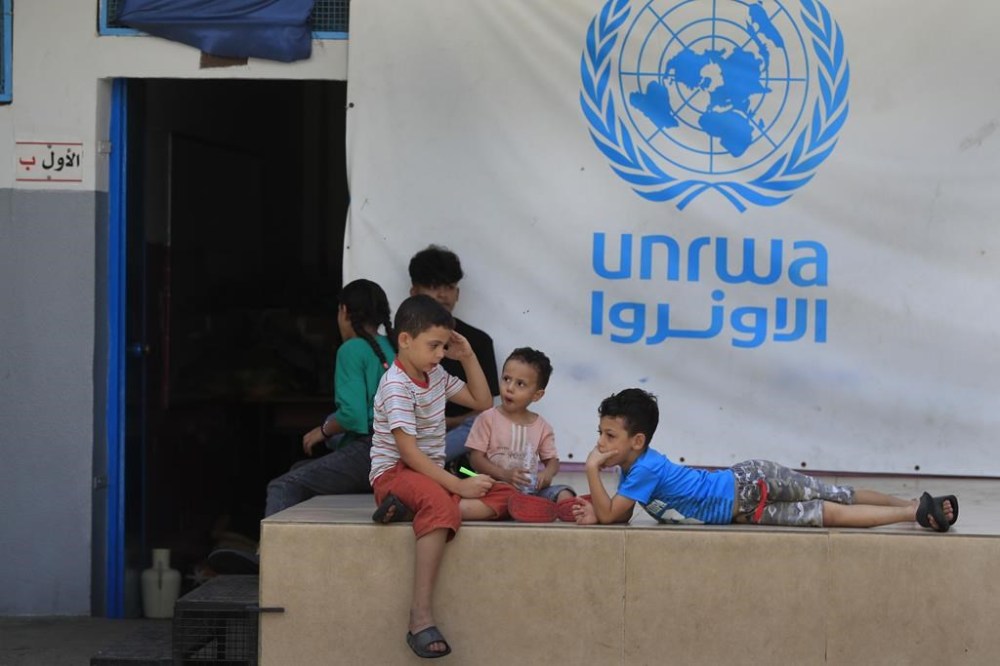
Meanwhile, UNRWA, the UN agency for Palestinian refugees, has been tending to hundreds of displaced families who fled the camp alongside other charities. Many have taken shelter in nearby mosques, schools, and the Sidon municipality building. UNRWA has relocated some 1,200 people to schools in the area from a mosque near the camp’s entrance.
“We left without our clothing and belongings. Children and women have no place to go,” Mariam Maziar, a Palestinian refugee who fled with her children told The Associated Press from a shelter in UNRWA’s Nablus School in Sidon. “Don’t they feel remorse for what they’re doing to us? Where are we supposed to go? Our homes are destroyed.”
Ein el-Hilweh camp was established in 1948 to house Palestinians who were displaced when Israel was established.
—
Chehayeb in Beirut contributed to this report.