Lebanon launches probe into late-night shots outside US Embassy that caused no injuries
Advertisement
Read this article for free:
or
Already have an account? Log in here »
To continue reading, please subscribe:

Digital Subscription
One year of digital access for only $205*
- Enjoy unlimited reading on winnipegfreepress.com
- Read the E-Edition, our digital replica newspaper
- Access News Break, our award-winning app
- Play interactive puzzles
*First annual payment billed as $205.00 + GST for one year. This annual subscription will automatically renew at $233.00 + GST every 52 weeks (10% off the regular annual price of $259.35). Offer available to new and qualified returning subscribers only. Cancel any time.
To continue reading, please subscribe:
Add Free Press access to your Brandon Sun subscription for only an additional
$1 for the first 4 weeks*
- Enjoy unlimited reading on winnipegfreepress.com
- Read the E-Edition, our digital replica newspaper
- Access News Break, our award-winning app
- Play interactive puzzles
*Your next Brandon Sun subscription payment will increase by $1.00 and you will be charged $17.95 plus GST for four weeks. After four weeks, your payment will increase to $24.95 plus GST every four weeks.
Read unlimited articles for free today:
or
Already have an account? Log in here »
Hey there, time traveller!
This article was published 21/09/2023 (1056 days ago), so information in it may no longer be current.
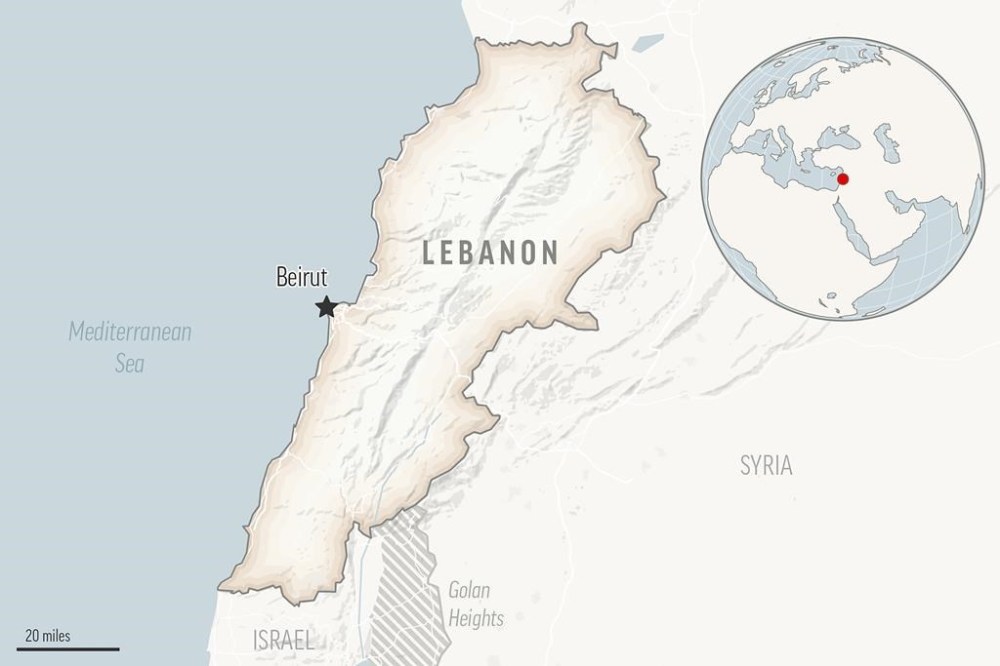
AUKAR, Lebanon (AP) — Lebanese security agencies are investigating a late-night shooting outside the heavily fortified U.S. Embassy just north of Beirut, officials said Thursday. No one was hurt in the small-arms fire.
The shots erupted near the entrance to the embassy compound in Beirut’s northeastern suburb of Aukar on Wednesday night. No one claimed responsibility for the shooting and the motives behind it were not known.
After the shooting, the Lebanese army took measures and launched the investigation, including analyzing security camera footage from the area, a Lebanese official said, speaking on condition of anonymity in line with regulations.
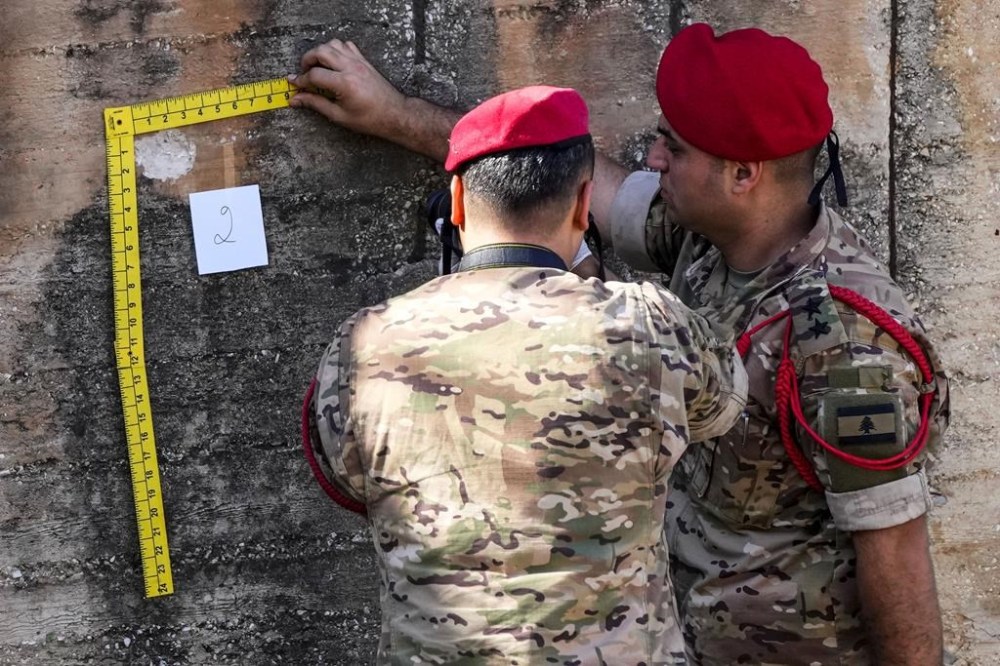
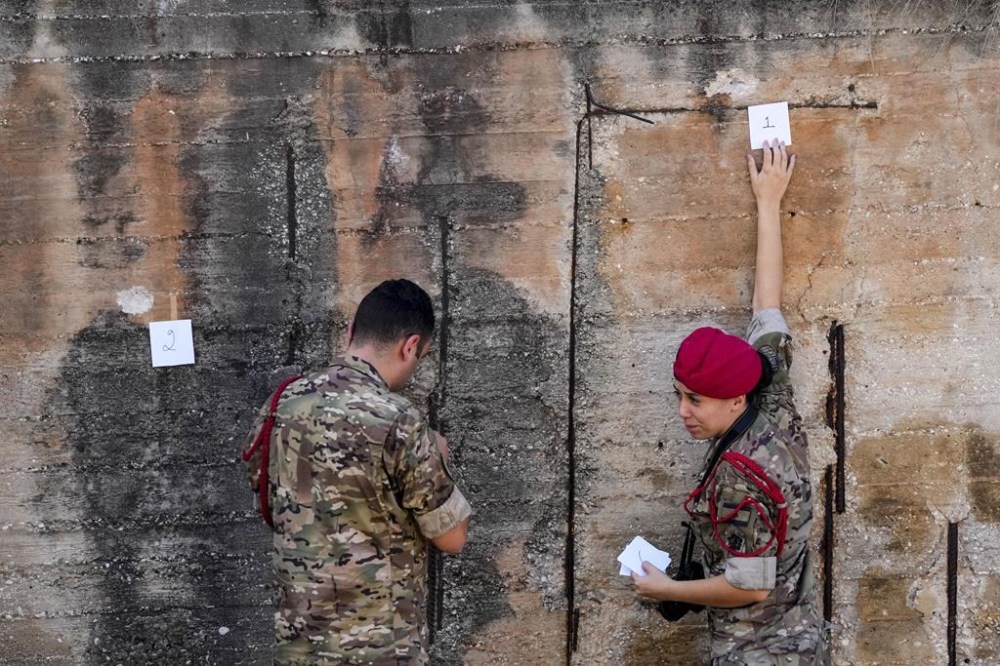
Lebanese military police marked at least five bullet holes in the wall next to the embassy entrance. Heavier-than-usual security measures were in effect, but the road leading to the embassy was not closed.
“There were no injuries, and our facility is safe,” U.S. Embassy spokesperson Jake Nelson said. “We are in close contact with host country law enforcement authorities.”
The head of Lebanon’s caretaker government and its foreign minister condemned the shooting from New York, where they are attending the U.N. General Assembly.
Prime Minister Najib Mikati called the heads of Lebanese security agencies and asked them to pursue those behind the shooting and publicly reveal the results of their investigation, his office said.
Foreign Minister Abdallah Bouhabib called U.S. Ambassador Dorothy Shea to reassure her that Lebanon is committed to protecting diplomatic missions, the state-run National News agency reported.
Lebanon has a long history of attacks against Americans.
The deadliest of the attacks occurred in October 1983, when a suicide truck bomber drove into a four-story building, killing 241 American service members at the U.S. Marine barracks at the Beirut airport.
Earlier that year, on April 18, 1983, a bombing attack on the U.S. Embassy in Beirut killed 63 people, including at least 17 Americans. Top CIA officials were among those who died. U.S. officials blamed the Iran-backed Lebanese militant group Hezbollah.
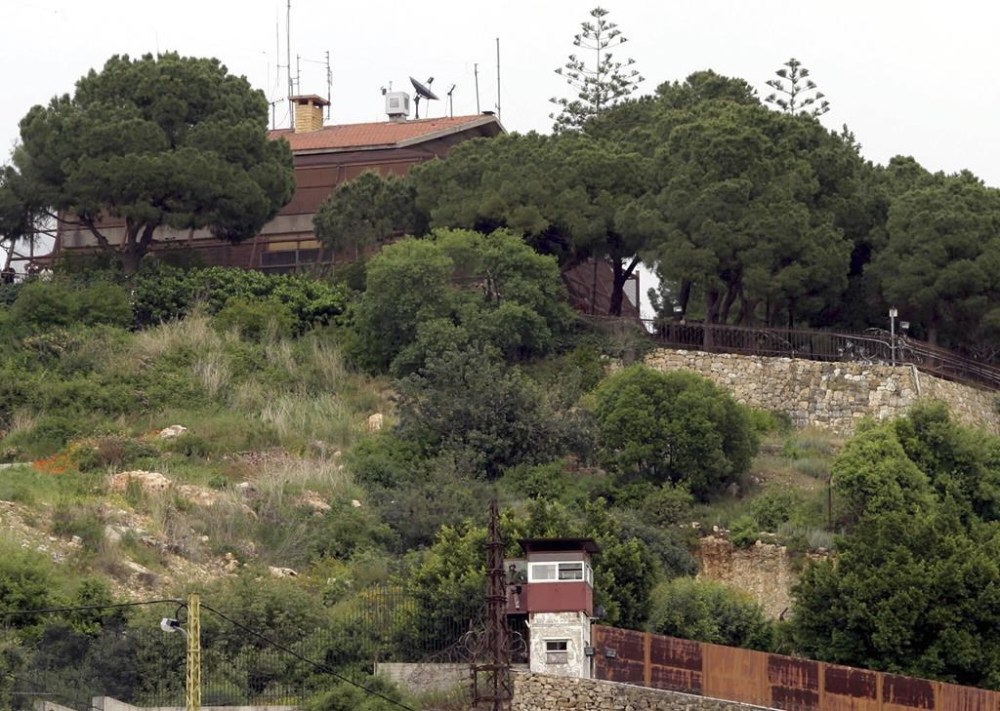
After that attack, the embassy was moved from central Beirut to the Christian suburb of Aukar, north of the Lebanese capital.
On Sept. 20, 1984, a suicide bomber struck the embassy compound in Aukar, killing himself and 14 others, prompting the embassy to close.
The United States withdrew all diplomats from Beirut in September 1989 and did not reopen its embassy until 1991.
In 2008, an explosion targeted a U.S. Embassy vehicle in northern Beirut, killing at least three Lebanese who happened to be near the car and wounding its Lebanese driver. An American passerby was also wounded.
In 1976, U.S. Ambassador Francis E. Meloy Jr. and an aide, Robert O. Waring, were abducted and killed in Beirut. In 1984, William Buckley, the CIA station chief in Beirut, was abducted and killed by the Iran-backed Islamic Jihad group.
___
Associated Press writer Abby Sewell in Beirut contributed to this report.