Work resumes on $10B renewable energy transmission project despite tribal objections
Advertisement
Read this article for free:
or
Already have an account? Log in here »
To continue reading, please subscribe:

Digital Subscription
One year of digital access for only $205*
- Enjoy unlimited reading on winnipegfreepress.com
- Read the E-Edition, our digital replica newspaper
- Access News Break, our award-winning app
- Play interactive puzzles
*First annual payment billed as $205.00 + GST for one year. This annual subscription will automatically renew at $233.00 + GST every 52 weeks (10% off the regular annual price of $259.35). Offer available to new and qualified returning subscribers only. Cancel any time.
To continue reading, please subscribe:
Add Free Press access to your Brandon Sun subscription for only an additional
$1 for the first 4 weeks*
- Enjoy unlimited reading on winnipegfreepress.com
- Read the E-Edition, our digital replica newspaper
- Access News Break, our award-winning app
- Play interactive puzzles
*Your next Brandon Sun subscription payment will increase by $1.00 and you will be charged $17.95 plus GST for four weeks. After four weeks, your payment will increase to $24.95 plus GST every four weeks.
Read unlimited articles for free today:
or
Already have an account? Log in here »
Hey there, time traveller!
This article was published 30/11/2023 (1033 days ago), so information in it may no longer be current.
The tractors are back at work clearing land and building access roads for a $10 billion transmission line that the Biden administration describes as an important part of the nation’s transition to renewable energy. But Native American leaders have vowed to keep pushing the federal government to heed their concerns about the project cutting through a culturally significant valley in southern Arizona.
Billed by California-based developer Pattern Energy as an infrastructure undertaking bigger than the Hoover Dam, the SunZia transmission line will stretch about 550 miles (885 kilometers). It will funnel electricity from massive wind farms in central New Mexico to more populated areas as far away as California.
Executives and federal officials gathered in New Mexico in September to break ground on the project, touting negotiations that spanned years and resulted in the necessary approvals from the Bureau of Land Management.
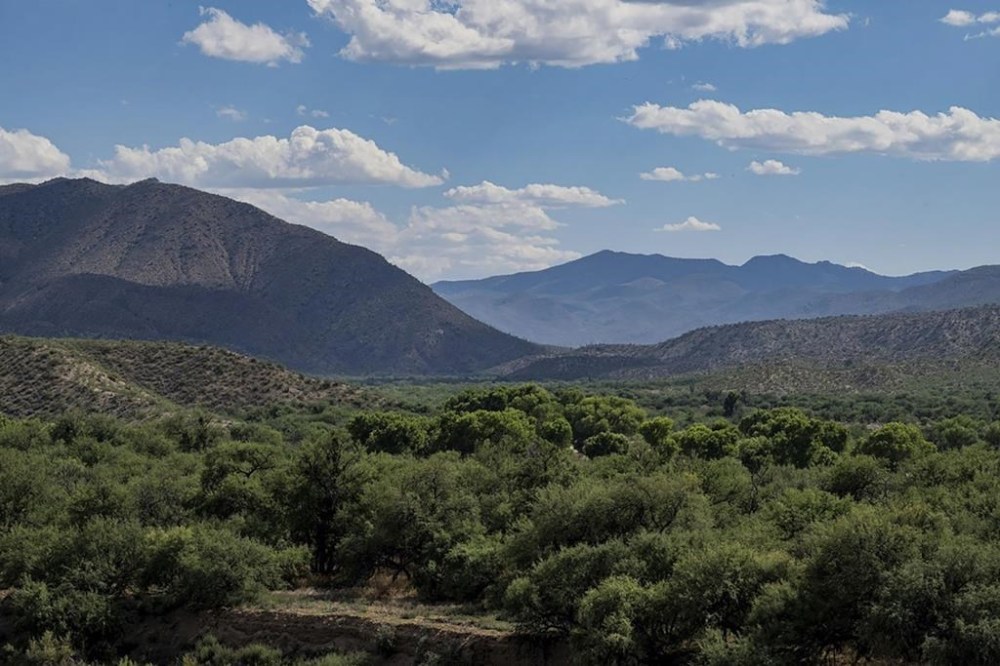
In Arizona, federal land managers briefly halted work this month along a 50-mile (80-kilometer) stretch of the line through the San Pedro Valley after the Tohono O’odham Nation, other tribes and archaeologists raised concerns that the BLM had not formally consulted them before work began.
The Bureau of Land Management lifted the temporary suspension and work resumed Wednesday. The agency scheduled a Dec. 11 meeting with tribal leaders.
Federal land managers in a letter sent Monday to the developer said the timing of the information provided by the tribes relative to the many years that have gone into planning and permitting did not support pausing work. The agency noted that the right of way through the valley was issued in 2015.
“The SunZia transmission line project is an important part of transitioning our nation to a clean energy economy by creating jobs, lowering energy costs and boosting local economies, and the BLM is committed to implementing it with as little impact as possible,” agency spokesman Brian Hires said in a statement.
The BLM said it had met with tribal representatives during the pause and that it would work with tribes to evaluate whether the valley could be classified as a traditional cultural property while mitigating effects from the transmission line on cultural and archaeological sites. The agency said it has not received information on any additional cultural sites beyond those previously identified.
Tohono O’odham Chairman Verlon M. Jose said he was disappointed but not surprised that the federal government opted to move ahead before meeting its obligation to consult with the tribes.
“It’s more than a slap in the face. It’s a punch to the gut,” he said during an interview Wednesday. “They reversed course and allowed construction to continue before the meeting could actually take place. You know, it is difficult to describe this decision as anything other than acting in bad faith.”
Jose said bulldozers have been clearing roads and pads for the massive towers that will support the high-voltage lines so damage already has been done to land that contains what he described as a high concentration of sacred sites. He said tribal members are frustrated.
“This means a lot to us,” he said of the rolling hills and mountains that make up the region. “There has not been true, meaningful consultation on this — all these years. And if we had worked together to address these issues, I’m sure we could have mitigated the concerns here.”
He added that the Tohono O’odham people have cultural and traditional responsibilities that call for them to care for the land and for people. As part of that, he said the tribe supports efforts to address climate change but insisted that development needs to be done in such a way that cultural and historic sites are given appropriate consideration under federal laws and regulations.
Like Jose, other tribal leaders have complained that the federal government often treats the consultation process as a check-the-box practice despite promises by U.S. Interior Secretary Deb Haaland that tribes would have a seat at the table. From Nevada and New Mexico to Alaska, permitting decisions over mining projects and oil and development for example have highlighted what some tribal leaders say are shortcomings in the process.

Developers of the SunZia project argue that they have worked with tribes over the years and surveys were done to identify cultural resources in the San Pedro Valley.
Natalie McCue, Pattern Energy’s assistant vice president for environmental and permitting activities, said the company will continue to support the consultation process between the federal government and tribes and will adopt mitigation measures that might result from the talks.
More than a decade in the making, SunZia’s line would be capable of transporting more than 3,500 megawatts of new wind power to 3 million people in the West. It’s expected to begin commercial service in 2026.
In New Mexico, the route was modified after the U.S. Defense Department raised concerns about the effects of the high-voltage lines on radar systems and military training operations. Environmentalists also were worried about impacts on wildlife habitat and migratory bird flight patterns in the Rio Grande Valley.
There are similar ecological concerns in the San Pedro Valley. The transmission line is at the heart of a legal challenge pending before the Arizona Court of Appeals over whether state regulatory officials there properly considered the benefits and consequences of the project.