Alberta researchers call for public inquiry into program to ensure oilsands cleanup
Advertisement
Read this article for free:
or
Already have an account? Log in here »
To continue reading, please subscribe:

Digital Subscription
One year of digital access for only $205*
- Enjoy unlimited reading on winnipegfreepress.com
- Read the E-Edition, our digital replica newspaper
- Access News Break, our award-winning app
- Play interactive puzzles
*First annual payment billed as $205.00 + GST for one year. This annual subscription will automatically renew at $233.00 + GST every 52 weeks (10% off the regular annual price of $259.35). Offer available to new and qualified returning subscribers only. Cancel any time.
To continue reading, please subscribe:
Add Free Press access to your Brandon Sun subscription for only an additional
$1 for the first 4 weeks*
- Enjoy unlimited reading on winnipegfreepress.com
- Read the E-Edition, our digital replica newspaper
- Access News Break, our award-winning app
- Play interactive puzzles
*Your next Brandon Sun subscription payment will increase by $1.00 and you will be charged $17.95 plus GST for four weeks. After four weeks, your payment will increase to $24.95 plus GST every four weeks.
Read unlimited articles for free today:
or
Already have an account? Log in here »
Hey there, time traveller!
This article was published 13/12/2023 (1018 days ago), so information in it may no longer be current.
Alberta needs an open public inquiry into how the province ensures oilsands producers can pay to clean up after themselves, says a report released Wednesday by a group of university researchers.
Co-author Martin Olszynski of the University of Calgary said the agreement at an international climate meeting to transition away from fossil fuels makes it all the more imperative that there’s enough money left to clean up tailings ponds and other impacts when the mines complete their useful life.
“We are in a changing time,” he said. “(The current system) is deliberately, entirely blinkered to this structural change to the global oil market.”
For the first time, a United Nations climate summit of nearly 200 countries agreed this week to the need to move away from coal, oil and gas.
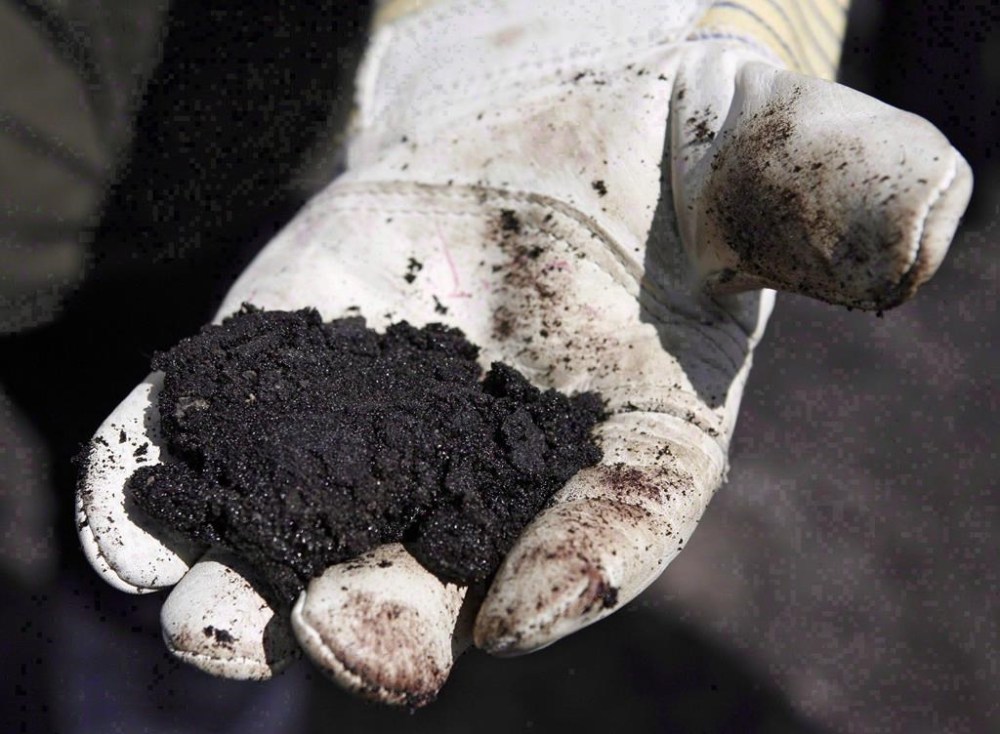
The report, from the university’s School of Public Policy, concludes the provincial government’s Mine Financial Security Program is inadequate to ensure Albertans won’t be picking up the tab for oilsands cleanup, estimated at anywhere from $45 billion to $130 billion, with $2 billion currentlyin reserve.
That cleanup isn’t expected to start for decades and the current regime allows companies to delay posting surety until their mines are near the end of their lives. That means there will be less money for cleanup just as it starts to be needed, Olszynski said.
The current program relies on oilsands companies to remain healthy decades into the future, he said. He points to major environmental problems with bankrupt coal companies in the United States as a cautionary tale.
“Companies can and do enter into financial distress,” he said.
As well, even though the Alberta Energy Regulator has called plans to remediate tailings ponds scientifically unproven, there’s no Plan B other than leaving tailings in place and covering them with fresh water. Regulatory documents show tailings are already seeping into groundwater outside the ponds.
“We’re told seepage is normal. But yet when it comes to those concentrated tailings that are toxic, that somehow there’s not a problem,” Olszynski said.
Alberta Environment spokesman Ryan Fournier said the government is committed to ensuring industry cleans up its own mess.
“The large difference in total reclamation liability to security held by the regulator is due to the fact that no oilsands mine has yet reached a point … where financial security is required,” he said in an email. “They are using mostly collateral to secure their reclamation liabilities.”
Kendall Dilling of Pathways Alliance, a group of oilsands producers, said producers will reclaim all the land they now use.
“The Mine Financial Security Program secures the full liability for the reclamation of these sites,” he said.
That program is currently undergoing review by the provincial government. But Olszynski said that review is too secretive.
“Right now, everything is being done behind closed doors.”
He said a public review is being held into renewable energy, an industry whose reclamation issues, if any, are decades in the future and far less complex. Why not for oilsands reclamation?
“It’s a question of fair treatment,” he said.
Carla Conkin, a lawyer with decades of experience in mine regulation, said Albertans should be concerned.
“There’s no question that what they’ve set out in this report is well based,” she said.

Conkin said Alberta is developing a similar pattern to what she’s seen in other jurisdictions that have been stuck with hugely expensive bills from unreclaimed mines.
“As the mine becomes less profitable, reclamation is one of the things that isn’t going to get funded.”
Environmental risk from mines can’t be simply left ignored until their resource is gone, she said.
“If you don’t have a system to deal with ongoing risk, you’re running into a situation where those liabilities are compounding without notice.”
This report by The Canadian Press was first published Dec. 13, 2023.