

Congo’s elections face enormous logistical problems sparking concerns about the vote’s credibility
Advertisement
Read this article for free:
or
Already have an account? Log in here »
To continue reading, please subscribe:

Digital Subscription
One year of digital access for only $205*
- Enjoy unlimited reading on winnipegfreepress.com
- Read the E-Edition, our digital replica newspaper
- Access News Break, our award-winning app
- Play interactive puzzles
*First annual payment billed as $205.00 + GST for one year. This annual subscription will automatically renew at $233.00 + GST every 52 weeks (10% off the regular annual price of $259.35). Offer available to new and qualified returning subscribers only. Cancel any time.
To continue reading, please subscribe:
Add Free Press access to your Brandon Sun subscription for only an additional
$1 for the first 4 weeks*
- Enjoy unlimited reading on winnipegfreepress.com
- Read the E-Edition, our digital replica newspaper
- Access News Break, our award-winning app
- Play interactive puzzles
*Your next Brandon Sun subscription payment will increase by $1.00 and you will be charged $17.95 plus GST for four weeks. After four weeks, your payment will increase to $24.95 plus GST every four weeks.
Read unlimited articles for free today:
or
Already have an account? Log in here »
Hey there, time traveller!
This article was published 18/12/2023 (1002 days ago), so information in it may no longer be current.
DAKAR, Senegal (AP) — Congo’s president says he has confidence Wednesday’s vote will be rolled out credibly, as tensions mount that a severe lack of electoral preparation could throw the conflict-riddled nation into disarray.
“We must stop scaring people,” President Felix Tshisekedi told The Associated Press. “We’ll be going (to the polls) with complete confidence until there’s evidence to the contrary.”
Some 44 million people — almost half the population — are expected to vote for Congo’s next president Wednesday in the country’s fourth election since civil and regional wars ended in the early 2000s. Yet the election is facing enormous logistical problems sparking concern it could impact its credibility, say locals and Congo experts. Thousands of polling stations might not have the materials they need upping the chances of contested results.
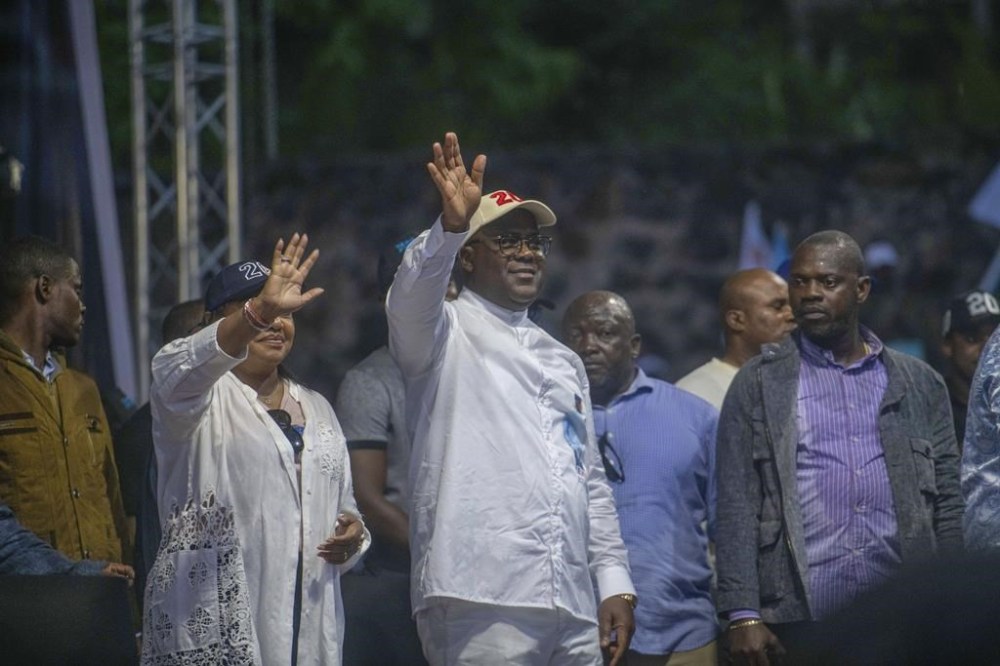
Initial fears of unrest surrounding the elections stemmed from the opposition rejecting the vote because of it being too close, but now there are worries it won’t accept the results due to the chaos surrounding them, said Richard Moncrieff, a senior analyst with the International Crisis Group.
“There could be suspicions of fraud, it could cause delays and there could be frustration with people trying to vote, all which could give huge amounts of ammunition to the opposition who could use that to reject the outcome,” he said.
The papers for reporting the results arrived in the capital, Kinshasa less than two weeks before the vote and it’s unclear if they made it to villages in remote parts of the country. The ink on voting cards has smudged making many illegible, meaning people might be turned away from polling stations, and the voter registration list hasn’t been properly audited. Also, staff running the polls aren’t being updated quickly enough on evolving procedures.
Tshisekedi is fighting for his second and final five-year term among a crowded field of approximately 20 candidates, yet there are few competitive contenders.
His main rival appears to be Moise Katumbi, the former governor of Katanga province and a millionaire businessperson whose campaign in 2018 was thwarted by the previous regime of former President Joseph Kabila. The winner needs a majority of votes in the first round and the opposition remains fractured, putting Tshisekedi as the likely favorite.
“The Congolese people have a rendezvous with their destiny, which means that this vote on (Dec. 20) is crucial not only for the future of the Congo but also for the future of Africa as a whole,” Tshisekedi said in written responses to questions sent by text.
But Tshisekedi’s track record is spotty, having spent much of his presidency trying to consolidate power over state institutions and on gaining legitimacy after a contested 2018 election. While he’s introduced free primary education and free healthcare for pregnant mothers and babies, he’s been criticized for not doing enough to help the lives of ordinary Congolese — where more than 60% live on less than $2.15 a day. He’s also struggled to stem violence in the east, a cause he campaigned on.
Conflict in eastern Congo has raged for decades, with more than 120 armed groups fighting for power, resources and to protect their communities, but it has spiked during Tshisekedi’s term with the resurgence of the M23 rebels, allegedly backed by Rwanda, who have displaced millions of people and seized swaths of land. The fighting has prevented 1.5 million people from registering to vote.
Attempts to quell the violence with an East African Force comprised of troops from neighboring countries have failed. The force is pulling out, along with the UN peacekeeping mission, which has been in Congo for decades. On Friday, a cease-fire brokered by the United States in the region was extended from 72 hours to two weeks in an attempt to lower tensions, said the White House, but it’s unclear if it will hold.
Chair of the electoral commission, Denis Kadima, said it was unfortunate that some in the east wouldn’t be able to vote but the commission was doing all it could to be transparent about the election, including implementing new measures. A key change from 2018 is that results from each of the 75,000 voting stations will be released one at a time, rather than being announced in bulk, he said.
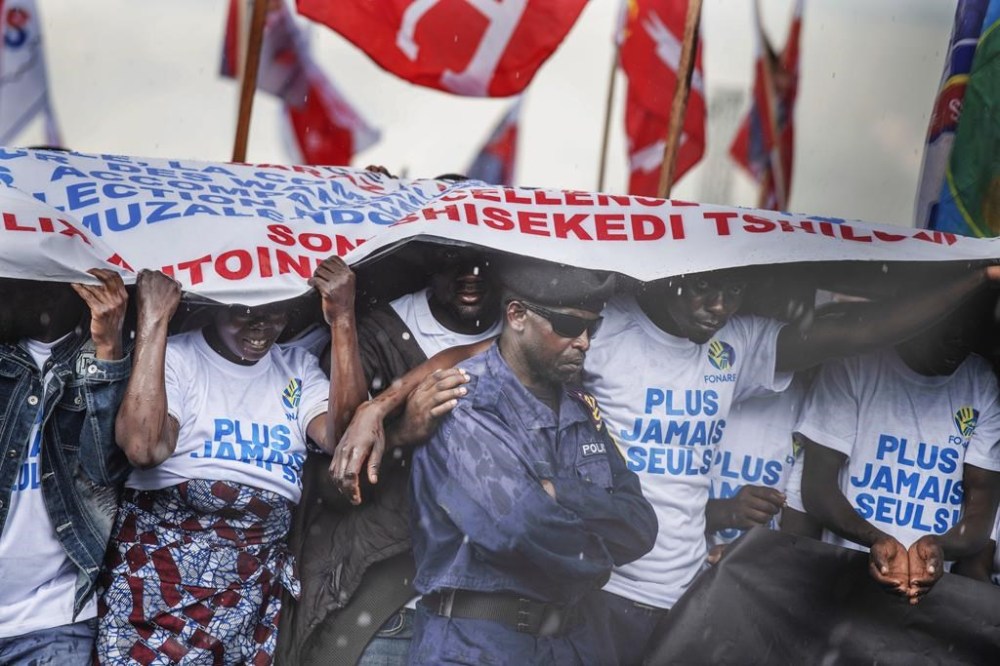
But leading up to the vote the process has been far from transparent, which is creating a crisis of confidence, say local think tanks. Last month the European Union canceled its observation mission after Congolese authorities did not authorize the use of satellite equipment for its deployment.
“The more people feel that their votes don’t count because the electoral process is biased, the more they will be tempted to vote in other ways,” said Tresor Kibangula, a political analyst at the Congolese research institute Ebuteli, referring to people possibly resorting to violence.
Violence has erupted throughout the campaign period between supporters of rival political parties, resulting in assaults, sexual violence and at least one death, said a report by Human Rights Watch on Saturday. Supporters of the ruling Union for Democracy and Social Progress Party have been implicated in threats and attacks against opposition party leaders and journalists, it said.
Earlier this month protesters threw stones and police fired live ammunition and tear gas at the lead opposition candidate Katumbi, during a rally in Moanda city forcing him to suspend his campaign in the area.
On Friday, Katumbi told the AP that the violence is a result of impunity by the ruling party, which doesn’t hold perpetrators accountable. He said he’ll only accept the election results if international and local observers confirm it’s legitimate.
“We want an election where the local observers, the international observers, they say this election was free and fair. Then yes we are not going to refuse,” he said. “If this election is not good we are not going to agree. We have to defend our country.”