

Berlin Zoo sends the first giant pandas born in Germany to China
Advertisement
Read this article for free:
or
Already have an account? Log in here »
To continue reading, please subscribe:

Digital Subscription
One year of digital access for only $205*
- Enjoy unlimited reading on winnipegfreepress.com
- Read the E-Edition, our digital replica newspaper
- Access News Break, our award-winning app
- Play interactive puzzles
*First annual payment billed as $205.00 + GST for one year. This annual subscription will automatically renew at $233.00 + GST every 52 weeks (10% off the regular annual price of $259.35). Offer available to new and qualified returning subscribers only. Cancel any time.
To continue reading, please subscribe:
Add Free Press access to your Brandon Sun subscription for only an additional
$1 for the first 4 weeks*
- Enjoy unlimited reading on winnipegfreepress.com
- Read the E-Edition, our digital replica newspaper
- Access News Break, our award-winning app
- Play interactive puzzles
*Your next Brandon Sun subscription payment will increase by $1.00 and you will be charged $17.95 plus GST for four weeks. After four weeks, your payment will increase to $24.95 plus GST every four weeks.
Read unlimited articles for free today:
or
Already have an account? Log in here »
Hey there, time traveller!
This article was published 18/12/2023 (1004 days ago), so information in it may no longer be current.
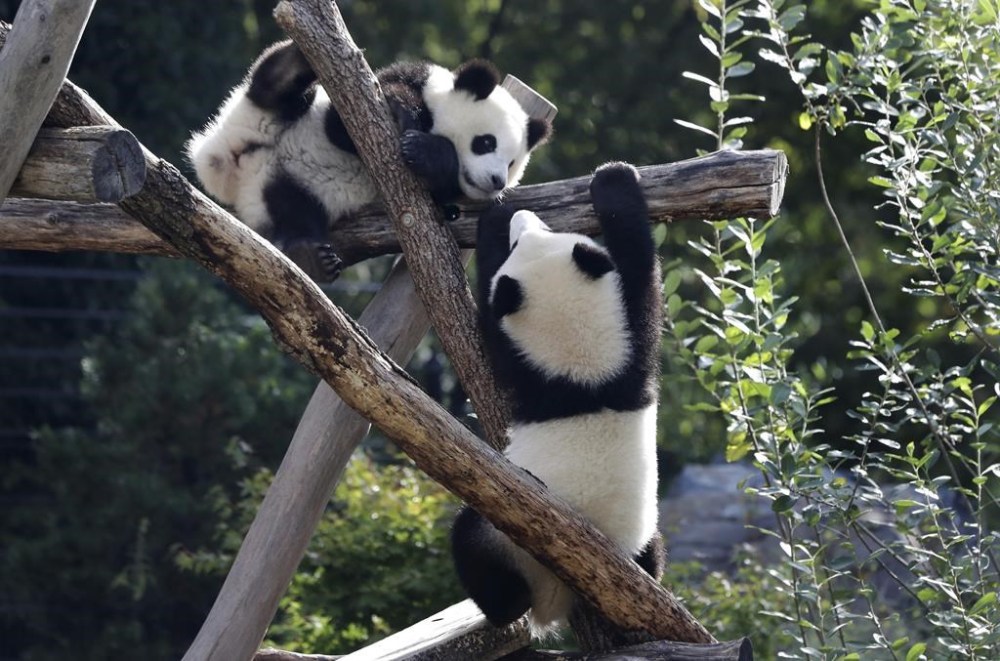
BERLIN (AP) — The Berlin Zoo has sent the first giant pandas born in Germany to China, dispatching the 4-year-olds on a journey that was delayed by the COVID-19 pandemic.
Pit and Paule, who also are known by the Chinese names Meng Xiang und Meng Yuan, departed from Berlin on Saturday aboard an Air China cargo jet and have now arrived at their new home, the Chengdu Panda Base, the zoo said Monday.
“Pit and Paule coped well with the flight,” said Andreas Pauly, the zoo’s head of animal health, who accompanied the panda brothers to China. “When the bamboo is right, pandas are usually very relaxed. It was the same on the flight.”
The pair will now spend 30 days in quarantine at the panda base.
The young pandas were a star attraction in Berlin since their birth in 2019, but their return to China was contractually agreed from the start.
While China gifted friendly nations with its unofficial mascot for decades as part of a policy of “panda diplomacy,″ the country now loans pandas to zoos on commercial terms.
Pit and Paule’s parents, Jiao Qing and Meng Meng, arrived in Berlin in 2017. They are expected to remain in the German capital for another nine years.
When the young pandas turned 4 in August, the zoo said the animals would soon travel to China — a trip that it said generally happens when the animals are 2 or 3 but was delayed by the pandemic.
Giant pandas have difficulty breeding, and births are particularly welcomed. There are about 1,800 pandas living in the wild in China and a few hundred in captivity worldwide.