Chekhov of the darp
Set in rural Mennonite Manitoba, Mitchell Toews’ short-story debut a stunner
Advertisement
Read this article for free:
or
Already have an account? Log in here »
To continue reading, please subscribe:

Digital Subscription
One year of digital access for only $205*
- Enjoy unlimited reading on winnipegfreepress.com
- Read the E-Edition, our digital replica newspaper
- Access News Break, our award-winning app
- Play interactive puzzles
*First annual payment billed as $205.00 + GST for one year. This annual subscription will automatically renew at $233.00 + GST every 52 weeks (10% off the regular annual price of $259.35). Offer available to new and qualified returning subscribers only. Cancel any time.
To continue reading, please subscribe:
Add Free Press access to your Brandon Sun subscription for only an additional
$1 for the first 4 weeks*
- Enjoy unlimited reading on winnipegfreepress.com
- Read the E-Edition, our digital replica newspaper
- Access News Break, our award-winning app
- Play interactive puzzles
*Your next Brandon Sun subscription payment will increase by $1.00 and you will be charged $17.95 plus GST for four weeks. After four weeks, your payment will increase to $24.95 plus GST every four weeks.
Read unlimited articles for free today:
or
Already have an account? Log in here »
Hey there, time traveller!
This article was published 30/12/2023 (982 days ago), so information in it may no longer be current.
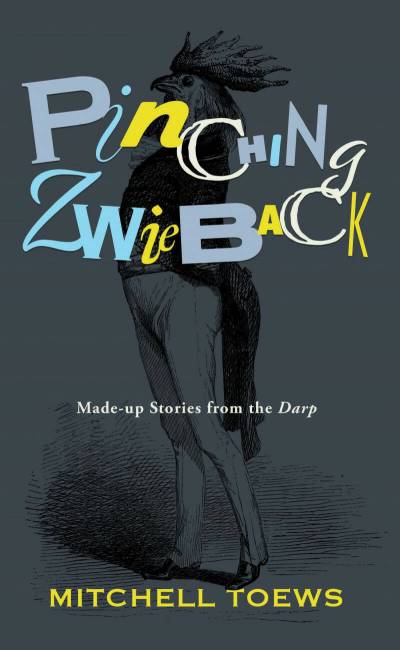
Pinching Zwieback, Mitchell Toews’ debut book of short stories, landed on my night table innocently enough, yet its searing emotional impact lingers. You can’t go wrong with a small-town setting, and Toews’ fictional darp (“village” in Mennonite Plautdietsch) yields great material.
This marvelous collection places Toews, a Manitoba Mennonite, in the elevated ranks of Canadian short-story writer Alice Munro. Pinching Zwieback could have been penned by Russian social realist Anton Chekhov if he had emigrated to the Canadian Prairies. But Alice Munro is Canada’s Chekhov. Can we have two? To minimize confusion, let’s dub Toews Chekhov of the darp.
This collection is Munro’s Lives of Girls and Women according to men and boys. I’ve been waiting for a writer to realize coming-of-age material from a male point of view; Toews exceeded expectations.
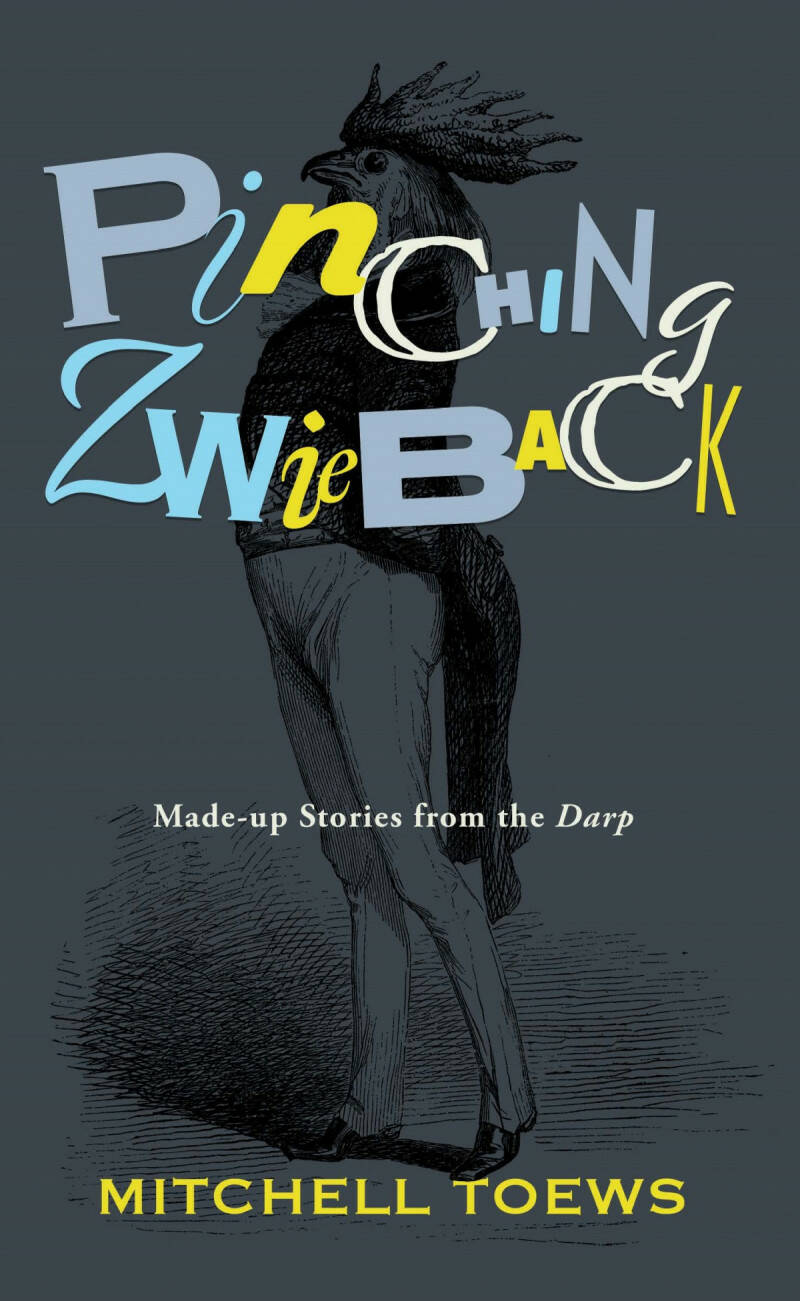
Pinching Zwieback
But what about W.O. Mitchell’s classic novel, Who Has Seen the Wind? It’s about a Prairie boy as well, but these stories have more teeth, more grit. And they are deeply layered and perhaps even autobiographical.
Toews spent more than 50 years in Steinbach, so he’s earned his small-town credentials. Every sentence in this collection rings true: the tight-knit social circles, the rigid class hierarchy, the heighted community expectations and the urgent need to transcend suffocating religious constraints.
Pinching Zwieback reads like a master class in the short story form. It’s character-driven fiction par excellence. As the 20 linked stories unfold, endearing characters re-appear and mature. For the purposes of brevity, this review will focus on the character Matthew Zehen, son of baker Hart Zehen.
Toews doesn’t spare these small-town people their daily grind. These characters’ lives aren’t sugar-coated. They are difficult, the lessons learned painful. But you can’t question their authenticity. If you want escapism, read Colleen Hoover’s treacly romances. Pinching Zwieback is gritty social realism.
In Fall From Grace, young Matthew Zehen, who fears heights, is nonetheless lured to the precarious roof of the curling rink by his friend Davey. Their mischief is to lob crabapples at passersby.
“I had experienced Davey’s leadership in the past — his time at the helm of our spring flood raft and our subsequent capsized result should have been enough to teach me a lesson, but I was slow to accept some truths about some friends.”
Matthew’s parents’ response to the boyish mischief reveals a compassionate bond forged on mutual understanding.
“Your father broke his ankle jumping off the roof of the skating rink into a snowbank with Uncle Shoesnick,” confesses Matthew’s mother, Trudy. Punishment averted, lesson learned — for now.
As the Matthew character matures, we arrive at the meat of these stories. In Rommdriewe, Matthew’s beloved parents have tragically developed into full-blown alcoholics. His father, Hart the baker, is hospitalized, and Matthew returns home alone to survey the damage.

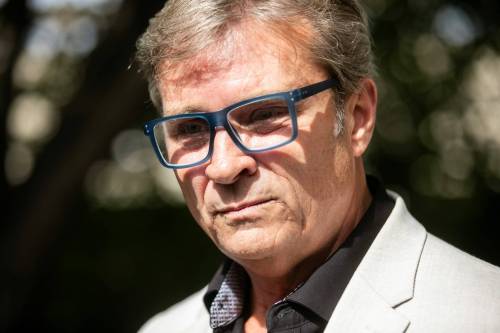
Janice Toews photo
Mitchell Toews’ 20 linked small-town stories bring gritty social realism and character-driven fiction.
Hart Zehen’s late-stage alcoholism is portrayed without sentimentality or false hope. Hart’s self-destructive lifestyle has pushed his son out of town and nothing can shift the reader’s attention from that painful emotional breach played out as a bedside vigil.
“I had all I needed to put it together. Abe and Dad pounding drinks and bullsh–ting in the shed. Her [Trudy, Matthew’s mother] drinking alone up in the house. She was drunk when she found them. Drunk in the hospital and making a scene. She sobered up as she waited for Dad to recover. Her better angels arrived then, together with remorse, shame and guilt. Then a bout of denial, and a trip home to get a drink. Just one.”
“Just one” — it’s pulled straight from the drunk’s lexicon, two words to summarize the alluring and enduring appeal of booze, the oblivion it provides and its firm hold on poor Trudy (and Hart). What else could Matthew do but leave town and forge a normal life elsewhere? It’s a tragic account of a family disease and the toll it exacts.
Bravo, Mitchell Toews. Pinching Zwieback is a brilliant debut. These may be “made-up” stories from the darp, but they read like field reports on the human condition.
Ex-urbanite Patricia Dawn Robertson makes her home in rural Saskatchewan. Her memoir, Media Brat, is forthcoming.
History
Updated on Sunday, December 31, 2023 4:21 PM CST: Fixes character name
Updated on Tuesday, January 2, 2024 2:42 PM CST: Corrects character name