

Mexican church officials have helped arrange a truce between 2 warring drug cartels
Advertisement
Read this article for free:
or
Already have an account? Log in here »
To continue reading, please subscribe:

Digital Subscription
One year of digital access for only $205*
- Enjoy unlimited reading on winnipegfreepress.com
- Read the E-Edition, our digital replica newspaper
- Access News Break, our award-winning app
- Play interactive puzzles
*First annual payment billed as $205.00 + GST for one year. This annual subscription will automatically renew at $233.00 + GST every 52 weeks (10% off the regular annual price of $259.35). Offer available to new and qualified returning subscribers only. Cancel any time.
To continue reading, please subscribe:
Add Free Press access to your Brandon Sun subscription for only an additional
$1 for the first 4 weeks*
- Enjoy unlimited reading on winnipegfreepress.com
- Read the E-Edition, our digital replica newspaper
- Access News Break, our award-winning app
- Play interactive puzzles
*Your next Brandon Sun subscription payment will increase by $1.00 and you will be charged $17.95 plus GST for four weeks. After four weeks, your payment will increase to $24.95 plus GST every four weeks.
Read unlimited articles for free today:
or
Already have an account? Log in here »
Hey there, time traveller!
This article was published 23/02/2024 (960 days ago), so information in it may no longer be current.
MEXICO CITY (AP) — Roman Catholic churchmen have helped arrange a truce between two warring drug cartels whose turf wars have blooded the state of Guerrero in southern Mexico, a priest said Thursday.
It is the latest in a series of attempts by bishops and priests to get cartels to talk to each other in hopes of reducing bloody turf battles. The implicit assumption is that the cartels will divide up the territories where they charge extortion fees and traffic drugs, without so much killing.
Rev. José Filiberto Velázquez, who had knowledge of the negotiations but did not participate in them, said the talks involved leaders of the notoriously violent Familia Michoacana cartel and the Tlacos gang, which is also known as the Cartel of the Mountain.
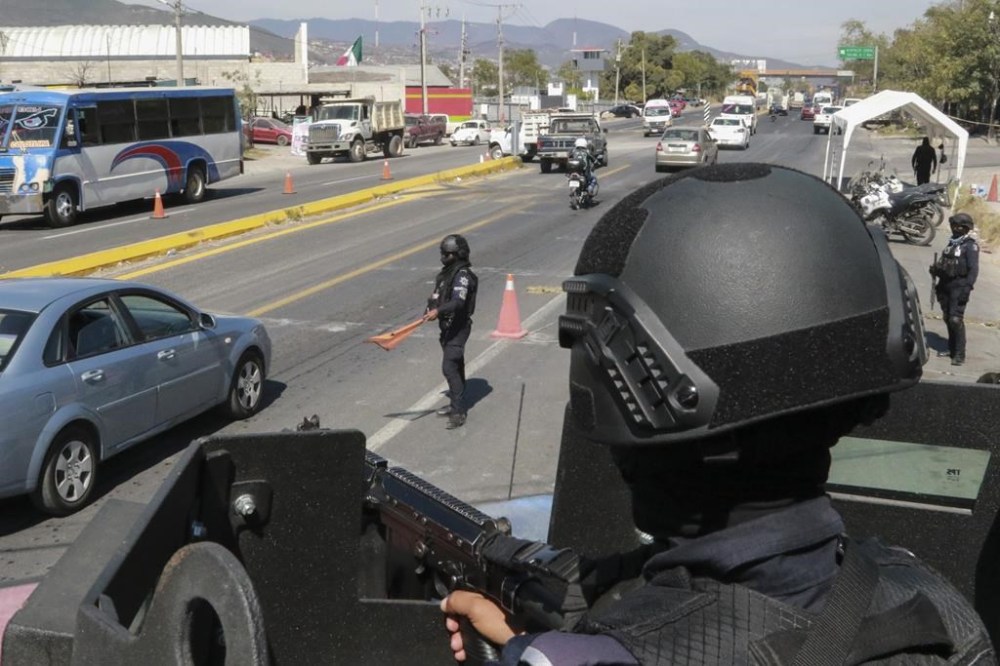
“The armed conflict that existed in the area where the attacks have occurred has ceased,” Velázquez said, though he acknowledged the agreement “hangs by a thread” and depends on the will of the gang leaders.
He was referring to an area deep in the mountains where earlier this week a grisly video was posted on social media showing cartel gunmen shooting, kicking and burning the corpses of about 15 of their enemies.
Drug cartels in Mexico frequently make videos of dead or captured gang members to intimidate or threaten rivals. Local media identified the dead as gunmen for the La Familia cartel.
Last week, a bishop in Guerrero said he and three other bishops in the state talked with cartel bosses in a bid to negotiate a peace accord in a different area.
The bishop of Chilpancingo-Chilapa, José de Jesús González Hernández, said at the time that those talks failed because the drug gangs didn’t want to stop fighting over territory in the Pacific coast state. Those turf battles have shut down transportation in at least two cities and led to dozens of killings in recent months.
“They asked for a truce, but with conditions” about dividing up territories, González Hernández said of the talks, held a few weeks earlier. “But these conditions were not agreeable to one of the participants.”
President Andrés Manuel López Obrador said last week he approves of such talks, while critics say they illustrate the extent to which the government’s policy of not confronting cartels has left average citizens to work out their own separate peace deals with the gangs.
“Priests and pastors and members of all the churches have participated, helped in pacifying the country. I think it is very good,” López Obrador said the day after the existence of the negotiations was revealed.
López Obrador added, however, that he wouldn’t approve of “any agreement that meant granting impunity, privileges or licenses to steal.”
That rang hallow to one parish priest whose town in Michoacan state has been dominated by one cartel or another for years.
“It is an implicit recognition that they (the government) can’t provide safe conditions,” said the priest, who spoke on condition of anonymity for security reasons.
“Undoubtedly, we have to talk to certain people, above all when it comes to people’s safety, but that doesn’t mean we agree with it,” the priest said.
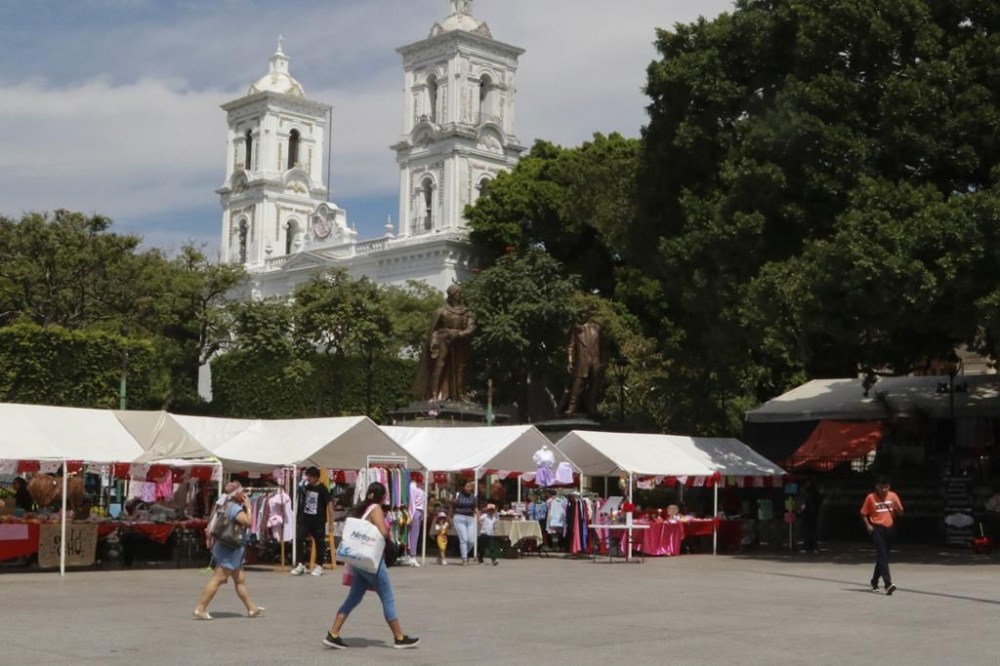
For example, he said, local residents have asked him to ask cartel bosses about the fate of missing relatives. It is a role the church does not relish.
“We wouldn’t have to do this if the government did its job right,” the priest said.
Many average Mexicans have quietly agreed to pay protection payments to drug cartels for fear of being attacked or having their homes or businesses burned. The church has also suffered — priests have been killed — but some gang leaders talk with church leaders.
Drug cartels and gangs in Mexico don’t just sell or smuggle drugs; they extort money from nearly every line of business in territories they control.
Under López Obrador’s “hugs, not bullets” policy, the government has avoided direct confrontation with cartels, allowing them to essentially take control of a dozen or more mid-size cities, where the prices of most products are higher because they include a “tax” charged by the cartels.
Retired Bishop Salvador Rangel, who headed the Chilpancingo-Chilapa diocese until 2022 and has talked about meeting with gang leaders to pursue peace, told The Associated Press that truces between gangs often don’t last long.
They are “somewhat fragile, because in the world of the drug traffickers, broken agreements and betrayal occur very easily,” Rangel said.
Still, he said, “there are other groups that want peace, they no longer want war, they no longer want to be killing each other. I want to take advantage of that desire to bring peace.”