Saskatchewan residents with low incomes worry about not getting carbon rebate
Advertisement
Read this article for free:
or
Already have an account? Log in here »
To continue reading, please subscribe:

Digital Subscription
One year of digital access for only $205*
- Enjoy unlimited reading on winnipegfreepress.com
- Read the E-Edition, our digital replica newspaper
- Access News Break, our award-winning app
- Play interactive puzzles
*First annual payment billed as $205.00 + GST for one year. This annual subscription will automatically renew at $233.00 + GST every 52 weeks (10% off the regular annual price of $259.35). Offer available to new and qualified returning subscribers only. Cancel any time.
To continue reading, please subscribe:
Add Free Press access to your Brandon Sun subscription for only an additional
$1 for the first 4 weeks*
- Enjoy unlimited reading on winnipegfreepress.com
- Read the E-Edition, our digital replica newspaper
- Access News Break, our award-winning app
- Play interactive puzzles
*Your next Brandon Sun subscription payment will increase by $1.00 and you will be charged $17.95 plus GST for four weeks. After four weeks, your payment will increase to $24.95 plus GST every four weeks.
Read unlimited articles for free today:
or
Already have an account? Log in here »
Hey there, time traveller!
This article was published 04/03/2024 (929 days ago), so information in it may no longer be current.
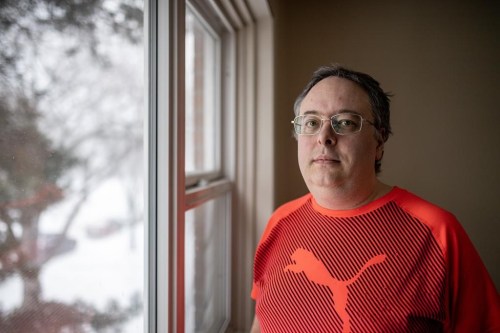
REGINA – Alan Holman says the carbon rebate he gets four times a year from the federal government is crucial for his household budget.
Without the funds, the Saskatoon resident, who is on disability assistance, says he’ll have to scale back on spending for his everyday needs.
“It gets plugged in with the rest of my money for whatever’s on my list,” Holman said in a phone interview.
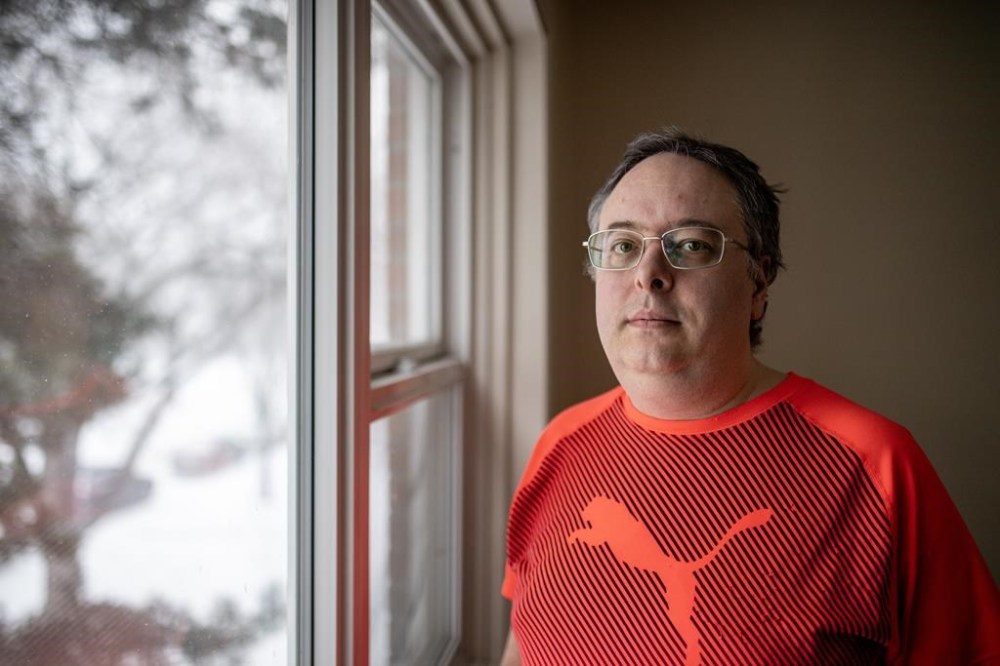
“I’m kind of a little screwed if I don’t get the rebate.”
Federal Natural Resources Minister Jonathan Wilkinson said last week that Ottawa will no longer be giving the rebates to Saskatchewan residents because Premier Scott Moe’s government is refusing to remit the federal levy on natural gas.
Moe quickly shot back on social media, threatening that the province won’t pay the levy on everything else — gasoline, diesel, propane — if residents don’t get the rebates.
Moe announced in October that SaskEnergy would stop collecting the carbon price from natural gas customers beginning in 2024. The province had until the end of February to remit those dollars and confirmed Thursday it wouldn’t be sending the money to Ottawa.
Dustin Duncan, the minister responsible for SaskEnergy, has said it’s about fairness, as Prime Minister Justin Trudeau has refused to exempt natural gas from the carbon charge like he did with home heating oil, a move that largely benefits Atlantic Canadians.
Holman said he’s tired of the political wrangling.
“I would prefer we had a premier who wouldn’t get involved in too many fights and would just let the federal government do what they’re doing,” he said.
“I wish that politicians in our province and on a federal level would have more of a cool head and be more understanding of each other’s positions.”
In Regina, researcher Cheryl Camillo said she gets more in rebates than what she pays in levies.And she’s concerned not paying the carbon charge will mean less government spending to lower emissions.
“I’m happy to pay,” she said.
“For me, it’s probably less than $1,000 per year in carbon tax. But if you’re going to take money out of my pocket and take the rebate out of my pocket and not do anything to fight (climate change), I have strong objections.”
Peter Gilmer, an advocate with the Anti-Poverty Ministry in Regina, said those on low incomes rely on the rebates to pay for essentials.
“For the vast majority of low-income people, whether they’re on income security programs or earn low wages, they’re actually better off in terms of the bottom line when receiving the rebate and paying carbon tax,” Gilmer said.
“We’re concerned.”
Wilkinson has said Saskatchewan’s refusal to remit the charge hurts lower income families, who would get more in the rebates than they pay in the levies.
The rebate for a family of four in Saskatchewan is $1,500, he said, and for those in rural communities it’s $1,800.
People making more than $250,000 per year would pay more in levies than what they get back, he added.
The province disputes that people are better off with rebates.
Duncan has said a report from the parliamentary budget officer shows Saskatchewan residents would pay $600 more in levies in 2024.
Duncan said the average household in Saskatchewan is expected to save about $400 this year, because the province isn’t collecting the charge on natural gas.
Gage Haubrich, the prairie director for the Canadian Taxpayers Federation, said the average Saskatchewan family would pay $410 more in carbon charges if they got the rebates this year.
“That’s why I think taxpayers think it’s so important to see the Saskatchewan government do something to fight the carbon tax,” he said.
“Doing this also forces the federal government to show its hand and say whether or not it’s going to keep forcing everyone to pay this tax and realize people, especially in Saskatchewan, don’t want it.”
SaskEnergy is breaking federal emissions law by choosing not to remit the levy, which could result in fines or jail time for executives.
Duncan said the Canada Revenue Agency has removed SaskEnergy as a registered distributor of natural gas and the move ensures he or the province would be liable for any penalties, not SaskEnergy.
Wilkinson said Saskatchewan is being reckless and irresponsible, as the law to impose a carbon levy was upheld by the Supreme Court of Canada.
Gilmer said when governments get into squabbles, it’s usually those with low incomes who take the brunt.
“There needs to be a compromise worked out here so low-income folks can receive the supplements that they need,” he said.
“We need to make sure the rebate is in place.”
This report by The Canadian Press was first published March 4, 2024.