‘Rust’ armorer convicted of involuntary manslaughter in fatal shooting by Alec Baldwin on movie set
Advertisement
Read this article for free:
or
Already have an account? Log in here »
To continue reading, please subscribe:
Digital Subscription
One year of digital access for only $1.44 a week*
- Enjoy unlimited reading on winnipegfreepress.com
- Read the E-Edition, our digital replica newspaper
- Access News Break, our award-winning app
- Play interactive puzzles
*Billed as $5.77 plus GST every four weeks. After 52 weeks, price increases to the regular rate of $19.95 plus GST every four weeks. Offer available to new and qualified returning subscribers only. Cancel any time.
To continue reading, please subscribe:
Add Free Press access to your Brandon Sun subscription for only an additional
$1 for the first 4 weeks*
- Enjoy unlimited reading on winnipegfreepress.com
- Read the E-Edition, our digital replica newspaper
- Access News Break, our award-winning app
- Play interactive puzzles
*Your next Brandon Sun subscription payment will increase by $1.00 and you will be charged $17.95 plus GST for four weeks. After four weeks, your payment will increase to $24.95 plus GST every four weeks.
Read unlimited articles for free today:
or
Already have an account? Log in here »
Hey there, time traveller!
This article was published 06/03/2024 (961 days ago), so information in it may no longer be current.
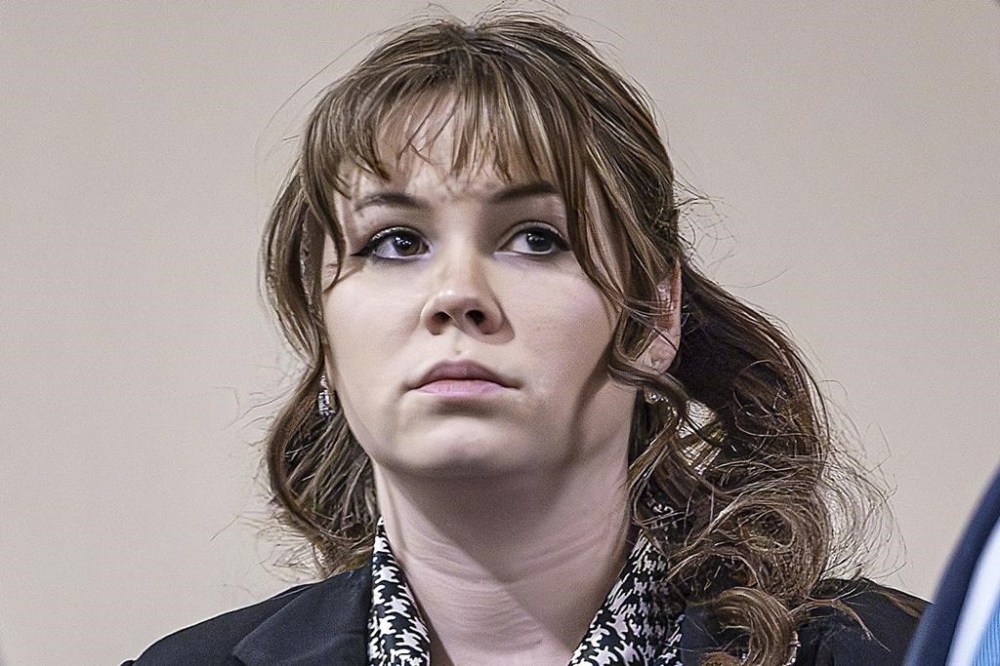
SANTA FE, N.M. (AP) — A jury convicted a movie weapons supervisor of involuntary manslaughter Wednesday in the fatal shooting of a cinematographer by actor Alec Baldwin during a rehearsal on the set of the Western movie “Rust.”
The verdict against movie armorer Hannah Gutierrez-Reed assigned new blame in the October 2021 shooting death of cinematographer Halyna Hutchins after an assistant director last year pleaded no contest to negligent handling of a firearm.
Gutierrez-Reed also had faced a second charge of tampering with evidence, stemming from accusations that she handed a small bag of possible narcotics to another crew member after the shooting to avoid detection. She was found not guilty on that count.
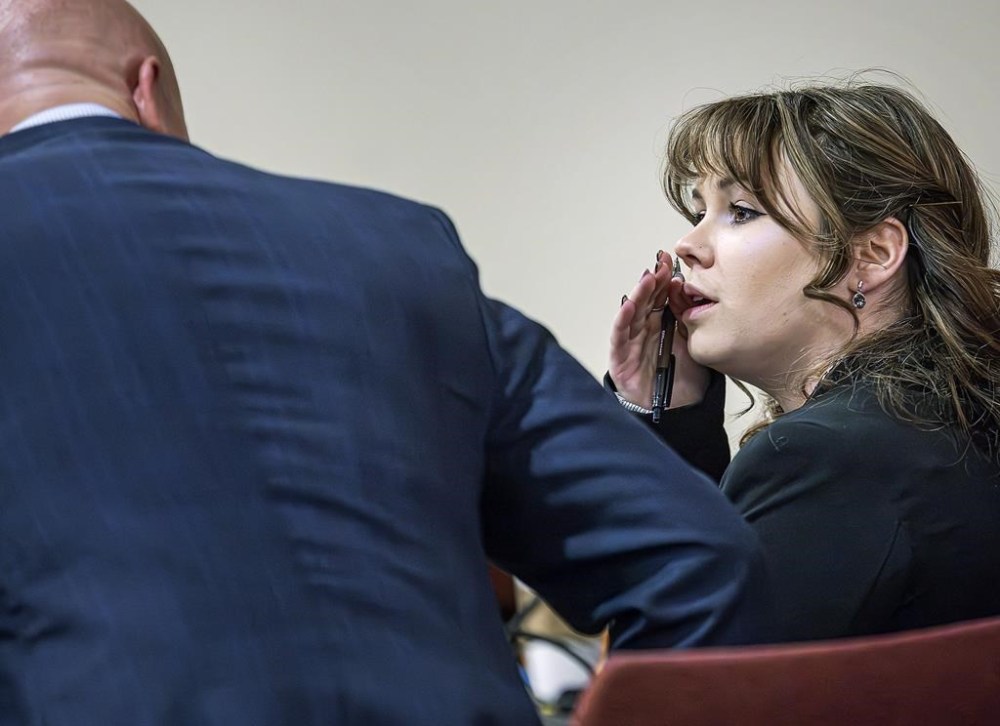
Immediately after the verdict was read in court, the judge ordered the 26-year-old armorer placed into the custody of deputies. Lead attorney Jason Bowles said afterward that Gutierrez-Reed will appeal the conviction, which carries a penalty of up to 18 months in prison and a $5,000 fine.
Santa Fe-based state district court Judge Mary Marlowe Sommer did not immediately set a sentencing date.
Baldwin, the lead actor and a co-producer on “Rust,” was indicted by a grand jury in January on a charge of involuntary manslaughter. He was pointing a gun at Hutchins on a movie set outside Santa Fe, New Mexico, when the gun went off, killing the cinematographer and wounding director Joel Souza.
The trial was a preamble to Baldwin’s trial scheduled in July. He has pleaded not guilty.
Messages seeking comment about Wednesday’s verdict from Baldwin’s spokeswoman and a lawyer were not immediately returned.
Prosecutors said at trial that Gutierrez-Reed unknowingly brought live ammunition onto the movie set, and it remained there for at least 12 days before the fatal shooting, giving the armorer plenty of time to remove it.
In closing arguments, prosecutor Kari Morrissey described “constant, never-ending safety failures” on the set of “Rust” and Gutierrez-Reed’s “astonishing lack of diligence” with gun safety.
“We end exactly where we began — in the pursuit of justice for Halyna Hutchins,” Morrissey told jurors. “Hannah Gutierrez failed to maintain firearms safety, making a fatal accident willful and foreseeable.”
Prosecutors also contended that the armorer repeatedly skipped or skimped on standard gun-safety protocols that might have detected the live rounds.
“This was a game of Russian roulette every time an actor had a gun with dummies,” Morrissey said.
An attorney for Hutchins’ parents and sister issued a statement expressing their satisfaction with Wednesday’s verdict.
“Today was the first trial and conviction in the criminal justice process,” said the statement from Gloria Allred on behalf of parents Olga Solovey and Anatolli Androsovych and Hutchins’ sister, Svetlana Zemko. “We look forward to the justice system continuing to make sure that everyone else who is responsible for Halyna’s death is required to face the legal consequences.”
Inside the courtroom Wednesday, Gutierrez-Reed’s mother reacted with dismay at the conviction, bursting into tears and cursing the proceedings as her daughter was led away.
Defense attorneys told jurors that the problems on the set extended far beyond Gutierrez-Reed’s control, including the mishandling of weapons by Baldwin, citing sanctions and findings by state workplace safety investigators.
The defense also cast doubt on accusations that Gutierrez-Reed brought live rounds to the set and said an Albuquerque-based ammunition supplier was never fully investigated.
Juror Alberto Sanchez said Gutierrez-Reed could have paused work on the set to address safety issues. Jurors concluded she brought live ammunition on set, whether she knew it or not, Sanchez said outside of court after jurors were dismissed.

“Pretty much it was just that (she) never did the safety checks,” said Sanchez, whose work nearby in Los Alamos has involved safety decisions. “Never checked the rounds, to pull them out to shake them. I mean, if she’d have done that this wouldn’t have happened.”
Bowles, the defense attorney, had told jurors that no one in the cast and crew thought there were live rounds on set and Gutierrez-Reed could not have foreseen that Baldwin would “go off-script” when he pointed the revolver at Hutchins. Investigators found no video recordings of the shooting.
“It was not in the script for Mr. Baldwin to point the weapon,” Bowles said. “She didn’t know that Mr. Baldwin was going to do what he did.”
To drive the point home, Bowles played a video outtake from another day in which Baldwin fired a revolver loaded with blanks — including a shot after a director calls “cut.”
On the day of the shooting, Bowles said, Gutierrez-Reed alone was segregated in a police car away from others, becoming a convenient scapegoat.
“You had a production company on a shoestring budget, an A-list actor that was really running the show,” Bowles said. “At the end, they had somebody they could all blame.”
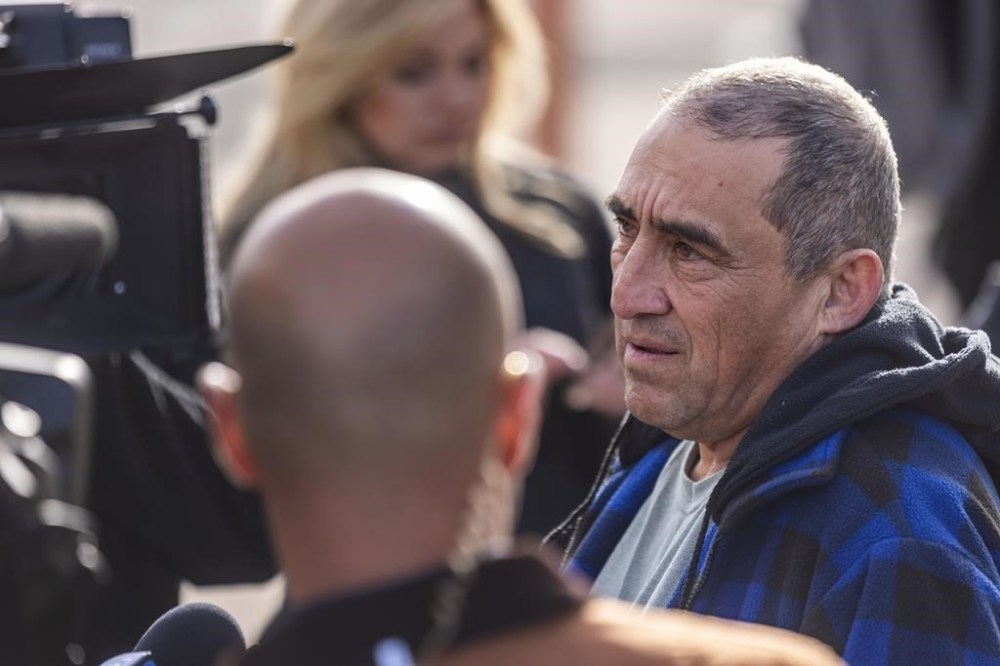
Dozens of witnesses had testified during the 10-day trial, from FBI experts in firearms and crime-scene forensics to a camera dolly operator who described the fatal gunshot and watching Hutchins go flush and lose feeling in her legs before death.

The prosecution painstakingly assembled photographic evidence it said traced the arrival and spread of live rounds on set and argued that Gutierrez-Reed repeatedly missed opportunities to ensure safety and treated basic gun protocols as optional.
The defense had cast doubt on the relevance of photographs of ammunition, noting FBI testimony that live rounds can’t be fully distinguished from dummy ones on sight.
Prosecutors said six live rounds found on set bear mostly identical characteristics and don’t match live rounds seized from the movie’s supplier in Albuquerque. Defense attorneys said the cluttered supply office was not searched until a month after the shooting, undermining the significance of physical evidence.
___
This story has been updated to correct the last name of Judge Mary Marlowe Sommer.
Related Articles
Gun supervisor for ‘Rust’ movie gets 18 months in prison for fatal shooting by Alec Baldwin on set
Advertisement Advertise With Us
Advertisement Advertise With Us