Quebec court approves class action alleging opioid makers misled users about risks
Advertisement
Read this article for free:
or
Already have an account? Log in here »
To continue reading, please subscribe:

Digital Subscription
One year of digital access for only $205*
- Enjoy unlimited reading on winnipegfreepress.com
- Read the E-Edition, our digital replica newspaper
- Access News Break, our award-winning app
- Play interactive puzzles
*First annual payment billed as $205.00 + GST for one year. This annual subscription will automatically renew at $233.00 + GST every 52 weeks (10% off the regular annual price of $259.35). Offer available to new and qualified returning subscribers only. Cancel any time.
To continue reading, please subscribe:
Add Free Press access to your Brandon Sun subscription for only an additional
$1 for the first 4 weeks*
- Enjoy unlimited reading on winnipegfreepress.com
- Read the E-Edition, our digital replica newspaper
- Access News Break, our award-winning app
- Play interactive puzzles
*Your next Brandon Sun subscription payment will increase by $1.00 and you will be charged $17.95 plus GST for four weeks. After four weeks, your payment will increase to $24.95 plus GST every four weeks.
Read unlimited articles for free today:
or
Already have an account? Log in here »
Hey there, time traveller!
This article was published 16/04/2024 (884 days ago), so information in it may no longer be current.
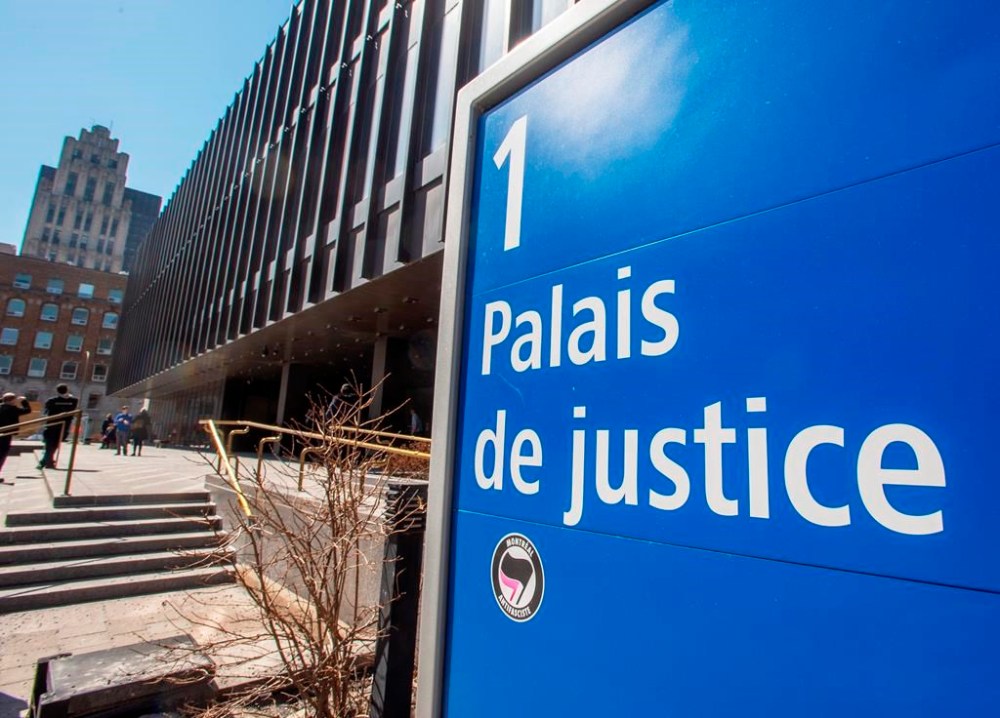
MONTREAL – A Quebec Superior Court judge has authorized a class-action lawsuit against 16 pharmaceutical companies that are alleged to have misled consumers about the efficacy and dangers of opioid medications.
The suit alleges the companies knew how addictive the drugs were but deliberately misrepresented those risks, leading users to become dependent.
“Traditionally, opioids were used in a very limited way medically,” said Margo Siminovitch, one of the lawyers behind the lawsuit. “They were used for palliative care, for example, end of life, cancer treatment, or for acute pain post surgery. And then in the mid-1990s a new narrative emerged.”
That new narrative involved pharmaceutical companies promoting the use of opioids as safe for a wide range of chronic pain conditions, ranging from headaches, to back pain and rheumatoid arthritis, she said in an interview Tuesday. “Doctors were told that if they didn’t promote opioids and use them for their patients, they were doing their patients a disservice, and it just took off and became a huge industry.”
Siminovitch said the lawsuit’s representative plaintiff, Jean-François Bourassa, has a typical story.
Bourassa, who owned a roofing company, was prescribed opioids after he fell on the job in 2005 and suffered multiple fractures. Over the next decade, he was prescribed a range of opioids but says he was never warned by a doctor or pharmacist about any risks, according to Justice Gary D.D. Morrison’s April 10 decision authorizing the class action.
By 2012, Morrison said, Bourassa was being prescribed the “maximum dose,” but over the following years, the medication stopped having any effect. In 2017, he sought medical treatment for opioid addiction; it was at that time he learned about the dangers of the drugs.
Bourassa was diagnosed with severe opioid use disorder, and completed treatment for his addiction at a Montreal hospital. Yet after he left the treatment program, he received another opioid prescription from his doctor, at a lower dose than before; as a result, he was readmitted into a drug rehab program in 2018.
In court, Bourassa described his experience with opioids as “hell on Earth.”
The class action includes everyone in Quebec who was prescribed opioid medications made by the 16 defendant pharmaceutical companies between 1996 and the present, and who was subsequently diagnosed with opioid use disorder.
Opioids that are not included in the lawsuit are OxyContin and OxyNEO, which were the subject of a separate national class-action lawsuit that has since been settled, and those that were exclusively used in hospitals. Several companies named when the suit was first proposed but that had limited activities in Quebec have already settled.
Siminovitch said she doesn’t know how many people may be included in the class-action lawsuit. Around 15 per cent of Quebec residents are prescribed opioids every year, she said, adding that somewhere between five per cent and 10 per cent of opioid users become dependent or addicted.
The pharmaceutical companies named in the suit argued against allowing the class action to proceed. They said the suit treated all opioids as if they were the same, that it provided no evidence that all opioid medications are addictive, that the companies did not misrepresent their drugs and that the proposed suit included firms whose drugs the representative plaintiff never consumed.
In an emailed statement, Sanofi Canada said the decision is “purely procedural.”
“This decision does not in any way relate to Sanofi’s liability which is denied. Sanofi will continue to defend this matter,” the company said, declining to comment further.
Sandoz Canada said it’s committed to conducting business with integrity. “We believe that these claims are without merit and will vigorously contest them,” the company said in an emailed statement.
Teva Canada said it “supports the safe and appropriate usage of opioid medications under the supervision of health-care professionals” but declined to comment further, while Pfizer declined to comment.
None of the other companies named in the suit responded to requests for comment from The Canadian Press. They are: Abbott Laboratories, Apotex, Bristol-Myers Squibb Canada, Ethypharm, Janssen, Labratoire Atlas, Labratoire Riva, Labratoire Trianon, Pharmascience, Pro Doc, Purdue Pharma and Sun Pharma Canada.
Siminovitch said she and her colleagues are waiting to see whether the defendants will seek permission to appeal the authorization. She said she hopes some will settle, but added that she and her colleagues are prepared to go to trial.
The suit seeks $30,000 in damages for each member of the class, plus additional damages to be determined on an individual basis, as well as a total of$25 million in punitive damages.
The Quebec government has joined a separate proposed class-action lawsuit brought by the government of British Columbia against dozens of opioid makers. That suit seeks billions of dollars for heath-care costs related to the opioid crisis.
This report by The Canadian Press was first published April 16, 2024.