Cisco Systems joins Microsoft, IBM in Vatican pledge to ensure ethical use and development of AI
Advertisement
Read this article for free:
or
Already have an account? Log in here »
To continue reading, please subscribe:

Digital Subscription
One year of digital access for only $205*
- Enjoy unlimited reading on winnipegfreepress.com
- Read the E-Edition, our digital replica newspaper
- Access News Break, our award-winning app
- Play interactive puzzles
*First annual payment billed as $205.00 + GST for one year. This annual subscription will automatically renew at $233.00 + GST every 52 weeks (10% off the regular annual price of $259.35). Offer available to new and qualified returning subscribers only. Cancel any time.
To continue reading, please subscribe:
Add Free Press access to your Brandon Sun subscription for only an additional
$1 for the first 4 weeks*
- Enjoy unlimited reading on winnipegfreepress.com
- Read the E-Edition, our digital replica newspaper
- Access News Break, our award-winning app
- Play interactive puzzles
*Your next Brandon Sun subscription payment will increase by $1.00 and you will be charged $17.95 plus GST for four weeks. After four weeks, your payment will increase to $24.95 plus GST every four weeks.
Read unlimited articles for free today:
or
Already have an account? Log in here »
Hey there, time traveller!
This article was published 24/04/2024 (869 days ago), so information in it may no longer be current.
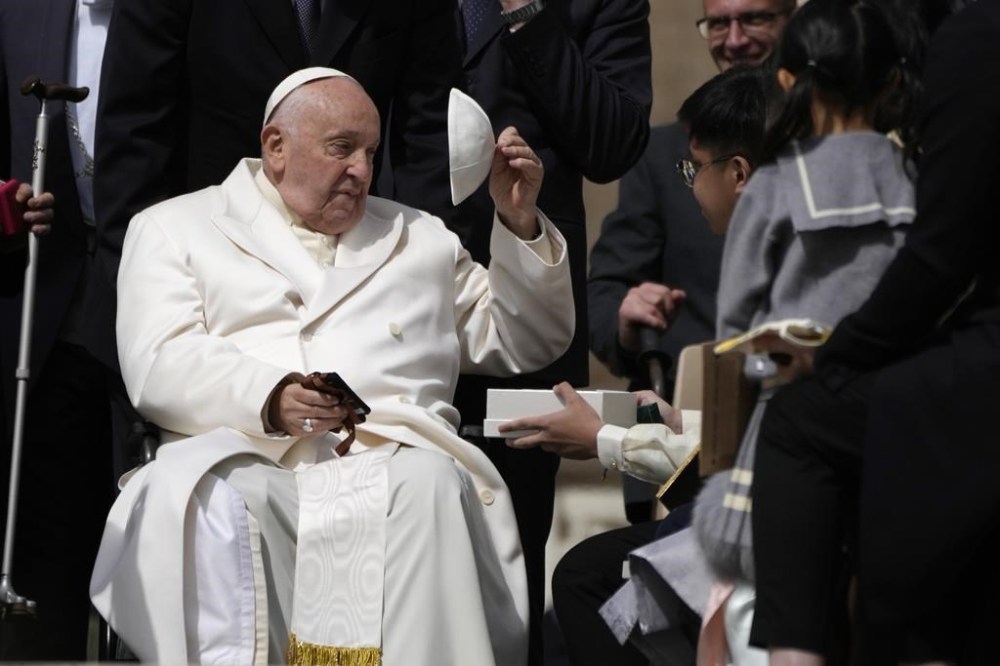
ROME (AP) — Tech giant Cisco Systems on Wednesday joined Microsoft and IBM in signing onto a Vatican-sponsored pledge to ensure artificial intelligence is developed and used ethically and to benefit the common good.
Cisco Systems chief executive Chuck Robbins signed the document, known as the Rome Call, and met privately with Pope Francis, the Vatican said.
The pledge outlines key pillars of ethical and responsible use of AI. It emphasizes that AI systems must be designed, used and regulated to serve and protect the dignity of all human beings, without discrimination, and their environments. It highlights principles of transparency, inclusion, responsibility, impartiality and security as necessary to guide all AI developments.
The document was unveiled and signed at a Vatican conference on Feb. 28, 2020 — just before Italy locked down as a result of the COVID-19 pandemic — by Microsoft’s Brad Smith and IBM’s John Kelly III. Universities, U.N. agencies, private corporations and nongovernmental organizations have signed on as well.
Francis has called for an international treaty to ensure AI is developed and used ethically, devoting his annual peace message this year to the topic.
Archbishop Vincenzo Paglia, president of the Pontifical Academy for Life who is leading the AI initiative, welcomed Cisco’s participation. He cited the IT company’s expertise in “infrastructure, security and protection of AI data and systems.”
Artificial intelligence has captured world attention thanks to advances by cutting-edge systems like OpenAI’s ChatGPT that have dazzled users with the ability to produce human-like text, photos and songs. But the technology has also raised fears about the risks the rapidly developing technology poses to jobs, privacy and copyright protection and even human life itself.