Millions swelter under dangerous Fourth of July heat wave
Advertisement
Read this article for free:
or
Already have an account? Log in here »
To continue reading, please subscribe:
Digital Subscription
One year of digital access for only $1.44 a week*
- Enjoy unlimited reading on winnipegfreepress.com
- Read the E-Edition, our digital replica newspaper
- Access News Break, our award-winning app
- Play interactive puzzles
*Billed as $5.77 plus GST every four weeks. After 52 weeks, price increases to the regular rate of $19.95 plus GST every four weeks. Offer available to new and qualified returning subscribers only. Cancel any time.
To continue reading, please subscribe:
Add Free Press access to your Brandon Sun subscription for only an additional
$1 for the first 4 weeks*
- Enjoy unlimited reading on winnipegfreepress.com
- Read the E-Edition, our digital replica newspaper
- Access News Break, our award-winning app
- Play interactive puzzles
*Your next Brandon Sun subscription payment will increase by $1.00 and you will be charged $17.95 plus GST for four weeks. After four weeks, your payment will increase to $24.95 plus GST every four weeks.
Read unlimited articles for free today:
or
Already have an account? Log in here »
Hey there, time traveller!
This article was published 04/07/2024 (841 days ago), so information in it may no longer be current.
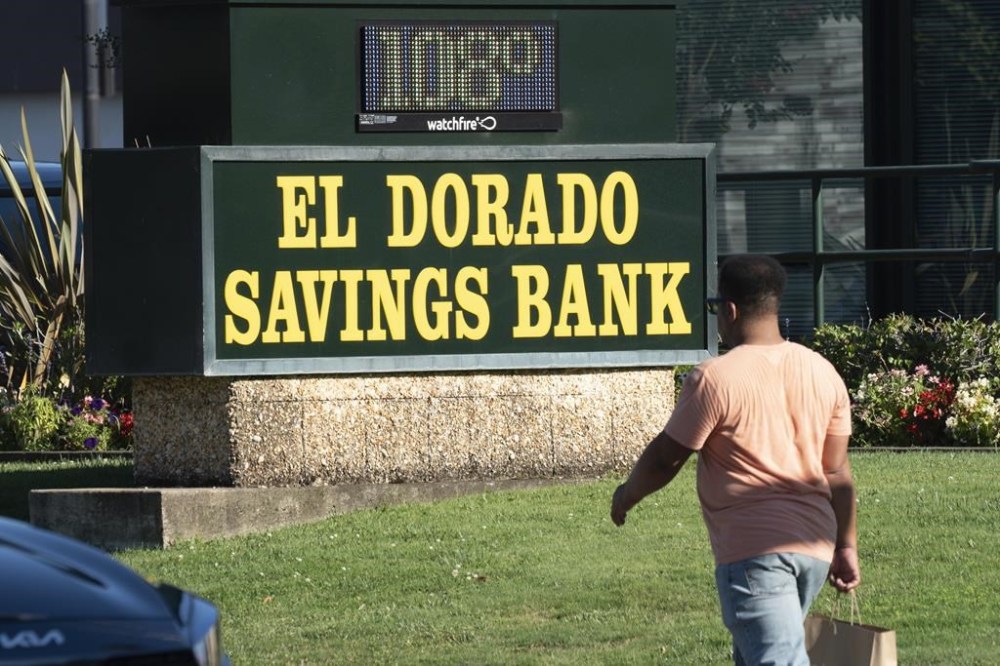
Around 134 million people in the U.S. are under alerts as an “extremely dangerous and record-breaking” heat wave broils much of the country, according to the National Weather Service.
Regions that may see temperatures above 90 degrees Fahrenheit (32 degrees Celsius) or much higher into the triple digits (well above 37 degrees Celsius) include nearly all of the West Coast, the southern Plains, most of the lower Mississippi Valley into the Ohio Valley and parts of Florida, said Bob Oravec, a lead forecaster with the National Weather Service.
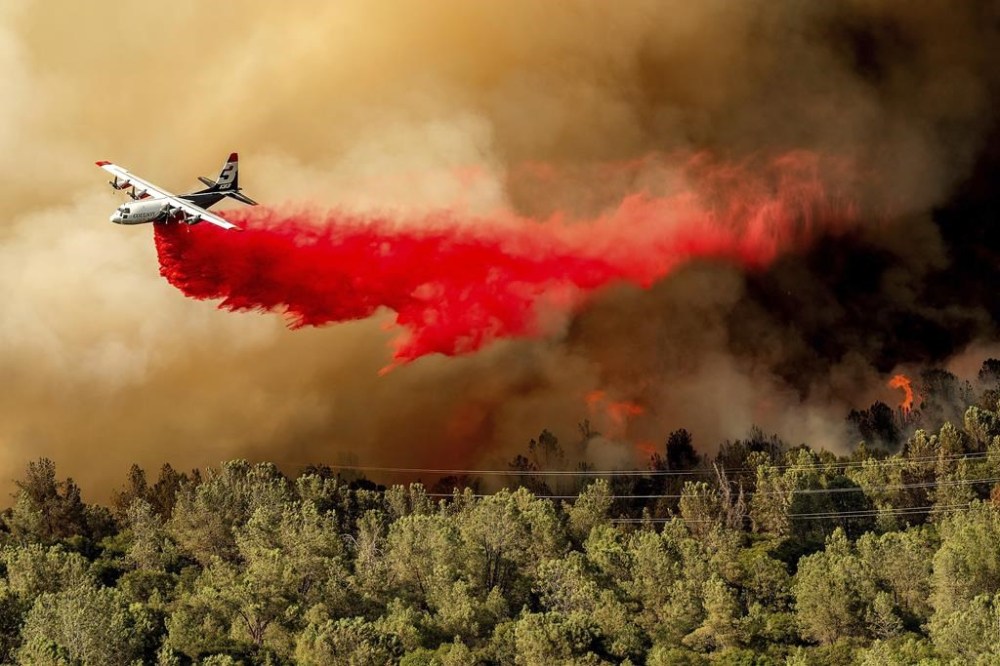
The Pacific Northwest will see the mercury rising later in the weekend. Arizona will continue to sizzle as firefighters battle a wildfire near Phoenix, where some contend with burns from blazing hot asphalt, concrete or other surfaces. And more humid regions will see a muggy weekend.
“If it’s both humid and hot, you can’t really rely on sweat to cool you down to a safe level,” said Daniel Swain, a climate scientist with the University of California, Los Angeles.
It’s a dangerous weather pattern hitting as fires burn in northern California, and just in time for a holiday weekend. When people are celebrating, “it’s very easy to get sidetracked,” staying out for longer and forgetting to stay hydrated, said Chris Stachelski, a meteorologist with the National Weather Service. “And then all of a sudden you’re putting yourself more at risk.”
Human-caused climate change is making heat waves longer and more intense. More research will be needed to link an individual event like this one directly to climate change, but given the overall trajectory, Swain wasn’t surprised by the forecast this weekend. Even so, “the pace of record breaking heat extremes and precipitation extremes is becoming a little bit overwhelming,” he said.
This heat wave’s expected duration, breadth and high overnight temperatures compound the risks to people’s health. “I think this heat wave may end up being more consequential, more dangerous, and more record breaking in many cases than the heat waves that produce those slightly higher temperatures,” Swain said.
Stachelski added that even after the highest temperatures have passed, heat can still be dangerous, especially to the most vulnerable — the young, old and those without access to air conditioning.
Experts urge people to drink plenty of water and find air conditioning. Big Sur State Parks used Sabrina Carpenter lyrics to urge hikers to “please, please, please” avoid caffeine and alcohol, wear sun protection and know trails ahead of time.
The extended high temperatures that cook the West Coast will also dry out vegetation and set the stage to make the remaining months of the fire season more severe, Swain said.
“Heat is an underrated killer,” Swain said, referring both in the short term to heat waves like this one and to the broader trends of global warming. “It’s one we’ve long underestimated. And I think we continue to do so at our peril.”
___
The Associated Press’ climate and environmental coverage receives financial support from multiple private foundations. AP is solely responsible for all content. Find AP’s standards for working with philanthropies, a list of supporters and funded coverage areas at AP.org.