

The EU judicial cooperation agency is stepping up its fight against organized crime
Advertisement
Read this article for free:
or
Already have an account? Log in here »
To continue reading, please subscribe:

Digital Subscription
One year of digital access for only $205*
- Enjoy unlimited reading on winnipegfreepress.com
- Read the E-Edition, our digital replica newspaper
- Access News Break, our award-winning app
- Play interactive puzzles
*First annual payment billed as $205.00 + GST for one year. This annual subscription will automatically renew at $233.00 + GST every 52 weeks (10% off the regular annual price of $259.35). Offer available to new and qualified returning subscribers only. Cancel any time.
To continue reading, please subscribe:
Add Free Press access to your Brandon Sun subscription for only an additional
$1 for the first 4 weeks*
- Enjoy unlimited reading on winnipegfreepress.com
- Read the E-Edition, our digital replica newspaper
- Access News Break, our award-winning app
- Play interactive puzzles
*Your next Brandon Sun subscription payment will increase by $1.00 and you will be charged $17.95 plus GST for four weeks. After four weeks, your payment will increase to $24.95 plus GST every four weeks.
Read unlimited articles for free today:
or
Already have an account? Log in here »
Hey there, time traveller!
This article was published 25/09/2024 (719 days ago), so information in it may no longer be current.
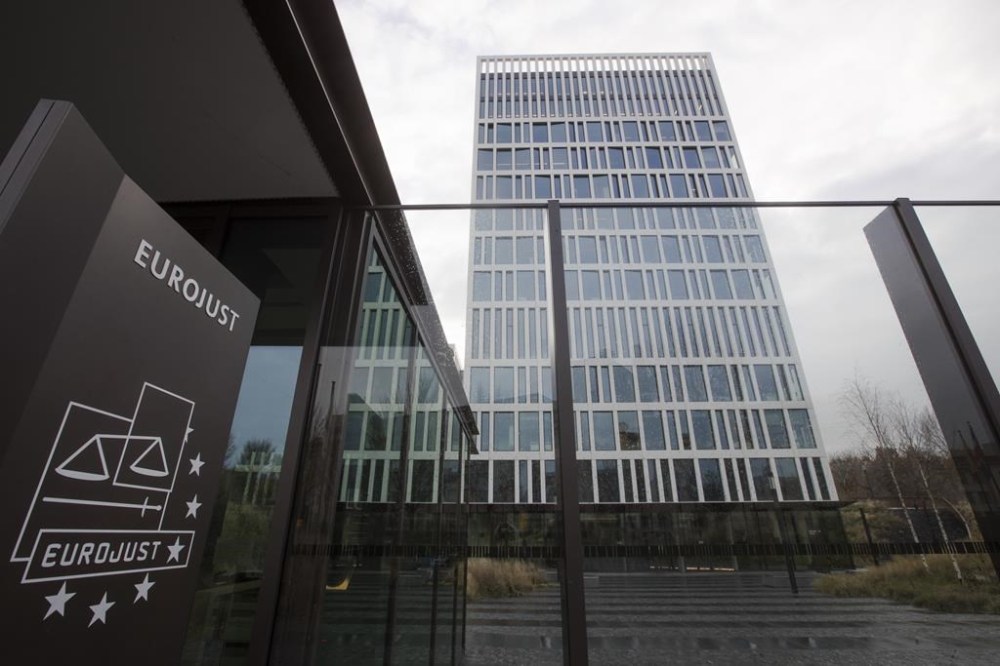
THE HAGUE, Netherlands (AP) — The European Union’s judicial cooperation agency, Eurojust, launched a new network on Wednesday to strengthen and further coordinate the continent’s fight against organized crime.
The European Judicial Organised Crime Network’s first priority will be tackling drug-related crime. Drug trafficking cases at Eurojust have doubled since 2020. The organization said that in 2023 it worked on almost 2,500 cases that led to the seizure of drugs worth more than 25 billion euros ($28 billion).
Eurojust said in a statement that tackling crime gangs that generate an estimated 139 billion euros in illicit profits each year “requires a transnational approach that is fast and flexible and that can adapt to an ever-changing criminal landscape.”
Evi Franco, a federal magistrate at the Belgian Federal Prosecutor’s Office who deals with organized crime gangs, welcomed the new network, saying it will enhance communication between prosecutors in countries across the 27-nation bloc.
“Only by a closer cooperation, we can take on major drug trafficking, money laundering, fraud, but also migrant smuggling and human trafficking. We have to work together so organized crime does not have the upper hand,” she told reporters in an online briefing.
Earlier this year, Belgian authorities said that customs seized 116 tons of cocaine in the port of Antwerp in 2023, setting a record for the second year in a row. Authorities blame the fast-growing drug trade for outbreaks of violence in major port cities like Antwerp, Rotterdam in the Netherlands, and Marseille in France.
Eurojust’s president, Ladislav Hamran, said the new network will speed up cooperation between different countries seeking to crack down on the drug trade.
“Through closer collaboration and by aligning judicial strategies across member states, we send a clear message: Organized crime knows no borders, but neither does our resolve to investigate and prosecute,” Hamran said in a statement.