

The fight against loneliness

Advertisement
Read this article for free:
or
Already have an account? Log in here »
To continue reading, please subscribe:

Digital Subscription
One year of digital access for only $205*
- Enjoy unlimited reading on winnipegfreepress.com
- Read the E-Edition, our digital replica newspaper
- Access News Break, our award-winning app
- Play interactive puzzles
*First annual payment billed as $205.00 + GST for one year. This annual subscription will automatically renew at $233.00 + GST every 52 weeks (10% off the regular annual price of $259.35). Offer available to new and qualified returning subscribers only. Cancel any time.
To continue reading, please subscribe:
Add Free Press access to your Brandon Sun subscription for only an additional
$1 for the first 4 weeks*
- Enjoy unlimited reading on winnipegfreepress.com
- Read the E-Edition, our digital replica newspaper
- Access News Break, our award-winning app
- Play interactive puzzles
*Your next Brandon Sun subscription payment will increase by $1.00 and you will be charged $17.95 plus GST for four weeks. After four weeks, your payment will increase to $24.95 plus GST every four weeks.
Read unlimited articles for free today:
or
Already have an account? Log in here »
Hey there, time traveller!
This article was published 30/10/2024 (661 days ago), so information in it may no longer be current.
Human beings are highly social animals. We like to spend time in each other’s company, and we sometimes even shoot the breeze with strangers, so is it any wonder that being alone when you don’t want to be causes a dull, soul-crushing ache?
It certainly explains why there is such a profusion of popular songs lamenting that feeling.
It’s so easy to come up with a sorrowful playlist. I think of Paul McCartney’s No More Lonely Nights, Eric Carmen’s All By Myself, Harry Nilsson’s One Is the Loneliest Number, Roy Orbison’s Only the Lonely, Al Green’s Tired of Being Alone and, the saddest granddaddy of them all, Hank Williams’s I’m So Lonesome I Could Cry.
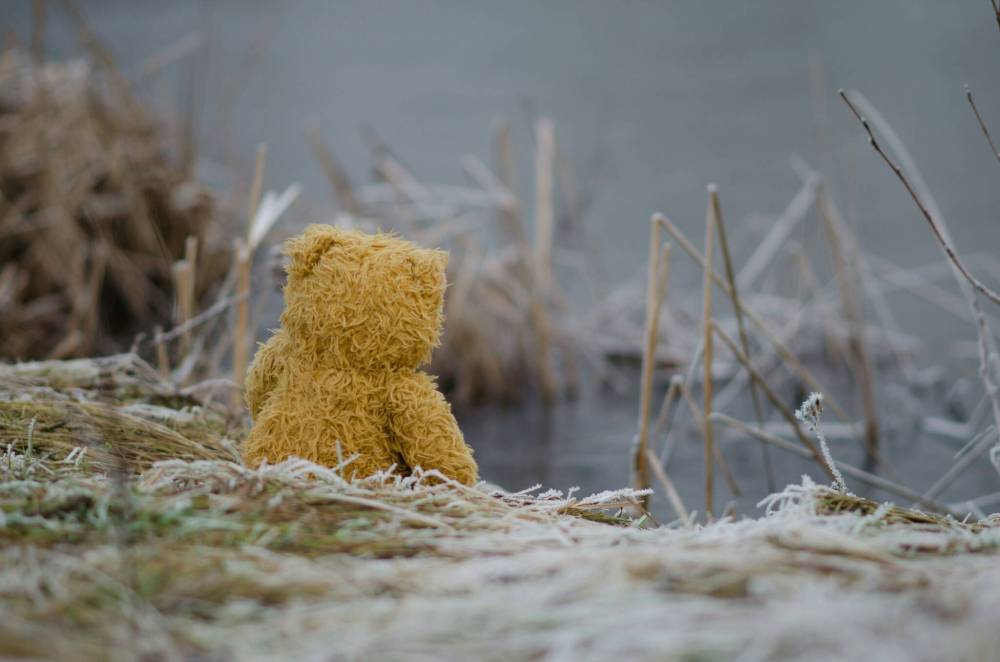
Of course, the Beatles captured the feeling best in the beautifully poignant and poetic Eleanor Rigby, where the titular character “Waits at the window / Wearing the face that she keeps in a jar by the door / Who is it for?”
There are nearly 40 million people in Canada, so why would anyone be lonely here? Well, because you can feel alone even in a crowd, and evidently many people are suffering.
The latest data from Statistics Canada reveal that 14.7 per cent of the country’s population — excluding those in the territories — reports feeling lonely frequently.
Manitoba tops the chart with 17 per cent saying they always or often feel lonely. In Newfoundland and Labrador, where the small population sometimes makes it seem as if there’s no one you haven’t met, we’re at the low end with 8.3 per cent.
When you look at the big picture — comparing the number of people who feel lonely at least some of the time vs. those who almost never do — nearly all the provinces reported their populations as being divided half and half (with P.E.I. and Quebec being the less-lonely outliers).
In Eleanor Rigby, the Beatles ask: “All the lonely people / where do they all come from?” Thanks to statistics, we now know.
In Canada, loneliness is of epidemic proportions, as it is in other countries, including the U.S. and the U.K.
No wonder the World Health Organization declared loneliness a global health concern last year, noting that, “social isolation and loneliness have a serious impact on physical and mental health, quality of life, and longevity.” And that the effect on mortality is “comparable to that of other well-established risk factors such as smoking, obesity and physical inactivity.”
I was out walking with a friend recently — enjoying her company on the kind of October day so unusually balmy it deceives you into thinking that fall won’t be as cold and wet this year — when we saw the driver of a Canada Post van making a home delivery.
The rarity of such a sight — on a Sunday, no less — got my friend musing about how so many once routine human interactions have disappeared from our lives. Regular visits from the mail carrier, the milkman, the Avon lady — even couriers, who once made deliveries face to face. Most have been replaced by changing business models, including online shopping and contactless delivery.
As a teenager in a very small town, I went door to door with the Regal catalogue, selling wrapping paper and greeting cards and kitchen gadgets and probably encroaching on the Avon lady’s business. She needn’t have worried. I was a poor salesperson and never wanted my customers to feel any pressure to buy, but I realized from the number of solitary older people who asked me to stay for a cup of tea that I was giving them more than an opportunity to order a few trinkets they didn’t need.
They were glad for the companionship.
I see loneliness every time I visit my mother’s retirement home, too. Some sit quietly in the lobby staring blankly, each an island unto themselves until sleep grants them a kindness and they nod off for a while. How can that be healthy?
On my mother’s birthday, my sister joined her for lunch and brought her a cake, only to discover it was another resident’s birthday as well. The difference was, he had no one to mark the occasion with; not a single soul to acknowledge what should have been a special day.
My sister wished him a happy birthday and cut him a piece of cake.

The story reminds me of the bar patrons in Billy Joel’s Piano Man, who are “sharing a drink they call loneliness, but it’s better than drinking alone.”
A little milk of human kindness goes a long way. Maybe more of us of who aren’t suffering should spare a thought — and a moment — for those who are.
Pam Frampton is a freelance writer and editor who lives in St. John’s.
pamelajframpton@gmail.com
X: pam_frampton
Pam Frampton is a columnist for the Free Press. She has worked in print media since 1990 and has been offering up her opinions for more than 20 years. Read more about Pam.
Pam’s columns are built on facts, but offer her personal views through arguments and analysis. Every column Pam produces is reviewed by an editing team before it is posted online or published in print — part of the Free Press‘s tradition, since 1872, of producing reliable independent journalism. Read more about Free Press’s history and mandate, and learn how our newsroom operates.
Our newsroom depends on a growing audience of readers to power our journalism. If you are not a paid reader, please consider becoming a subscriber.
Our newsroom depends on its audience of readers to power our journalism. Thank you for your support.
Pam Frampton is a columnist for the Free Press. She has worked in print media since 1990 and has been offering up her opinions for more than 20 years. Read more about Pam.
Pam’s columns are built on facts, but offer her personal views through arguments and analysis. Every column Pam produces is reviewed by an editing team before it is posted online or published in print — part of the Free Press‘s tradition, since 1872, of producing reliable independent journalism. Read more about Free Press’s history and mandate, and learn how our newsroom operates.
Our newsroom depends on a growing audience of readers to power our journalism. If you are not a paid reader, please consider becoming a subscriber.
Our newsroom depends on its audience of readers to power our journalism. Thank you for your support.
Advertisement Advertise With Us
Advertisement Advertise With Us