

Feds list seven criminal groups as terrorist entities to fight fentanyl trafficking
Advertisement
Read this article for free:
or
Already have an account? Log in here »
To continue reading, please subscribe:

Digital Subscription
One year of digital access for only $205*
- Enjoy unlimited reading on winnipegfreepress.com
- Read the E-Edition, our digital replica newspaper
- Access News Break, our award-winning app
- Play interactive puzzles
*First annual payment billed as $205.00 + GST for one year. This annual subscription will automatically renew at $233.00 + GST every 52 weeks (10% off the regular annual price of $259.35). Offer available to new and qualified returning subscribers only. Cancel any time.
To continue reading, please subscribe:
Add Free Press access to your Brandon Sun subscription for only an additional
$1 for the first 4 weeks*
- Enjoy unlimited reading on winnipegfreepress.com
- Read the E-Edition, our digital replica newspaper
- Access News Break, our award-winning app
- Play interactive puzzles
*Your next Brandon Sun subscription payment will increase by $1.00 and you will be charged $17.95 plus GST for four weeks. After four weeks, your payment will increase to $24.95 plus GST every four weeks.
Read unlimited articles for free today:
or
Already have an account? Log in here »
Hey there, time traveller!
This article was published 20/02/2025 (575 days ago), so information in it may no longer be current.
OTTAWA – Seven transnational criminal organizations are being listed as terrorist entities under the Criminal Code to fight fentanyl trafficking, the federal government announced Thursday.
The move is the Liberal government’s latest measure to bolster security and policing in response to American criticism.
U.S. President Donald Trump has threatened to impose widespread tariffs on Canadian products, citing the southbound flow of migrants and drugs, including fentanyl.
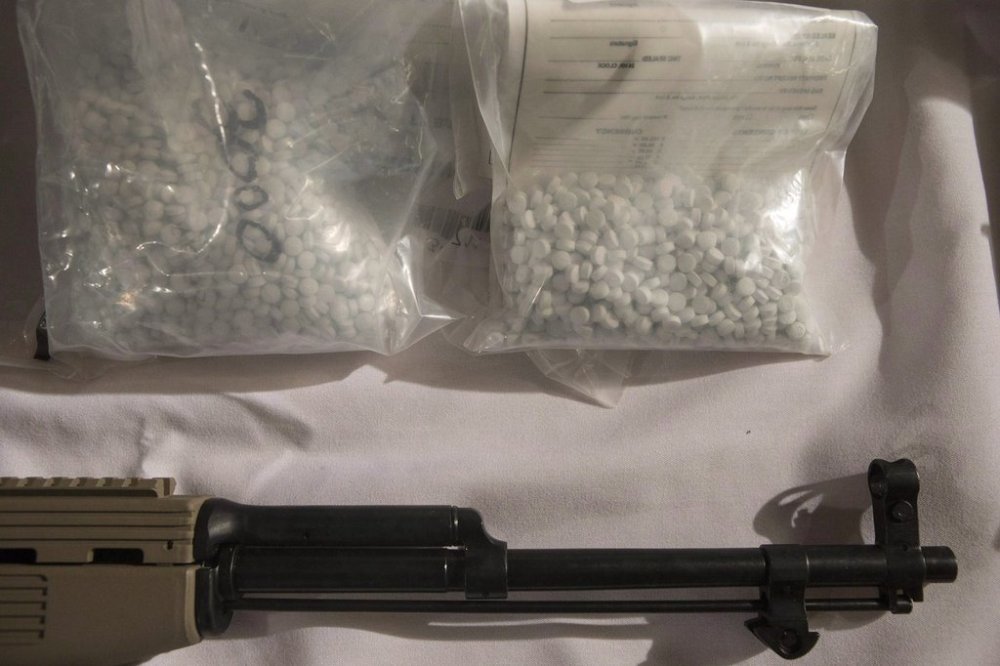
U.S. border patrol statistics show that less than one per cent of fentanyl seized is found at the northern border. But Canadian officials have expressed a willingness to do more to combat the deadly synthetic opioid.
The listed organizations include the Mexico-based Sinaloa Cartel and Mara Salvatrucha, also known as MS-13.
The others are Cartel del Golfo, La Familia Michoacana, Carteles Unidos, Tren de Aragua and Cartel de Jalisco Nueva Generación.
A listed terrorist group is not banned and being listed is not a crime. But the designation effectively freezes a group’s assets and property, which can be subject to seizure or forfeiture.
It is also an offence to knowingly participate in, or contribute to, any activity of a listed terrorist group.
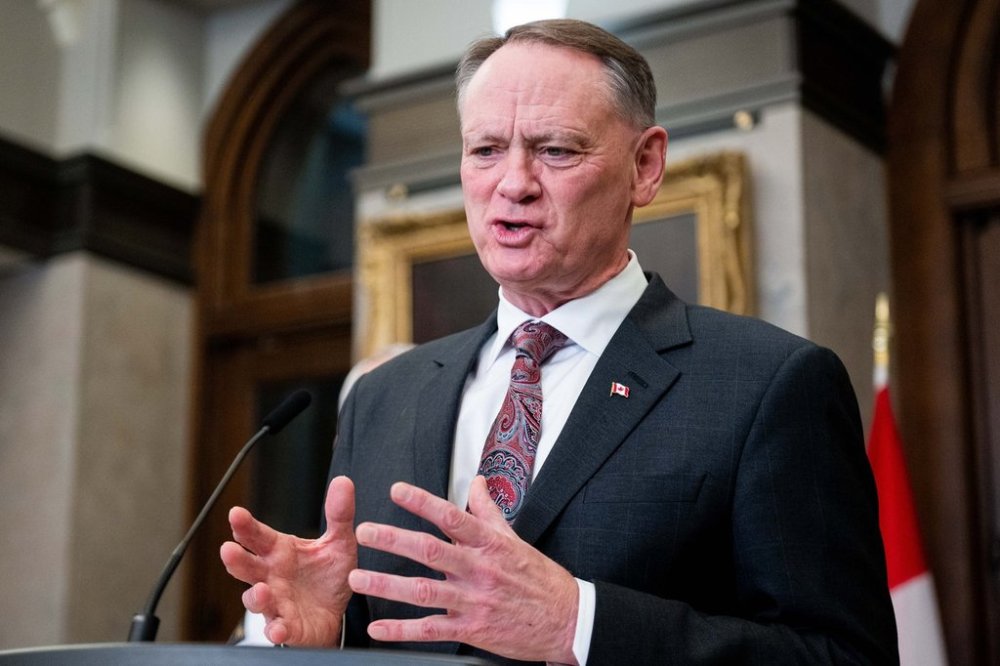
Public Safety Minister David McGuinty said Thursday the newly listed entities are “organized crime groups that spread fear in local populations by using methods of extreme violence, and are known for drug trafficking, human trafficking and trafficking in illegal guns.”
The listing process begins with intelligence reports that indicate whether an organization has knowingly carried out, attempted to carry out, participated in or facilitated a terrorist activity.
If the public safety minister believes that threshold has been met, the minister may recommend to the federal cabinet that the organization be added to the list.
RCMP Commissioner Mike Duheme recently said listing organized crime cartels as terrorist entities to fight fentanyl trafficking would give the Mounties more tools to pursue charges and enforce the law.
Duheme, who attended the announcement Thursday, said the RCMP has intelligence indicating that crime cartels operate in Canada.
“There’s also strong intelligence that Canadians have actually moved to Mexico and South America to facilitate the transport of certain commodities into Canada,” Duheme said.
The United States also announced Thursday it was designating several international cartels — including all seven named by Canada — as terrorist organizations.
McGuinty said Canada and the U.S. “can’t tackle these challenges unless we tackle them together, right?”
“This is part and parcel of our border plan. We’re connected. This is our largest trading partner, our largest neighbour, our largest, most trusted ally over 150-plus years,” he said.
“We can’t wrestle the fentanyl crisis to the ground alone. Neither can the Americans.”
Canada announced a $1.3-billion plan in December to improve security and monitoring at the border. It includes the deployment of new drones and helicopters.
The government subsequently earmarked another $200 million to help intelligence agencies collect more information on organized crime.
It also appointed former senior Mountie Kevin Brosseau as a “fentanyl czar” to work closely with U.S. counterparts and law enforcement agencies.
This report by The Canadian Press was first published Feb. 20, 2025.