

Iranian dissident Masih Alinejad testifies at the trial of two men accused of plotting to kill her
Advertisement
Read this article for free:
or
Already have an account? Log in here »
To continue reading, please subscribe:

Digital Subscription
One year of digital access for only $205*
- Enjoy unlimited reading on winnipegfreepress.com
- Read the E-Edition, our digital replica newspaper
- Access News Break, our award-winning app
- Play interactive puzzles
*First annual payment billed as $205.00 + GST for one year. This annual subscription will automatically renew at $233.00 + GST every 52 weeks (10% off the regular annual price of $259.35). Offer available to new and qualified returning subscribers only. Cancel any time.
To continue reading, please subscribe:
Add Free Press access to your Brandon Sun subscription for only an additional
$1 for the first 4 weeks*
- Enjoy unlimited reading on winnipegfreepress.com
- Read the E-Edition, our digital replica newspaper
- Access News Break, our award-winning app
- Play interactive puzzles
*Your next Brandon Sun subscription payment will increase by $1.00 and you will be charged $17.95 plus GST for four weeks. After four weeks, your payment will increase to $24.95 plus GST every four weeks.
Read unlimited articles for free today:
or
Already have an account? Log in here »
Hey there, time traveller!
This article was published 18/03/2025 (551 days ago), so information in it may no longer be current.
NEW YORK (AP) — A journalist from Iran who prosecutors said was the target of an assassination plot testified Tuesday that Tehran’s campaign to silence her left her feeling broken, but that she responded to every threat by planting a flower at her home in New York.
“That’s why I have a beautiful, massive garden … because I face a lot of curses and threats,” Masih Alinejad told the jury.
The dissident writer testified for more than two hours at the trial of two men charged with trying to kidnap and kill her in 2022. U.S. prosecutors say the murder plot was orchestrated from Iran to stop Alinejad from speaking out about human rights abuses in her home country.
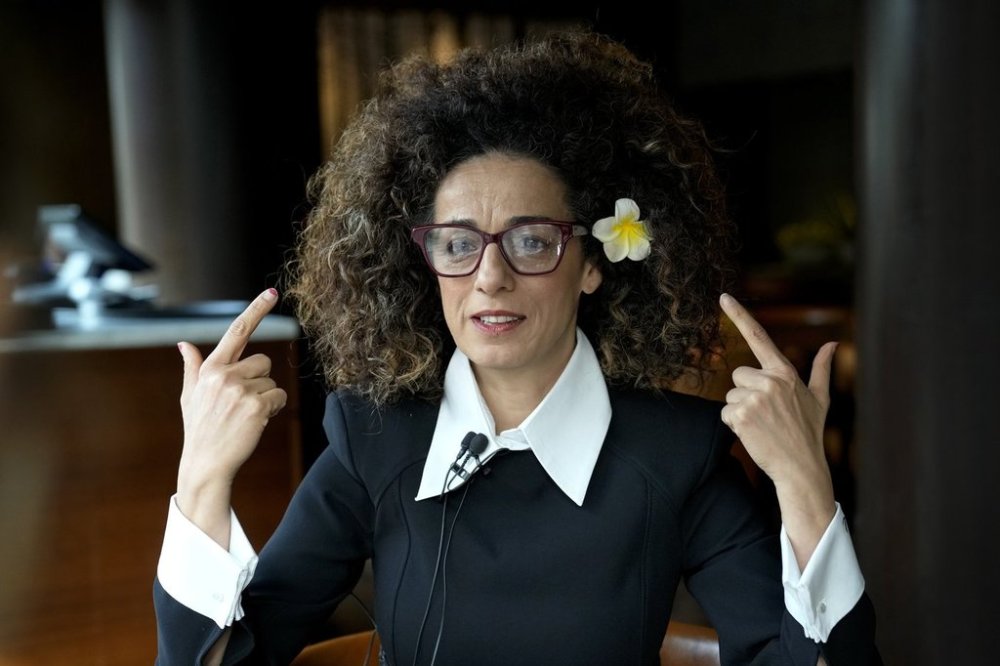
Guided by gentle questioning from Assistant U.S. Attorney Michael Lockard, Alinejad recounted her childhood in Iran and her years as a young journalist trying to cover politics in a country where she frequently clashed with authorities who sought to control the news she produced.
“We don’t have free media in Iran,” she said.
She left Iran in 2009 following the country’s disputed 2009 presidential election and moved to the United States, where she launched online campaigns to encourage women in Iran to pose for pictures and videos showing their hair, in defiance of a religious rule requiring a head scarf.
In Iran, Alinejad said, a cleric had once told her “I’m going to punch on your face if you don’t cover your hair proper.” On the stand, Alinejad appeared with curly, black hair styled in big curls.
Alinejad’s testimony came a week after a former member of the Russian mob testified that he took photographs and videos outside her Brooklyn home after he was hired to assassinate her. Before he could, he was stopped by police for running a stop sign. He was arrested after a loaded AK-47 assault rifle was found in his backseat.
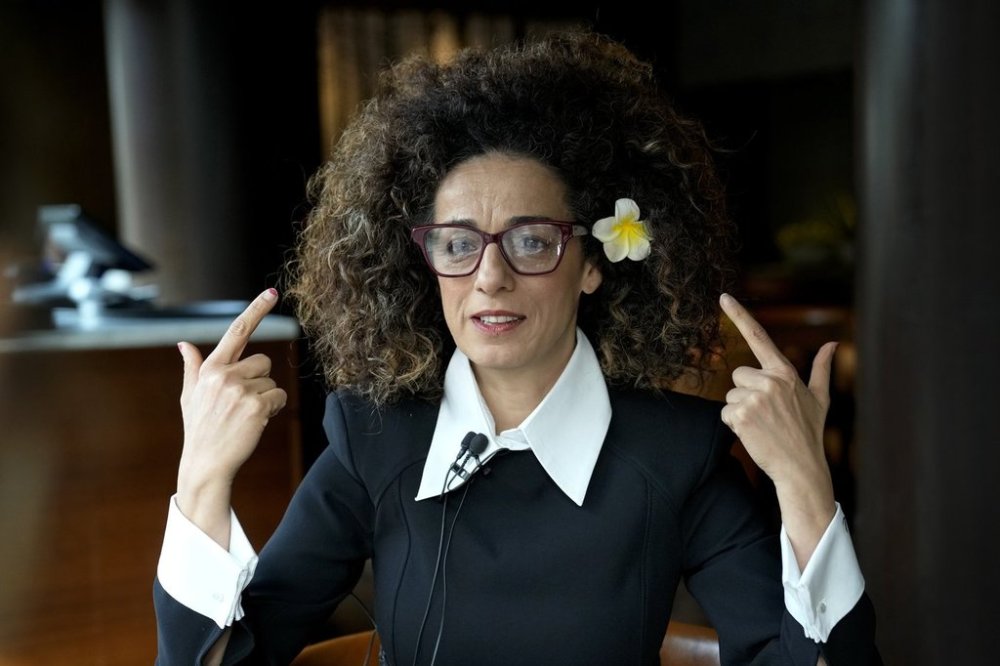
An author and contributor to Voice of America, Alinejad became a U.S. citizen in October 2019. She has traveled the world speaking to women and encouraging others to join her movement for freedom of expression by women, particularly those in Iran.
She said authorities in Iran have consistently tried to derail her messages by calling her a prostitute, a CIA agent or even “an agent” of President Donald Trump.
In 2022, shortly before the FBI moved her out of her home after the assassination plot was discovered, she said the threats and insults had become so severe that she felt “broken a little bit.”
It was then, she testified, that she began planting a flower for every insult and threat made against her.
Her testimony was presented at the trial of Rafat Amirov and Polad Omarov, natives of Azerbaijan, which shares a border and cultural ties with Iran. The men have pleaded not guilty to multiple charges, including murder-for-hire.
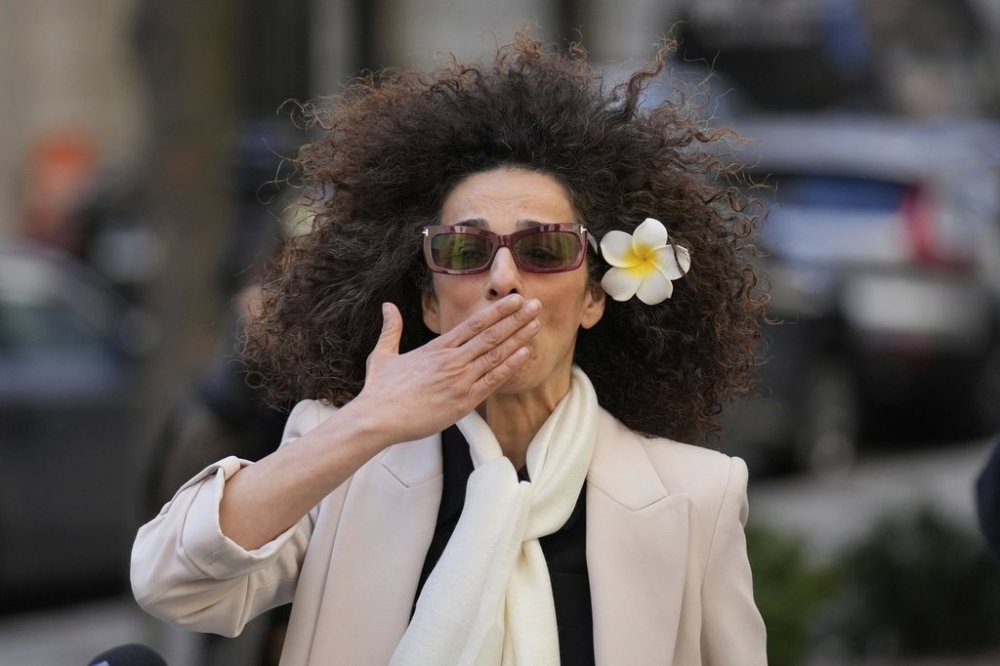
Defense lawyers for Amirov and Omarov have told jurors that prosecutors’ evidence was merely circumstantial and there isn’t enough proof for a conviction.
A judge told jurors Monday that they may start deliberating by the end of this week.