Police test 207 drivers, 97 test positive for cannabis impairment ’Staggering’ results of crackdown near pot stores shows education lacking
Read this article for free:
or
Already have an account? Log in here »
To continue reading, please subscribe:

Digital Subscription
One year of digital access for only $205*
- Enjoy unlimited reading on winnipegfreepress.com
- Read the E-Edition, our digital replica newspaper
- Access News Break, our award-winning app
- Play interactive puzzles
*First annual payment billed as $205.00 + GST for one year. This annual subscription will automatically renew at $233.00 + GST every 52 weeks (10% off the regular annual price of $259.35). Offer available to new and qualified returning subscribers only. Cancel any time.
To continue reading, please subscribe:
Add Free Press access to your Brandon Sun subscription for only an additional
$1 for the first 4 weeks*
- Enjoy unlimited reading on winnipegfreepress.com
- Read the E-Edition, our digital replica newspaper
- Access News Break, our award-winning app
- Play interactive puzzles
*Your next Brandon Sun subscription payment will increase by $1.00 and you will be charged $17.95 plus GST for four weeks. After four weeks, your payment will increase to $24.95 plus GST every four weeks.
Read unlimited articles for free today:
or
Already have an account? Log in here »
Hey there, time traveller!
This article was published 10/04/2025 (494 days ago), so information in it may no longer be current.
Nearly 50 per cent of drivers screened for drugs during a three-month enforcement campaign tested positive for cannabis, sparking concerns “don’t drive high” is a message not getting through to Winnipeggers.
The campaign, run by the Winnipeg Police Service’s traffic division, with funding from the provincial government and help from Manitoba Public Insurance, targeted pot-impaired drivers from January through March.
Phil Hossack / Free Press Files Patrol Sgt. Stephane Fontaine: “We have some catching up to do when it comes to, ‘don’t drive high.’”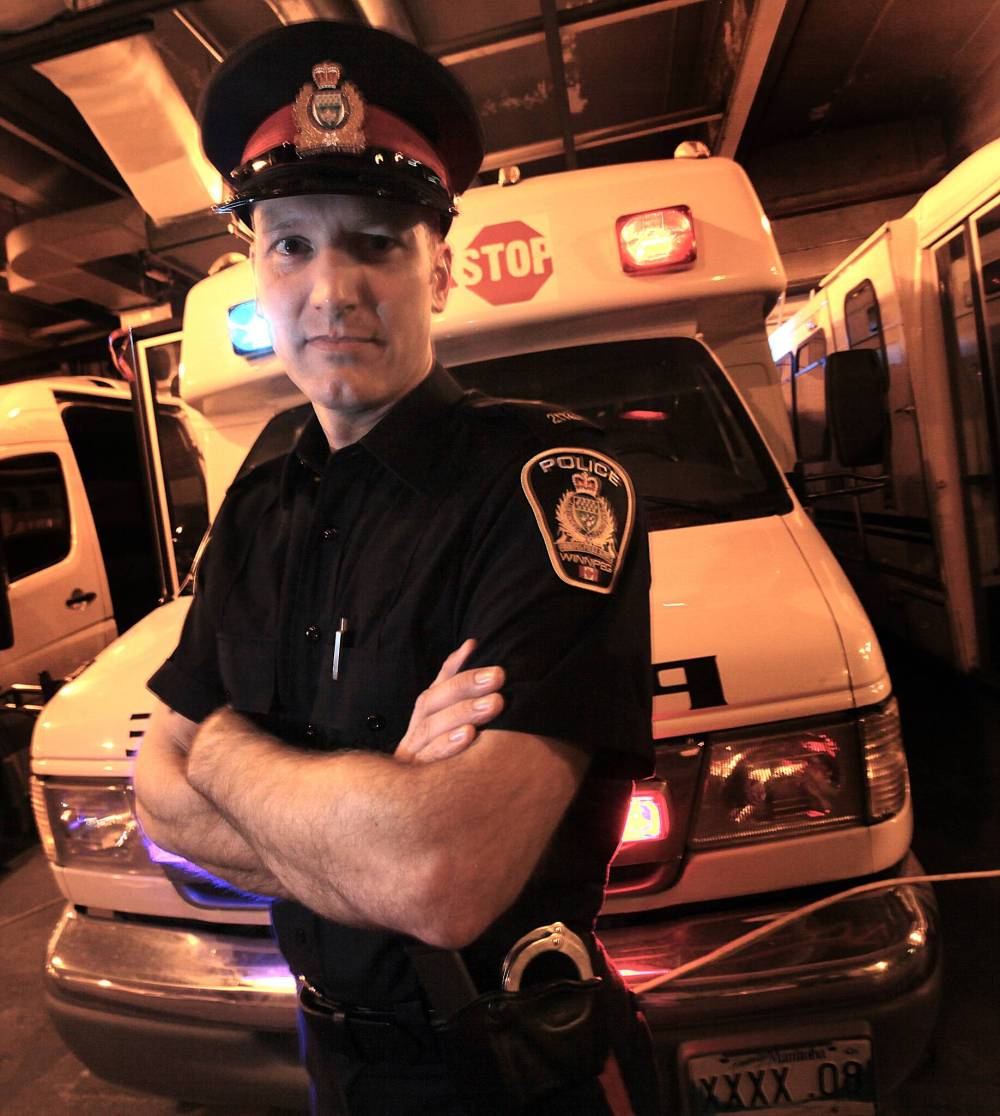
“Unfortunately, the enforcement component is not the end-all-be-all, there has to be that continued awareness campaign,” Patrol Sgt. Stephane Fontaine said Thursday during a news conference at police headquarters that was also attended by the justice minister and chief executive officer of MPI.
Seven years after cannabis was made legal in Canada, education must continue, Fontaine said.
“I think it’s safe to say, at this point, that ‘don’t drink and drive’ is something that was hammered in multiple generations, and everyone at least should know that. We have some catching up to do when it comes to, ‘don’t drive high.’”
Fontaine said officers pulled over 302 vehicles and administered 207 drug-screening tests — 97 of which came back positive.
The drivers who failed received administrative sanctions, including immediate driver’s licence suspensions. One person was charged criminally for refusing a test.
Justice Minister Matt Wiebe agreed cannabis is viewed differently by some.
“For many folks, I think that message of ‘don’t drink and drive’ has finally gotten through and continues to get through, but when it comes to cannabis, there’s a lot of misconceptions about the dangers of driving while under the influence, or just more broadly about exactly the kind of tools law enforcement has, what kind of consequences there are,” he said.
“You just shouldn’t do it. If you’re under the influence, stay off the road.”
“If you are going to choose to consume, whether it’s alcohol or drugs, you really need to make a plan not to drive. That is the safest and easiest solution.”–Patrol Sgt. Stephane Fontaine
Fontaine said during the crackdown, officers also doled out an extra 86 provincial offence act tickets for various violations, like improper storage of cannabis in a vehicle and passengers smoking up while in the car.
Satvir Jatana, MPI’s CEO, called the results “staggering.” The Crown corporation’s data indicates close to one-in-three fatal collisions last year involved alcohol or drug impairment, she added.
Fontaine said it’s difficult to directly compare cannabis to alcohol impairment figures, as police are able to test more people for booze, skewing the numbers.
MIKE DEAL / FREE PRESS FILES Satvir Jatana, CEO of Manitoba Public Insurance says close to one-in-three fatal collisions last year involved alcohol or drug impairment.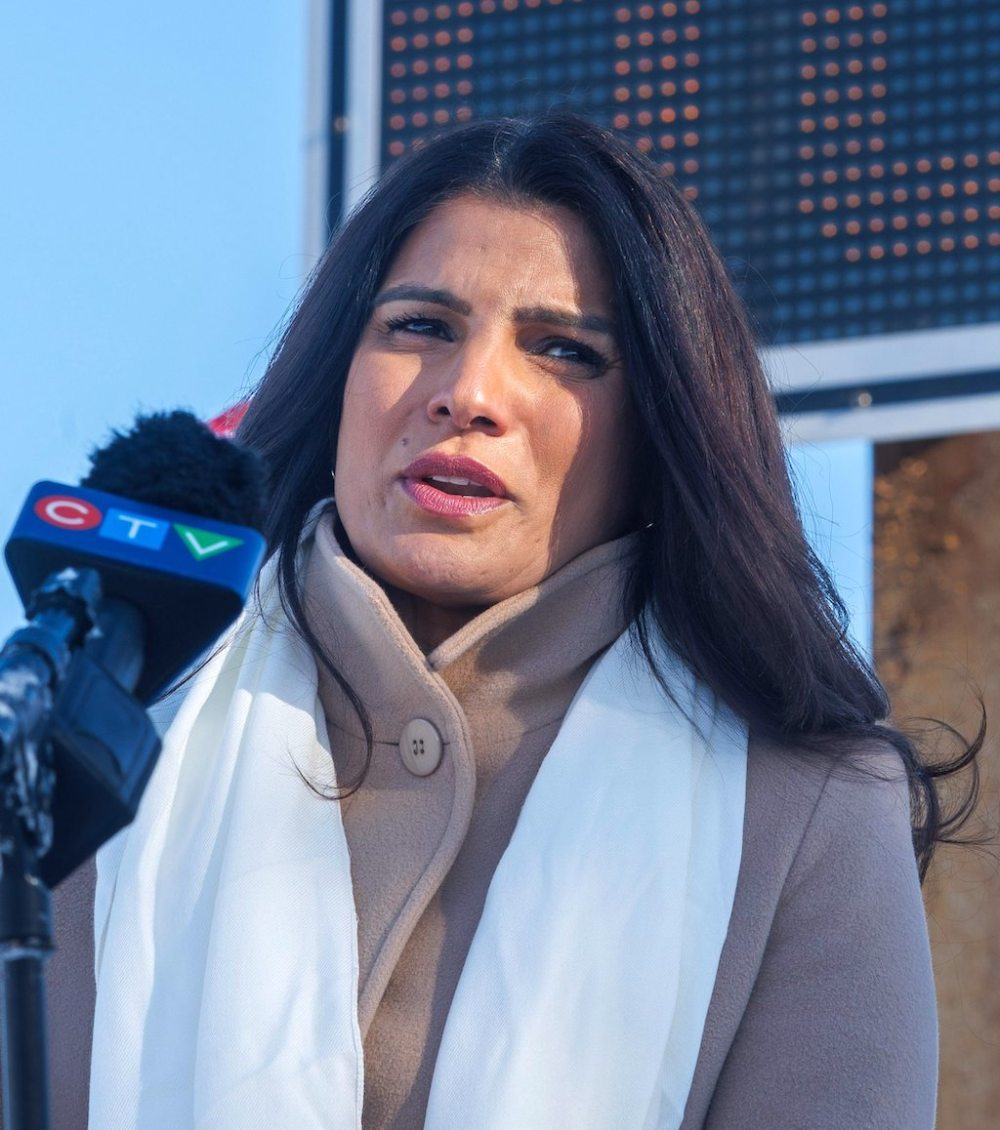
“But if you’re going to compare, we’re finding a lot more people under the influence of cannabis versus finding a lot of people under the influence of alcohol,” he said.
“The numbers are not the same, we have a lot of people getting caught under the influence of alcohol as well, but if you’re looking at a ratio, the cannabis user positive ratio is much higher.”
Alcohol is the leading cause of fatal collisions nationwide, said Fontaine. Cannabis is second.
This year’s numbers are relatively comparable to those of last year’s campaign, Fontaine said.
“It just simply reiterates the importance of our continued efforts on enforcement, education and ultimately the need to continue our attempts to combat impaired driving,” Fontaine said of the similar numbers.
“If you are going to choose to consume, whether it’s alcohol or drugs, you really need to make a plan not to drive. That is the safest and easiest solution.”
The enforcement campaign focused on drivers coming and going from various cannabis stores across the city.
The cannabis-impaired drivers were largely found from 3 p.m. to 6 p.m., a contrast from drunk drivers, who tend to be pulled over at night and in the wee morning hours.
The ages of the people who tested positive ranged across the board.

Some may not be aware police are able to detect and test for stoned driving and lay sanctions and charges, said Fontaine, but that’s far from the truth.
The Canadian Public Health Association has recommended people wait at minimum six hours after smoking cannabis and eight hours after ingesting it before getting behind the wheel, though how impaired one will be depends on a variety of factors, including how much is taken and how often it’s used.
Health Canada has said there’s no standard waiting time to drive after cannabis consumption and recommends no driving at all if using.
Police can test for cannabis impairment through saliva and blood. Blood concentrations over a certain level can result in a criminal charge.
erik.pindera@freepress.mb.ca

Erik Pindera is a reporter for the Free Press, mostly focusing on crime and justice. The born-and-bred Winnipegger attended Red River College Polytechnic, wrote for the community newspaper in Kenora, Ont. and reported on television and radio in Winnipeg before joining the Free Press in 2020. Read more about Erik.
Every piece of reporting Erik produces is reviewed by an editing team before it is posted online or published in print — part of the Free Press‘s tradition, since 1872, of producing reliable independent journalism. Read more about Free Press’s history and mandate, and learn how our newsroom operates.
Our newsroom depends on a growing audience of readers to power our journalism. If you are not a paid reader, please consider becoming a subscriber.
Our newsroom depends on its audience of readers to power our journalism. Thank you for your support.